Delhi Police restrict city center access amid protests on Saturday
October 12, 2026 at 2:22 AM1 min read

AI Summary
Delhi saw significant police activity and restrictions in the city center on Saturday. Authorities restricted access to Connaught Place, blocking almost all traffic and cordoning off the area with barricades. Protests were taking place, leading to the detention and subsequent release of 7,000 people. The police also reportedly restricted movement, broadcasting automated announcements on loudspeakers. Controversy arose when Delhi police personnel were allegedly seen entering the gurdwara premises in Bangla Sahib while some protesters were present.
World View
2 perspectivesUK's perspective
BBC News
Police say they will keep restricting access to the city centre after 7,000 people were detained and released on Saturday.
India's perspective
The HinduScroll.in
A controversy had erupted over Delhi police personnel allegedly entering the gurdwara premises in Delhi on Saturday as some protesters. Protesters played a cat-and-mouse game with the police all day even as thousands were detained.
The Hidden Strings
Patterns visible only when every country's coverage is placed side by side — the connections no single source draws.
Vocabulary
The Tripartite Vocabulary String: Political Siege, Religious Violation, and General Instability
95%
The narrative vocabulary shifts dramatically across the clusters, preventing any single source from defining the event's core conflict. Cluster A frames the action using terms of political control ('put delhi under siege,' 'cat-and-mouse game'), while Cluster B uses highly charged religious language ('slams,' 'taliban-like attitude'). Cluster C, conversely, adopts a detached, security-focused vocabulary ('braces for more protests,' 'restricting access'), suggesting the event is being framed simultaneously as a political struggle, a religious affront, and a general law-and-order issue.
Cluster A: 'put delhi under siege', 'cat-and-mouse game'Cluster B: 'slams', 'taliban-like attitude'Cluster C: 'braces for more protests', 'restricting access'
Timing
The Narrative Escalation Timeline: From Political Control to Religious Outrage to Security Management
90%
The publication timeline suggests a deliberate narrative progression across the three sources. The sequence moves from the political angle (Scroll.in at 05:25, focusing on 'siege'), to the highly charged religious angle (The Hindu at 06:55, focusing on 'slams' and 'taliban-like attitude'), and finally to the general security assessment (BBC News at 07:10, focusing on 'braces for more protests' and 'restricting access'). This staggered release allows different angles to dominate the discourse sequentially.
2026-10-11T05:25 India Scroll.in2026-10-11T06:55 India The Hindu2026-10-11T07:10 UK BBC News
Frame Inversion
The Variable Role of the Police: From State Enforcer to Religious Offender
90%
The police force is the central actor, but its role is framed differently depending on the cluster's focus. In Cluster A, the police are depicted as agents of state overreach and detention. In Cluster B, they are depicted as agents of religious violation, leading to accusations of a 'taliban-like attitude.' This inversion shows that the same institution is being simultaneously blamed for political oppression and religious desecration, depending on the narrative lens applied.
Cluster A: 'put delhi under siege', 'thousands were detained'Cluster B: 'taliban-like attitude', 'slams'Cluster C: 'restricting access', 'cockroach group's leaders released'
How Each Side Framed It
State overreach and political siege
India
Favors the view that the state is using power oppressively.
put delhi under siegecat-and-mouse gamethousands were detained
Violation of religious sanctity by police
India
Strongly favors the protesters and the religious community.
slamstaliban-like attitudesought refuge
Ongoing instability and police restrictions
UK
Favors the narrative of law and order and state control.
braces for more protests'cockroach' grouprestricting access
What Mainstream Coverage Missed
Angles present in the cross-border material that the dominant coverage buried or skipped.
- The event is being framed simultaneously as a political struggle, a religious affront, and a general law-and-order issue, preventing any single source from defining the core conflict.
- The police force is not depicted with a singular role; it is simultaneously framed as an agent of state overreach and an agent of religious violation.
- The narrative is deliberately escalated over time, moving sequentially from a political 'siege' to a highly charged religious outrage, and finally to a general security assessment.
The Beyond the Borders PoV
The Question
The Delhi Police's use of access restrictions and crowd control measures during protests in the city center was necessary to maintain public order.
The Delhi Police's use of access restrictions and crowd control measures during protests in the city center was necessary to maintain public order.
The Delhi Police implemented extensive measures, including blocking almost all traffic to Connaught Place and cordoning off the city center with barricades, to prevent protesters from reaching Jantar Mantar. These actions were taken in response to demonstrations against the Chief Election Commissioner, who protestors allege has rigged voter rolls. Furthermore, the police continued to restrict access to the city center even after thousands of people were detained and released, indicating a sustained effort to manage the volatile public environment.
The police cordoning off the city center with multiple layers of barricades and blocking all traffic was a necessary measure to prevent protesters from reaching Jantar Mantar, a legally designated protest site, thereby maintaining order and preventing potential escalation.
The sustained restriction of access to the city center, even after thousands of people were detained and released, demonstrates the police's commitment to maintaining public order and preventing further unrest in the city center.
The police action was specifically intended to stop demonstrations against the Chief Election Commissioner, whose alleged rigging of voter rolls posed a significant threat to the integrity of the electoral process and required immediate crowd control.
These are AI-generated arguments built from the evidence available across the source material. They do not imply that any publisher endorses either position.
Disclaimer
The summary and perspectives above are AI-generated from the source articles listed below. They may contain errors or omissions. Always verify with the original sources. Beyond the Borders is a news aggregation platform and does not produce original journalism.
How does this story make you feel?
What each source is saying
3 sourcesTheir Angle
Police say they will keep restricting access to the city centre after 7,000 people were detained and released on Saturday.
Article Preview
Police say they will keep restricting access to the city centre after 7,000 people were detained and released on Saturday.
More from india
india
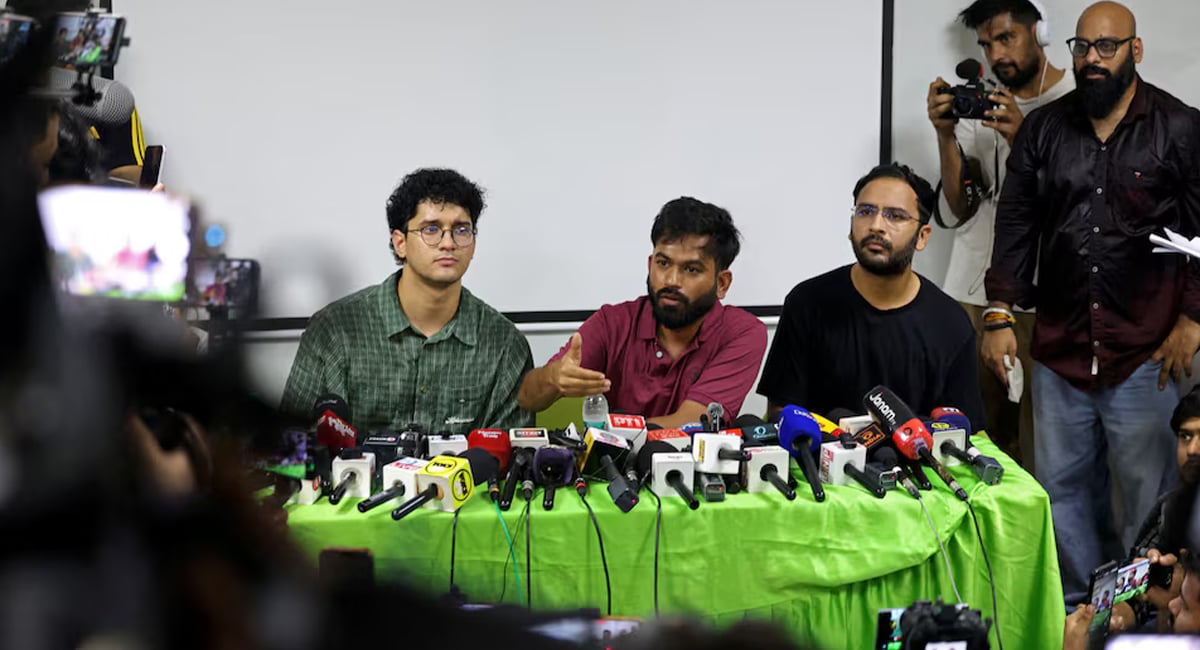
Three CJP Leaders Released After Detention During New Delhi Protests
about 1 hour ago · 2 sources
india
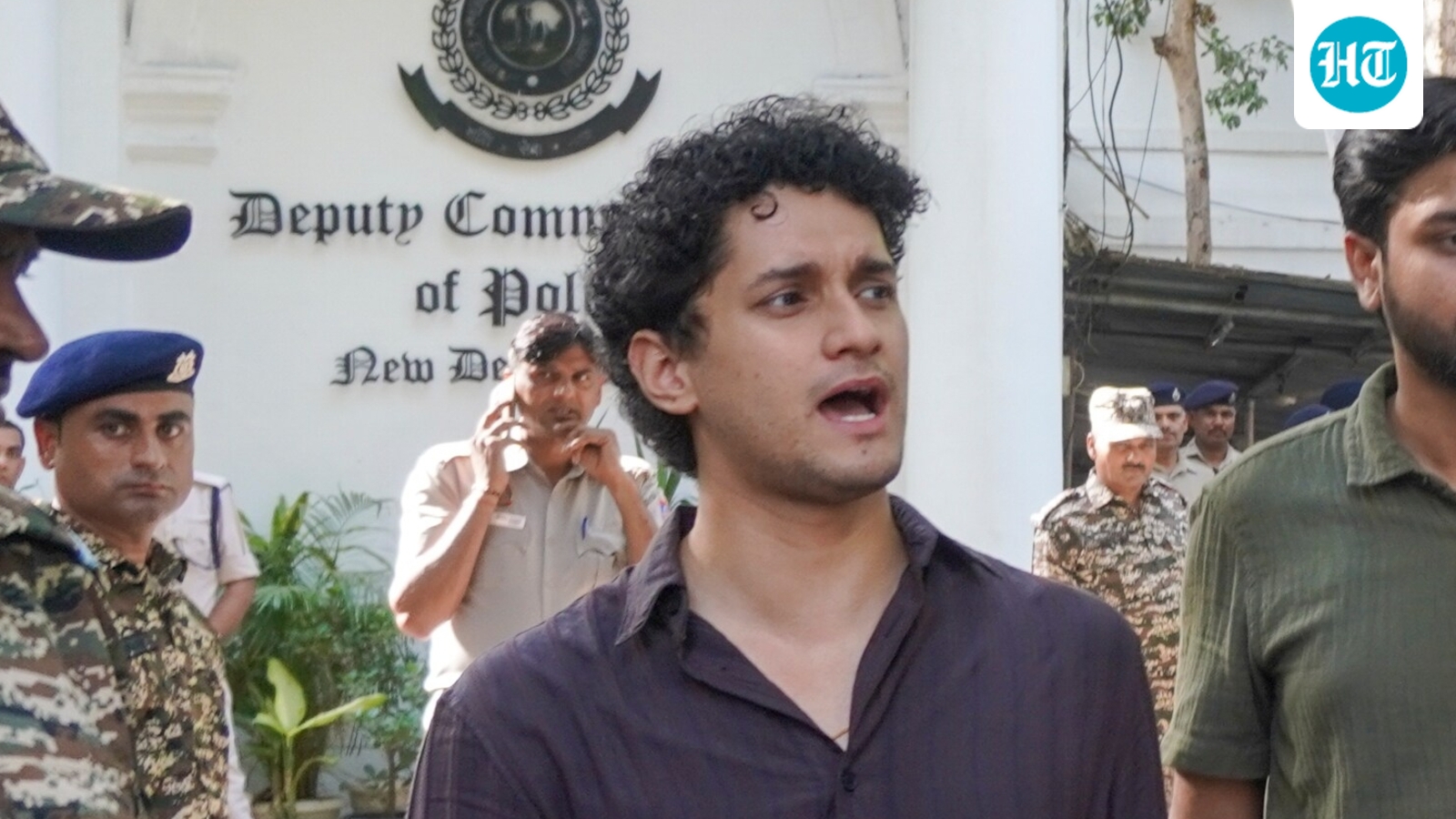
CJP Protest in Delhi Over CEC Gyanesh Kumar Leads to Curbs and Leader Detention
about 1 hour ago · 5 sources
india
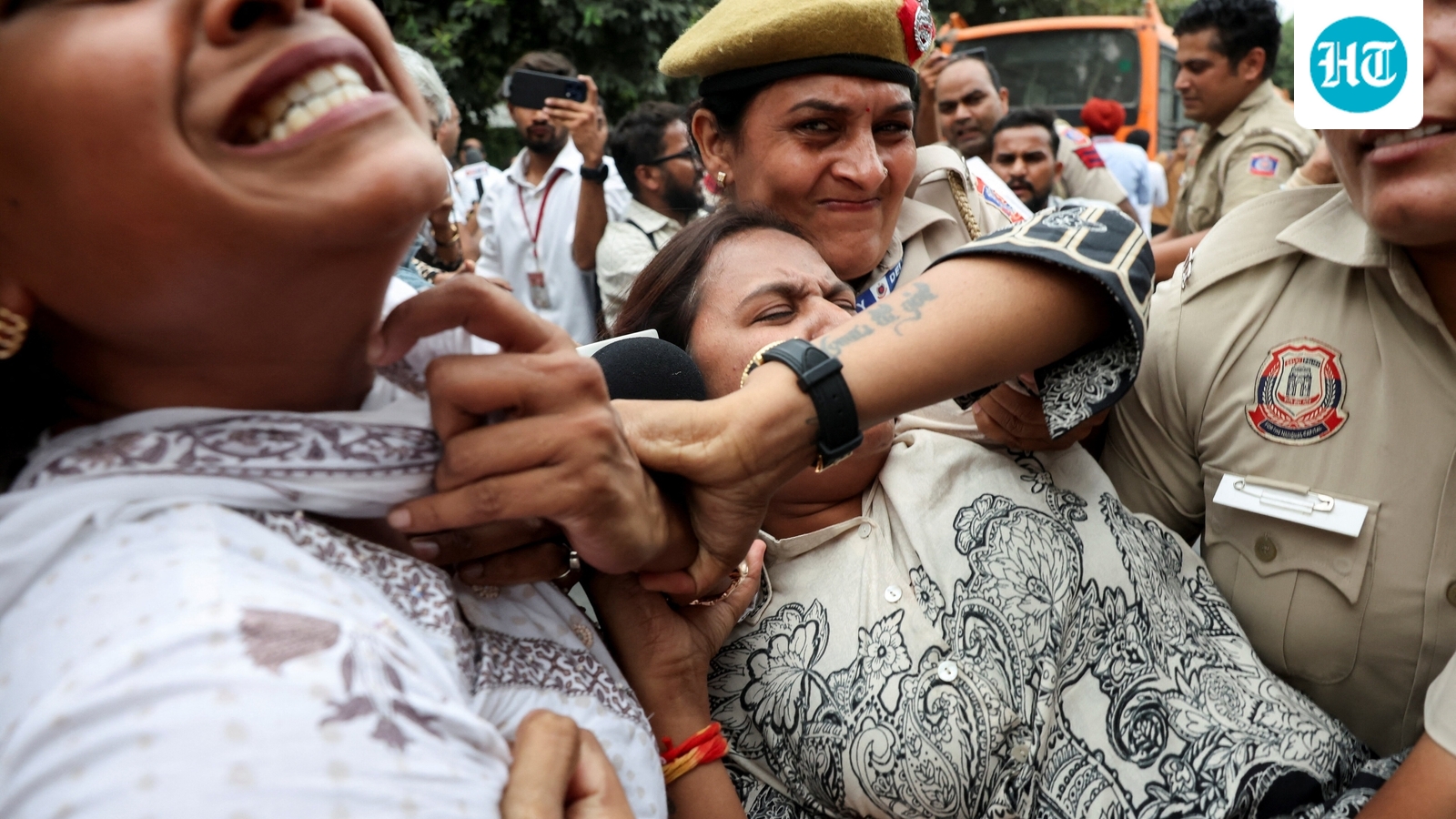
Delhi Police Detain Journalists Amid Protests Despite Supreme Court Orders
about 1 hour ago · 3 sources
Discussion
Leave a comment