UN Security Council Discusses Women, Peace and Security Amid Climate Crisis
June 19, 2026 at 5:36 PM2 min read
AI Summary
The United Nations Security Council convened in New York on Wednesday for its annual open debate focused on the critical theme of women, peace, and security. This meeting aligns with a resolution that has been in place for 25 years, emphasizing the need for women's participation in peace processes. The Secretary-General's latest report highlights a concerning trend, revealing that women constituted only seven percent of negotiators in peace talks globally in 2024. Alarmingly, nearly 90 percent of negotiation tracks did not include any women negotiators at all. This lack of representation raises significant questions about the inclusivity and effectiveness of peace negotiations worldwide. Concurrently, the coastal community of Cedeño in Honduras is grappling with a human rights crisis exacerbated by climate change, including rising sea levels and coastal erosion. Amnesty International's recent report sheds light on the plight of this community, which faces displacement and a lack of adequate state response. The intersection of these two issues underscores the urgent need for comprehensive strategies that address both gender equality and climate resilience.
World View
1 perspectiveInternational's perspective
The UN Security Council's open debate on women, peace, and security serves as a crucial platform for addressing the persistent underrepresentation of women in peace negotiations. The stark statistics presented in the Secretary-General's report reveal a systemic issue that undermines the potential for sustainable peace. With only seven percent of negotiators being women, the implications for conflict resolution and post-conflict reconstruction are profound. The absence of women in negotiation processes not only limits diverse perspectives but also hinders the integration of gender-sensitive approaches that are essential for lasting peace. This year's debate is particularly timely as it coincides with growing global awareness of the impacts of climate change, as highlighted by the situation in Cedeño, Honduras. The community's struggle against climate-induced displacement illustrates the interconnectedness of gender issues and environmental challenges. As the international community grapples with these dual crises, the need for inclusive policies that empower women and address climate resilience becomes increasingly urgent.
Analysis
The perspectives from the UN Security Council and Amnesty International highlight the critical intersection of gender equality and climate change. While the UN focuses on the lack of women's representation in peace negotiations, Amnesty International draws attention to the human rights implications of climate displacement. Both issues underscore the necessity for inclusive approaches that consider the voices of marginalized communities, particularly women. The geopolitical implications are significant, as nations must recognize that sustainable peace and security cannot be achieved without addressing the challenges posed by climate change and ensuring women's active participation in decision-making processes.
The Hidden Strings
Patterns visible only when every country's coverage is placed side by side — the connections no single source draws.
Vocabulary
Climate vs Security Vocabulary
80%
The use of 'climate' and its related terms ('change', 'relocate', 'disappear') in the Climate change impact cluster contrasts with their absence or different usage in the UN-led initiative cluster. This reveals a framing difference between the two narratives, where climate is a central concern for human rights organizations but not explicitly mentioned by the UN. The contrast highlights the distinct perspectives on security and peace presented by these clusters.
Climate change impact: 'climate', 'change', 'relocate', 'disappear' (2026-06-17T06:02); UN-led initiative: no explicit mention of climate or its related terms
Silence
Honduras Mention in UN-led Initiative Cluster
70%
The source Amnesty International mentions Honduras in the Climate change impact cluster, while the UN News article on the same event does not. This omission suggests that the UN-led initiative cluster may be downplaying or avoiding discussion of specific country cases related to climate change and human rights.
Amnesty International: Honduras (2026-06-17T06:02); UN News: no mention of Honduras
How Each Side Framed It
UN-led initiative
International
The UN is advocating for women's participation in peace negotiations.
peacesecuritywomen
Climate change impact
International
The government is failing to protect its citizens from climate change impacts.
climatechangehuman rights
What Mainstream Coverage Missed
Angles present in the cross-border material that the dominant coverage buried or skipped.
- The UN Security Council's discussion of women in peace negotiations was largely framed as a human rights issue, neglecting its connection to broader security concerns.
- The lack of representation of women in peace talks was not explicitly linked to the climate crisis or its impact on Honduras
The Beyond the Borders PoV
The UN's framing of women in peace negotiations as a standalone issue obscures its entanglement with climate change and security concerns worldwide.
This omission reveals a power dynamic where human rights organizations like Amnesty International are left to sound the alarm on climate-related crises, while the UN prioritizes a more palatable narrative. The silence is consistent with the incentives of governments and institutions seeking to downplay the intersectionality of these issues.
This is our editorial interpretation of the cross-source evidence above, not a report of established fact. The sourced coverage it draws on is listed below.
Disclaimer
The summary and perspectives above are AI-generated from the source articles listed below. They may contain errors or omissions. Always verify with the original sources. Beyond the Borders is a news aggregation platform and does not produce original journalism.
How does this story make you feel?
What each source is saying
2 sourcesTheir Angle
The UN Security Council's debate emphasizes the low representation of women in peace negotiations, highlighting a systemic issue that affects global peace efforts.
Article Preview
The UN Security Council met in New York Wednesday for its annual open debate on women, peace and security, in line with a 25-year-old resolution. The Secretary-General’s most recent report on the issue shows that in 2024, women made up only seven percent of negotiators on average worldwide, and nearly nine out of 10 negotiation tracks included no women negotiators at all. Follow live coverage below, and for daily coverage, check out our full meetings coverage here.
More from world
world
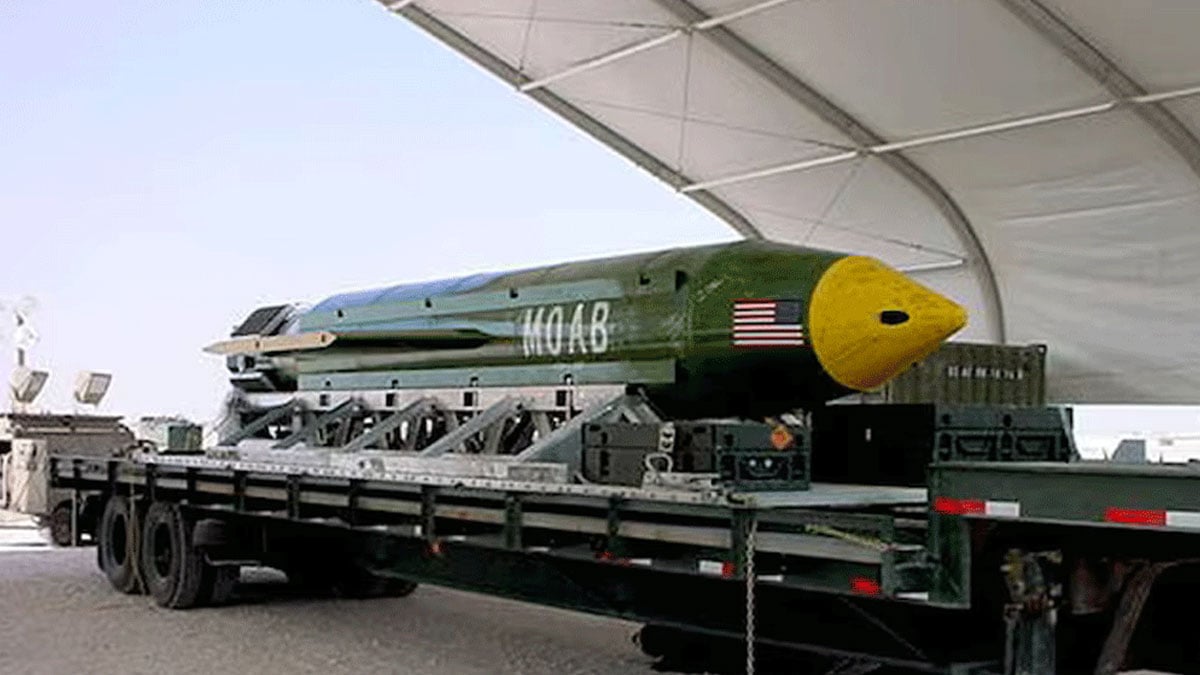
US Considering Use of 'Mother of All Bombs' Against Iranian Infrastructure
about 2 hours ago · 2 sources

world
Global Village Reopens for 31st Season with New Attractions and Cultural Pavilions
about 2 hours ago · 2 sources

world
Russia detains Novaya Gazeta editor Sergei Sokolov in Moscow
about 2 hours ago · 2 sources
PreviousworldUN Security Council Discusses Women, Peace and Security Amid Climate CrisisNextworldEbola Treatment Expands in DRC Amid Community Mistrust
Discussion
Leave a comment