worldCovered by 2 Sources
Ebola Treatment Expands in DRC Amid Community Mistrust
June 19, 2026 at 5:36 PM2 min read
AI Summary
In the eastern region of the Democratic Republic of the Congo (DRC), the World Health Organization (WHO) has announced an expansion of treatment capacity for the Bundibugyo strain of Ebola. This development comes in response to an ongoing outbreak that has raised significant public health concerns. The WHO's new guidelines aim to enhance the response to the outbreak, which has been complicated by a pervasive sense of mistrust within local communities. This mistrust poses a significant barrier to effective treatment and containment efforts. The WHO emphasizes the importance of community engagement and education to combat misinformation and encourage individuals to seek medical assistance. As the outbreak continues, health officials are working tirelessly to ensure that adequate resources and support are available to those affected. The situation remains critical, and the international community is closely monitoring developments in the region to provide necessary assistance and support to local health authorities.
World View
1 perspectiveInternational's perspective
The international community is increasingly concerned about the ongoing Ebola outbreak in the DRC, particularly given the challenges posed by community mistrust. The WHO's efforts to expand treatment capacity are crucial in addressing the health crisis, but they must also focus on building trust with local populations. Reports indicate that misinformation and fear have led to reluctance among residents to seek treatment, which could exacerbate the outbreak. Health officials are now prioritizing outreach programs aimed at educating communities about the disease and the importance of seeking timely medical care. The situation highlights the need for a multifaceted approach that combines medical intervention with community engagement. As the WHO implements its new guidelines, the effectiveness of these strategies will be closely observed. The DRC's experience with Ebola serves as a reminder of the complexities involved in managing infectious disease outbreaks, especially in regions where historical grievances and distrust of authorities persist.
Analysis
The perspectives presented highlight the dual challenges of expanding medical treatment and addressing community mistrust in the DRC. While the WHO's initiatives focus on increasing treatment capacity, the underlying issue of public skepticism complicates these efforts. The geopolitical implications are significant, as the international community must balance immediate health responses with long-term strategies to foster trust and cooperation among local populations. This situation underscores the importance of integrating health interventions with community engagement to effectively combat outbreaks.
The Hidden Strings
Patterns visible only when every country's coverage is placed side by side — the connections no single source draws.
Silence
Silwan and East Jerusalem
90%
The Israeli-Palestinian conflict escalation narrative mentions 'Silwan' and 'East Jerusalem', while the global health crisis management narrative does not. This omission suggests that these locations are significant to one narrative but not the other.
Human Rights Watch: East Jerusalem: Israel Escalating Home Demolitions, Evictions; Ebola treatment capacity expands in DR Congo as WHO issues new guidelines
Vocabulary
Community Mistrust and Global Health
80%
The use of 'community mistrust' in the context of Ebola treatment expansion is absent in the Israeli-Palestinian conflict escalation narrative, while 'expansion' is used to describe a global health initiative. This contrast highlights the differing tones and emphases applied to similar concepts across two distinct narratives.
Global health crisis management: community mistrust; Ebola treatment capacity expands in DR Congo as WHO issues new guidelines
How Each Side Framed It
Global health crisis management
International
WHO's perspective, emphasizing challenges
expansionguidelinescommunity mistrust
Israeli-Palestinian conflict escalation
International
Criticism of Israeli actions, emphasizing Palestinian suffering
demolitionsevictionsescalating
What Mainstream Coverage Missed
Angles present in the cross-border material that the dominant coverage buried or skipped.
- The WHO's expansion of Ebola treatment capacity in DRC is framed as a global health crisis management effort, omitting the role of Israeli-Palestinian conflict escalation in shaping local mistrust.
- The international community's focus on building trust with local populations ignores the power dynamics at play between governments and institutions.
The Beyond the Borders PoV
Mainstream coverage of the Ebola outbreak in DRC is shaped by a narrow framing that neglects the role of Israeli-Palestinian conflict escalation in exacerbating community mistrust.
This omission reveals a power imbalance where institutional interests take precedence over local concerns, perpetuating a cycle of mistrust and hindering effective treatment efforts. The WHO's efforts to expand treatment capacity are crucial, but they must also address the underlying causes of mistrust, including the Israeli-Palestinian conflict.
This is our editorial interpretation of the cross-source evidence above, not a report of established fact. The sourced coverage it draws on is listed below.
Disclaimer
The summary and perspectives above are AI-generated from the source articles listed below. They may contain errors or omissions. Always verify with the original sources. Beyond the Borders is a news aggregation platform and does not produce original journalism.
How does this story make you feel?
What each source is saying
2 sourcesTheir Angle
The UN News article discusses the expansion of Ebola treatment capacity in the DRC and emphasizes the challenge of community mistrust in combating the outbreak.
Article Preview
Treatment capacity for the rare and deadly Bundibugyo species of Ebola is expanding in eastern Democratic Republic of the Congo (DRC), as the World Health Organization (WHO) warns that community mistrust remains a major challenge to ending the outbreak.
More from world
world
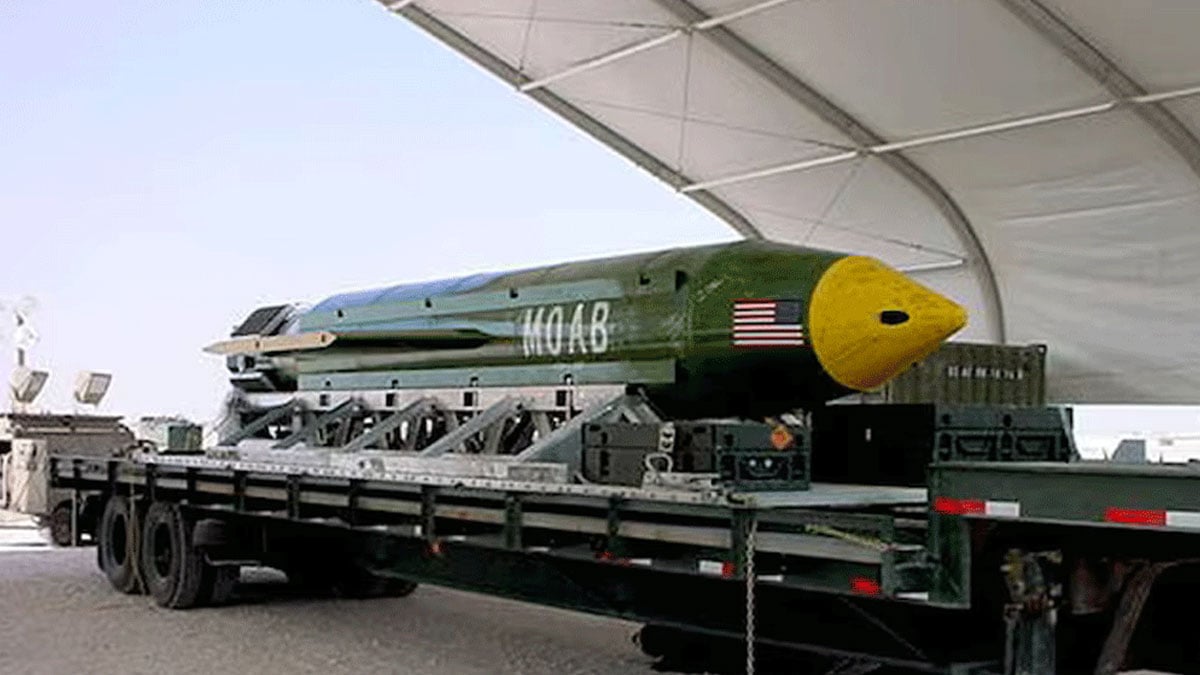
US Considering Use of 'Mother of All Bombs' Against Iranian Infrastructure
about 1 hour ago · 2 sources

world
Global Village Reopens for 31st Season with New Attractions and Cultural Pavilions
about 1 hour ago · 2 sources

world
Russia detains Novaya Gazeta editor Sergei Sokolov in Moscow
about 1 hour ago · 2 sources
PreviousworldUN Security Council Discusses Women, Peace and Security Amid Climate CrisisNextworldIran and Tajikistan Presidents Discuss Enhanced Bilateral Cooperation
Discussion
Leave a comment