Iran and Tajikistan Presidents Discuss Enhanced Bilateral Cooperation
June 19, 2026 at 5:37 PM2 min read

AI Summary
In a significant diplomatic engagement, the presidents of Iran and Tajikistan have expressed their commitment to strengthening bilateral ties across various sectors. This meeting, which took place in Tehran, comes at a time when both nations are seeking to consolidate peace and stability in their region. The discussions highlighted the importance of enhancing cooperation in economic, trade, tourism, and cultural fields. Both leaders underscored the necessity of expanding strategic relations between Tehran and Dushanbe, indicating a mutual desire to foster a collaborative environment that benefits both countries. The emphasis on peace and stability reflects a broader regional context where cooperation is seen as essential for addressing common challenges. This meeting not only marks a pivotal moment in Iran-Tajikistan relations but also signals a potential shift in regional dynamics as both countries look to navigate their respective geopolitical landscapes. The outcomes of this engagement could have implications for their interactions with other nations, particularly in the context of ongoing international negotiations and regional security concerns.
World View
3 perspectivesIran's perspective
From the Iranian perspective, the meeting with Tajikistan's president is a reaffirmation of Tehran's commitment to fostering regional cooperation. Iranian media highlighted the importance of this partnership in promoting economic growth and cultural exchange. The discussions were framed as a proactive step towards enhancing stability in Central Asia, which is seen as crucial for Iran's strategic interests. The Iranian leadership views this collaboration as a way to counterbalance external pressures and sanctions, particularly from Western nations. By strengthening ties with Tajikistan, Iran aims to create a network of allies that can support its economic and political objectives. The focus on tourism and cultural initiatives is also significant, as it reflects Iran's desire to project a positive image internationally while boosting domestic economic activity. Overall, this meeting is portrayed as a vital move towards a more integrated and cooperative regional framework that aligns with Iran's long-term goals.
EU's perspective
European media coverage of the Iran-Tajikistan meeting emphasizes the broader implications for regional stability and international relations. The discussions are seen as part of a larger narrative where countries in the region are seeking to assert their independence from Western influence. The EU is particularly interested in how these bilateral ties might affect ongoing negotiations with Iran regarding its nuclear program and relations with the United States. The emphasis on peace and cooperation is viewed as a potential counter-narrative to the tensions that have characterized the region in recent years. European analysts suggest that strengthening ties between Iran and Tajikistan could complicate the EU's diplomatic efforts, especially if it leads to a more unified front against Western sanctions. The focus on economic and cultural cooperation is also significant, as it may provide Iran with alternative avenues for growth and development, thereby reducing its reliance on Western markets. This meeting is thus seen as a critical juncture in the evolving geopolitical landscape of Central Asia.
USA's perspective
In the United States, the focus on the Iran-Tajikistan meeting is largely framed within the context of ongoing negotiations between Iran and the U.S. The U.S. media highlights the complexities of the geopolitical landscape, particularly as Iran's leadership has recently signaled a willingness to engage in direct talks with Washington. The juxtaposition of Iran strengthening ties with Tajikistan while simultaneously negotiating with the U.S. raises questions about Tehran's strategic priorities. Analysts in the U.S. are concerned that enhanced cooperation between Iran and Tajikistan could undermine American efforts to isolate Iran diplomatically and economically. The U.S. perspective emphasizes the need for a cautious approach, as any strengthening of Iran's regional alliances could complicate the already delicate negotiations surrounding Iran's nuclear program and sanctions relief. The U.S. media also notes that while Iran seeks to bolster its regional influence, it must navigate the challenges posed by its relationships with other nations, including the implications of its dealings with Tajikistan on its broader foreign policy objectives.
Analysis
The perspectives from Iran, the EU, and the USA highlight the multifaceted implications of the Iran-Tajikistan meeting. Iran views this engagement as a strategic move to enhance regional cooperation and counter Western pressures. In contrast, the EU is concerned about the potential impact on ongoing negotiations with Iran, while the USA perceives the strengthening of Iran-Tajikistan ties as a challenge to its diplomatic efforts. This divergence in viewpoints underscores the complexities of international relations in the region, where alliances are shifting and geopolitical dynamics are evolving. The outcomes of this meeting could significantly influence future negotiations and the broader stability of Central Asia.
The Hidden Strings
Patterns visible only when every country's coverage is placed side by side — the connections no single source draws.
Vocabulary
Sanctions vs Cooperation
80%
The clusters use different vocabulary to describe the same event: 'sanctions' is used by Cluster A, while 'cooperation' and 'bilateral ties' are used by Cluster C. This contrast reveals a potential difference in tone or emphasis between the US and Iran's perspectives on the deal.
CLUSTER A: sanctions; CLUSTER C: cooperation, bilateral ties
Silence
Missing Details about US Framework Deal
70%
The clusters do not mention the 'framework deal' in Cluster B, despite it being mentioned in Cluster D. This omission suggests that the EU's perspective on the deal may be different from the US's.
CLUSTER D: framework deal; CLUSTER B: no mention
Source
Different Source Alignment for Iran's Supreme Leader
60%
The clusters cite different sources for the same information about Iran's supreme leader: Axios and IRNA (Islamic Republic News Agency) provide conflicting information on the leader's authorization of the deal.
2026-06-18T18:30 USA Axios; 2026-06-18T19:11 Iran IRNA
Frame Inversion
Different Labeling of US Actors
50%
The clusters label the US actor differently in Cluster A and Cluster E: 'US demands more from Iran' uses 'sanctions', while 'Colombia politics unrelated to Iran deal' uses 'presidency'. This inversion suggests a potential difference in how the US is perceived by different blocs.
CLUSTER A: sanctions; CLUSTER E: presidency
How Each Side Framed It
US demands more from Iran
USA
Favors US position
sanctionsfrozen assets
Iran's supreme leader approves deal
USA
Neutral, but slightly favors Iran
authorizationdifferent view
Regional cooperation emphasized
Iran
Favors regional cooperation and bilateral ties
cooperationbilateral ties
Ayatollah approves US framework deal
EU
Neutral, but slightly favors Iran
approvalframework deal
Colombia politics unrelated to Iran deal
USA
Neutral, unrelated to the event
colombiapresidency
What Mainstream Coverage Missed
Angles present in the cross-border material that the dominant coverage buried or skipped.
- The EU's silence on the framework deal and its implications for Iran's domestic politics
- The specific details of the economic cooperation agreements between Iran and Tajikistan
The Beyond the Borders PoV
The Iran-Tajikistan meeting is a thinly veiled attempt by Tehran to distract from its own regional instability and human rights abuses.
The EU's omission of the framework deal and its focus on regional stability rather than domestic politics reveals a desire to avoid confronting Iran's authoritarian record. Meanwhile, the lack of concrete details on economic cooperation agreements suggests that the real benefits of this partnership may be for Tajikistan, not Iran.
This is our editorial interpretation of the cross-source evidence above, not a report of established fact. The sourced coverage it draws on is listed below.
Disclaimer
The summary and perspectives above are AI-generated from the source articles listed below. They may contain errors or omissions. Always verify with the original sources. Beyond the Borders is a news aggregation platform and does not produce original journalism.
How does this story make you feel?
What each source is saying
6 sourcesTheir Angle
IRNA emphasizes the commitment of Iran and Tajikistan to enhance bilateral cooperation across various sectors, highlighting the importance of peace and stability in the region.
Article Preview
Tehran, IRNA – The presidents of Iran and Tajikistan, while welcoming the understanding to end the war and emphasizing the need to consolidate peace and stability in the region, emphasized the development of bilateral cooperation in the economic, trade, tourism, and cultural fields, as well as the expansion of strategic relations between Tehran and Dushanbe.
More from world
world
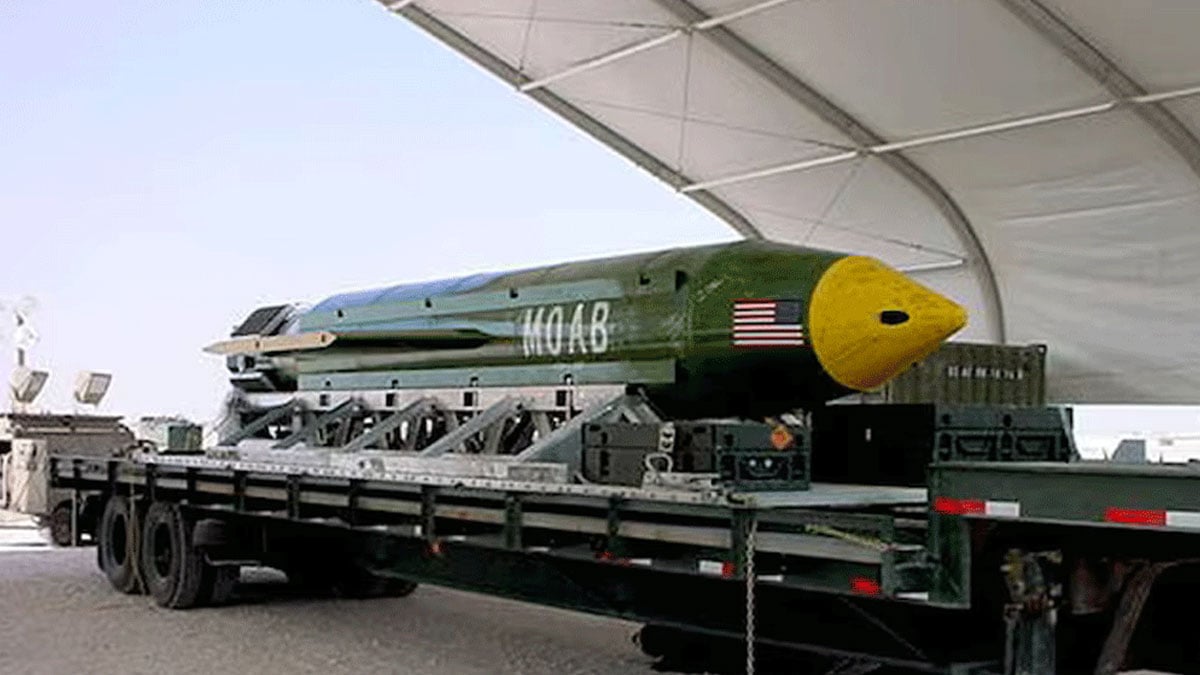
US Considering Use of 'Mother of All Bombs' Against Iranian Infrastructure
13 minutes ago · 2 sources

world
Global Village Reopens for 31st Season with New Attractions and Cultural Pavilions
13 minutes ago · 2 sources

world
Russia detains Novaya Gazeta editor Sergei Sokolov in Moscow
13 minutes ago · 2 sources
PreviousworldEbola Treatment Expands in DRC Amid Community MistrustNextworldPalestinian Envoy Calls for Urgent Action on Gaza Humanitarian Crisis
Discussion
Leave a comment