UN Security Council Discusses Women, Peace and Security Amid Climate Crisis
June 19, 2026 at 5:36 PM2 min read
AI Summary
The United Nations Security Council convened in New York on Wednesday for its annual open debate focused on the critical theme of women, peace, and security. This meeting aligns with a resolution that has been in place for 25 years, emphasizing the importance of women's participation in peace processes. The Secretary-General's latest report highlights a concerning trend, revealing that in 2024, women constituted only seven percent of negotiators in peace negotiations globally. Alarmingly, nearly 90 percent of negotiation tracks did not include any women negotiators at all. This lack of representation raises significant questions about the inclusivity and effectiveness of peace processes worldwide. Concurrently, the coastal community of Cedeño in Honduras is grappling with a human rights crisis exacerbated by climate change. Rising sea levels and coastal erosion threaten the community's existence, prompting calls for urgent state intervention. Amnesty International's recent report sheds light on the plight of Cedeño, emphasizing the need for relocation and support for those affected by climate displacement.
World View
1 perspectiveInternational's perspective
The UN Security Council's open debate on women, peace, and security underscores the persistent gender disparities in peace negotiations. Despite the 25-year history of the resolution advocating for women's involvement, the statistics presented by the Secretary-General reveal a stark reality. With only seven percent of negotiators being women, the implications for peace processes are profound. The absence of female voices in negotiations not only undermines the legitimacy of the outcomes but also perpetuates cycles of conflict and instability. This situation calls for immediate action from member states to ensure that women's perspectives and experiences are integrated into peacebuilding efforts. On a different front, the crisis in Cedeño, Honduras, highlights the intersection of climate change and human rights. The community faces existential threats due to environmental degradation, and the lack of adequate state response exacerbates their vulnerability. Amnesty International's report emphasizes the urgent need for relocation strategies and comprehensive support for climate-displaced populations, illustrating the broader implications of climate change on human rights and security.
Analysis
The perspectives from the UN Security Council and Amnesty International highlight two critical global issues: gender inequality in peace processes and the human rights impacts of climate change. Both situations reflect systemic failures that require urgent attention from the international community. The lack of women's representation in peace negotiations not only hinders effective conflict resolution but also perpetuates gender-based inequalities. Meanwhile, the plight of Cedeño illustrates how climate change disproportionately affects vulnerable communities, necessitating a coordinated response that includes human rights considerations. Together, these issues underscore the interconnectedness of gender, peace, and environmental sustainability in shaping a more equitable global future.
The Hidden Strings
Patterns visible only when every country's coverage is placed side by side — the connections no single source draws.
Vocabulary
Security vs Displacement
80%
The UN-led initiative focuses on 'security', while the Climate change victim bloc emphasizes 'displacement' and 'relocate'. This contrast reveals a differing emphasis on the consequences of climate change. The use of these terms highlights the distinct narratives surrounding women, peace, and security in the context of climate crisis.
CLUSTER A: 'security'; CLUSTER B: 'relocate'
Silence
Missing Context on Climate Change Impact
70%
The UN-led initiative does not mention the impact of climate change on women, peace, and security, while the Climate change victim bloc provides specific details about erosion and disappearance. This omission highlights a lack of consideration for the intersectionality of these issues.
CLUSTER A: no mention; CLUSTER B: 'erosion', 'disappearance'
How Each Side Framed It
UN-led initiative
International
The UN is advocating for women's participation in peace negotiations.
womenpeacesecurity
Climate change victim
International
The community is being harmed by climate change, and the state is failing to respond.
climate changeerosiondisappearance
Disclaimer
The summary and perspectives above are AI-generated from the source articles listed below. They may contain errors or omissions. Always verify with the original sources. Beyond the Borders is a news aggregation platform and does not produce original journalism.
How does this story make you feel?
What each source is saying
2 sourcesTheir Angle
The UN Security Council's open debate reveals alarming statistics about women's participation in peace negotiations, emphasizing the need for greater inclusivity.
Article Preview
The UN Security Council met in New York Wednesday for its annual open debate on women, peace and security, in line with a 25-year-old resolution. The Secretary-General’s most recent report on the issue shows that in 2024, women made up only seven percent of negotiators on average worldwide, and nearly nine out of 10 negotiation tracks included no women negotiators at all. Follow live coverage below, and for daily coverage, check out our full meetings coverage here.
More from world
world
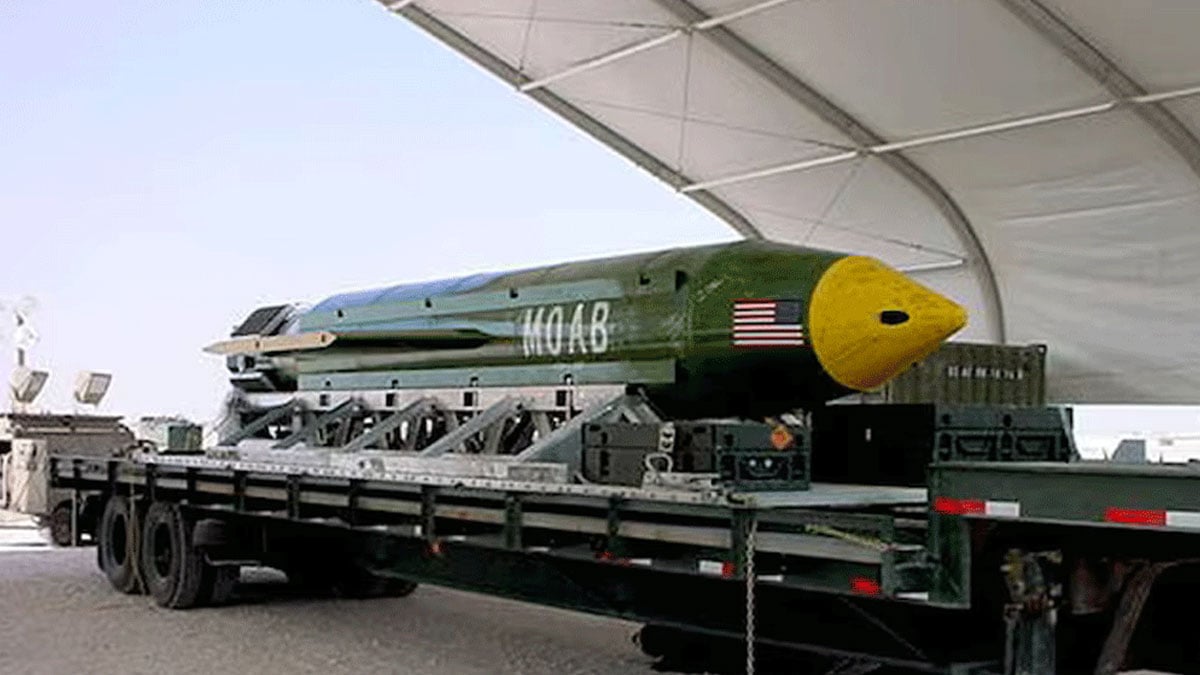
US Considering Use of 'Mother of All Bombs' Against Iranian Infrastructure
about 3 hours ago · 2 sources

world
Global Village Reopens for 31st Season with New Attractions and Cultural Pavilions
about 3 hours ago · 2 sources

world
Russia detains Novaya Gazeta editor Sergei Sokolov in Moscow
about 3 hours ago · 2 sources
PreviousworldFrance Faces Criticism Over Discriminatory Police Fines Targeting YouthNextworldUN Security Council Discusses Women, Peace and Security Amid Climate Crisis
Discussion
Leave a comment