France experiences protests and riots, leading to political tension and calls for strikes.
October 22, 2026 at 1:52 AM1 min read

AI Summary
France is grappling with unrest following recent riots, which involved masked youths clashing with police, looting shops, and vandalizing public buildings. In the wake of the violence, the leader of the hardline CGT union called for strikes after meeting with Prime Minister Sebastien Lecornu. Meanwhile, President Emmanuel Macron addressed the crisis while in Qatar, criticizing Donald Trump for potentially exploiting the unrest for political gain. The government has admitted to losing control during the street violence, and political figures, including Macron, have been engaged in public disputes regarding the events.
World View
2 perspectivesFrance's perspective
Le Monde (English)France24
The government, along with centrist, right-wing and far-right parties, accused La France Insoumise of fueling violence. The president of the Sénat said Tuesday that the question of banning Jean-Luc Mélenchon's party 'can be raised.' , As the country is reeling from last weekend's riots, told reporters after a meeting between Lecornu and union leaders.
Pakistan's perspective
Dawn
President Emmanuel Macron on Wednesday took an apparent swipe at counterpart Donald Trump of exploiting France’s riots for advantage in the US midterm election battle, as Paris prepared for more protests this weekend. Macron, speaking during a visit to Qatar, implied that Trump, and possibly Israeli Prime Minister Benjamin Netanyahu, who is also in election mode , made “stupid comments” on the unrest for political gain, though he did not name either leader.
The Hidden Strings
Patterns visible only when every country's coverage is placed side by side — the connections no single source draws.
Silence
The Silence of the Head of State
95%
Despite the event being centered on France, the domestic clusters (B and C) discussing the riots and political blame are entirely silent on the current French President, Macron. The only mention of him occurs in Cluster A, which frames him solely as an international political actor making accusations against rivals. This suggests that the domestic reporting is focused on the immediate crisis management (labor/blame) rather than the highest level of political leadership.
Cluster B: Labor dispute and government failureCluster C: Political polarization and mutual blameCluster A: International political rivalry and accusation (Macron is present here)
Vocabulary
The Shifting Source of Conflict Blame
95%
The narrative clusters demonstrate a clear shift in the perceived source of the conflict. Cluster A frames the tension as an international, electoral rivalry (using terms like 'election gain' and 'swipe'). Cluster B narrows this to a structural labor failure ('hardline cgt union,' 'urges strikes'). Cluster C further localizes the blame to ideological and economic disputes ('trade blame,' 'radical left'). The conflict is thus presented as moving from global rivalry to domestic labor dispute to internal political polarization.
Cluster A: International political rivalry and accusation (vocabulary: election gain, swipe)Cluster B: Labor dispute and government failure (vocabulary: hardline cgt union, urges strikes)Cluster C: Political polarization and mutual blame (vocabulary: trade blame, radical left)
Timing
Geopolitical Framing Precedes Domestic Crisis Reporting
90%
The publication timeline shows that the international political rivalry angle (Cluster A) is reported first (11:53). The subsequent domestic reports (Cluster B at 13:30 and Cluster C at 14:00) then address the local labor and political disputes. This sequence suggests that the global narrative of accusation may be setting the stage or providing the initial context for the subsequent local reporting on the riots.
2026-10-21T11:53 Pakistan Dawn: Macron takes aim at Trump for using France riots for election gain2026-10-21T13:30 France France24: REPLAY: French union leaders urges strikes after meeting with PM Lecornu2026-10-21T14:00 France Le Monde (English): French government and radical left trade blame after protests turn violent
How Each Side Framed It
International political rivalry and accusation
Pakistan
Favors the diplomatic angle, treating the comments as a geopolitical jab.
takes aimswipeexploitingelection gain
Labor dispute and government failure
France
Favors the labor unions, emphasizing the government's refusal to negotiate.
hardline cgt unionurges strikestalks... collapsedno measure
Political polarization and mutual blame
France
Observational, highlighting the deep political division and conflict.
trade blameradical leftfueling violencebanning
What Mainstream Coverage Missed
Angles present in the cross-border material that the dominant coverage buried or skipped.
- The domestic reporting is entirely silent on President Macron's direct involvement in the riots, limiting his public role solely to international political accusations.
- The narrative structure deliberately shifts the source of conflict blame, moving from global electoral rivalry to structural labor failure, and finally to internal ideological disputes.
- The international political rivalry angle (Macron criticizing Trump) is reported first, suggesting that the global narrative is used to set the context for subsequent domestic reporting on the riots.
The Beyond the Borders PoV
The Question
The French government's handling of the recent riots and unrest should prioritize immediate security restoration and law enforcement control over political dialogue and addressing underlying social grievances.
The French government's handling of the recent riots and unrest should prioritize immediate security restoration and law enforcement control over political dialogue and addressing underlying social grievances.
Given that the government admitted it lost control during the street violence, and the political landscape is already fragmented, immediate security measures are necessary to stabilize the nation. Furthermore, the unrest has already negatively impacted financial markets, causing the yield on the French government's 10-year bond to surpass five percent, making economic stability a critical priority.
The immediate priority must be restoring law enforcement control because the government itself admitted it lost control during the street violence, indicating a critical failure in maintaining public order that must be addressed first.
Prioritizing security is also necessary because the country's political fragmentation makes it difficult for the government to pass essential legislation, such as a cost-cutting budget, meaning internal stability must precede complex political negotiations.
The economic stability of the nation requires a focus on security, as the unrest has already negatively impacted financial markets, causing the yield on the French government's 10-year bond to surpass five percent, which demands immediate stabilization efforts.
These are AI-generated arguments built from the evidence available across the source material. They do not imply that any publisher endorses either position.
Disclaimer
The summary and perspectives above are AI-generated from the source articles listed below. They may contain errors or omissions. Always verify with the original sources. Beyond the Borders is a news aggregation platform and does not produce original journalism.
How does this story make you feel?
What each source is saying
3 sourcesTheir Angle
The government, along with centrist, right-wing and far-right parties, accused La France Insoumise of fueling violence. The president of the Sénat said Tuesday that the question of banning Jean-Luc Mélenchon's party 'can be raised.'
Article Preview
The government, along with centrist, right-wing and far-right parties, accused La France Insoumise of fueling violence. The president of the Sénat said Tuesday that the question of banning Jean-Luc Mélenchon's party 'can be raised.'
More from politics
politics
US Official Marco Rubio Visits India, Discussing Energy and Domestic Politics
about 3 hours ago · 2 sources
politics
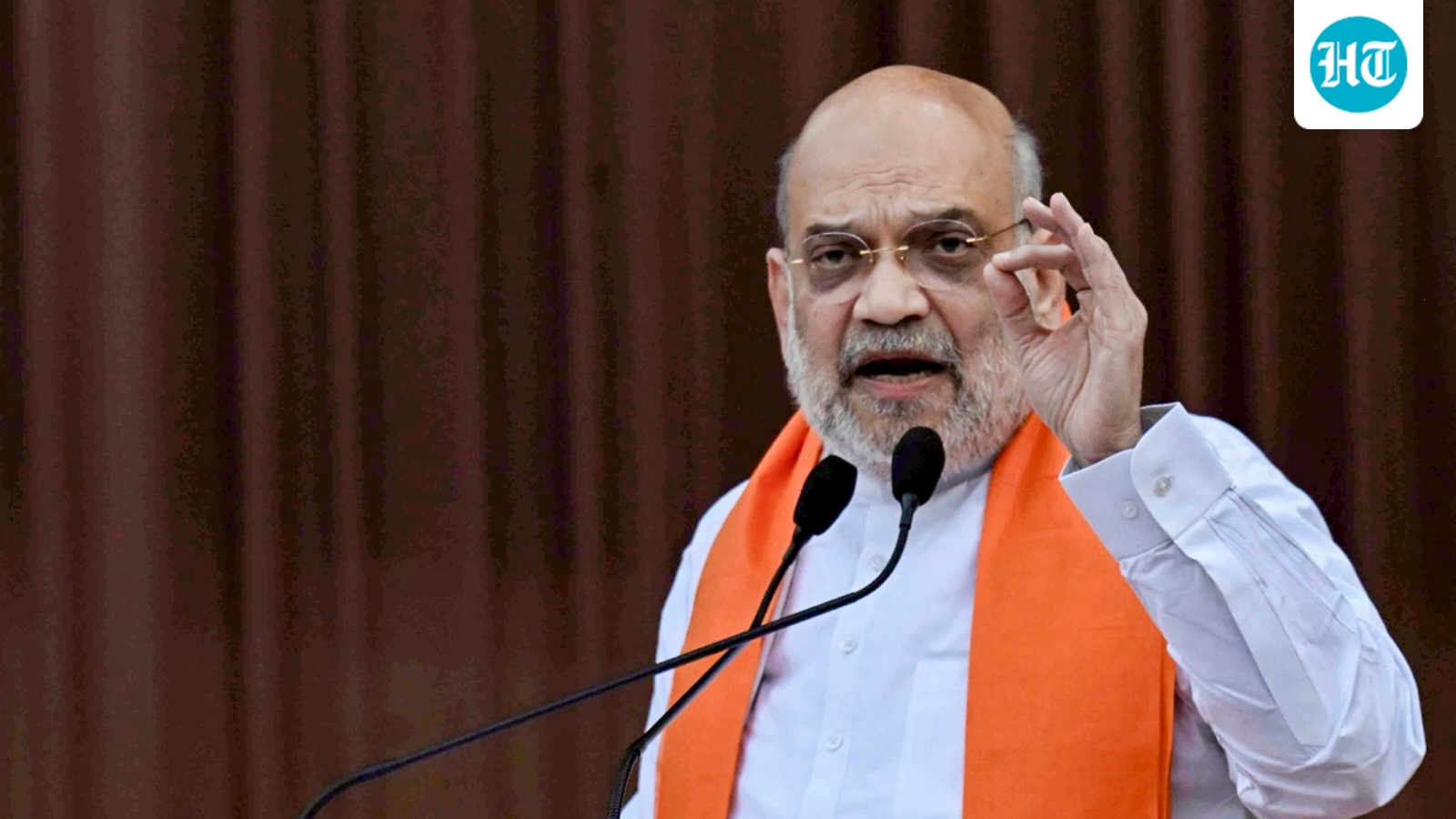
Amit Shah Calls for CBI Probe into Punjab Drug Deaths, Targets AAP Government
about 14 hours ago · 2 sources
politics
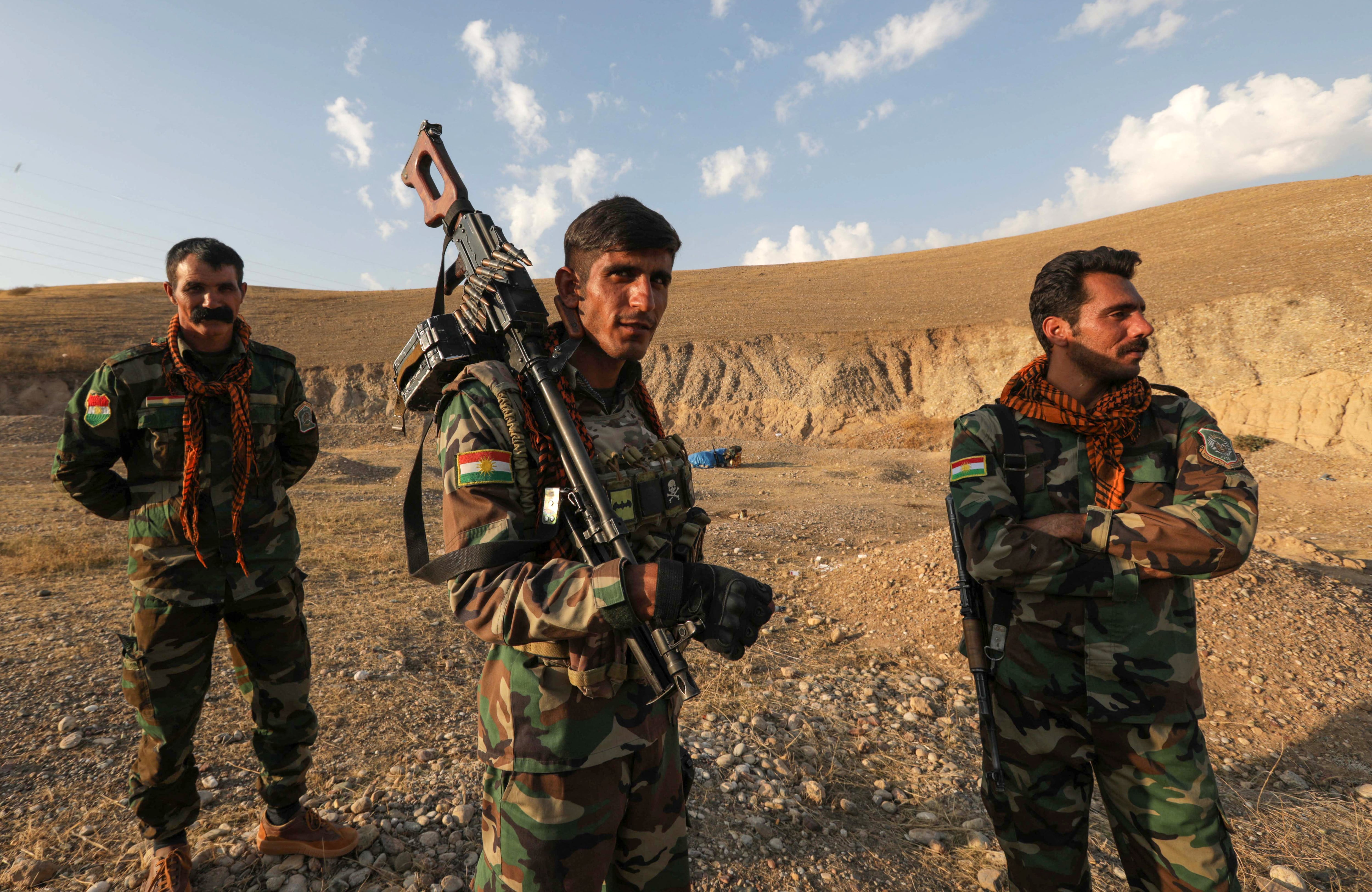
Iran says Iraq has agreed to expel Iranian Kurdish opposition groups from Kurdistan region
1 day ago · 2 sources
Discussion
Leave a comment