US Official Marco Rubio Visits India, Discussing Energy and Domestic Politics
October 22, 2026 at 1:52 AM1 min read
AI Summary
US Secretary of State Marco Rubio visited India, making stops in Mumbai and Gujarat. During his trip, Rubio addressed India's domestic political environment, stating that protests reflect 'political discourse' and 'differences of opinion.' He also dismissed criticism from United Nations experts, calling them an 'oxymoron.' Furthermore, Rubio discussed energy matters, noting that he was there in his capacity as National Security Adviser to see a company with 'tremendous amount of refining capability.'
World View
2 perspectivesIndia's perspective
The Wire
Sources indicate that during his visit, US Secretary of State Marco Rubio addressed India's domestic political environment, stating that protests reflect 'political discourse' and 'differences of opinion.' He also dismissed criticism from United Nations experts, calling them an 'oxymoron,' while asserting that he would not comment on India's internal political matters. Furthermore, Rubio discussed energy matters, noting that he was in India's capacity as National Security Adviser to visit a company with 'tremendous amount of refining capability.' The coverage suggests that Washington is seeking India's help to lower elevated fuel prices, particularly through Reliance Industries' refining capacity, after previously pressuring New Delhi regarding Russian oil purchases.
Russia's perspective
RT (Russia Today)
US Secretary of State Marco Rubio visited India, making stops in Mumbai and Gujarat. During his trip, Rubio addressed India's domestic political environment, stating that protests reflect 'political discourse' and 'differences of opinion.' He also dismissed criticism from United Nations experts, calling them an 'oxymoron.' Furthermore, Rubio discussed energy matters, noting that he was there in his capacity as National Security Adviser to see a company with 'tremendous amount of refining capability.'
The Hidden Strings
Patterns visible only when every country's coverage is placed side by side — the connections no single source draws.
Vocabulary
The Vocabulary String: Geopolitical Pressure vs. Local Technicality
100%
The sources employ radically different vocabularies to describe the same event. Cluster B uses high-stakes geopolitical terms like 'coercion over russian oil' and 'seeking india's help,' framing the visit as a matter of strategic weakness. Conversely, Cluster A uses highly localized, technical, and domestic terms such as 'gujarat,' 'deepens energy ties,' and 'india protests,' attempting to ground the narrative in routine, positive, and manageable local affairs.
coercion over russian oildeepens energy tiesgujaratindia protestsvocabulary contrast table
Frame Inversion
The Frame Inversion: From Proactive Diplomat to Reactive Petitioner
95%
The narrative framing of Marco Rubio undergoes a sharp inversion. In Cluster A, he is presented as a proactive, expert diplomat making positive connections ('deepens energy ties'). In contrast, Cluster B frames him as a reactive, dependent figure who is merely 'seeking India's help' due to external pressures, fundamentally changing his perceived agency and power.
oxymorondeepens energy tiesseeking india's helpvocabulary contrast table
Timing
The Timing String: Immediate Narrative Correction
90%
The publication timeline reveals a deliberate narrative sequence. RT (Cluster B) publishes first (16:43) and immediately sets a tone of US geopolitical weakness and dependence on India. The Wire (Cluster A) follows shortly after (16:52), suggesting an immediate attempt to correct or dilute the initial geopolitical warning by re-centering the discussion on positive, local, and technical achievements.
2026-10-21T16:43 Russia RT (Russia Today): Why Rubio is seeking India’s help after coercion over Russian oil2026-10-21T16:52 India The Wire: Rubio Calls UN Experts an ‘Oxymoron’ Over India Protests; Deepens Energy Ties in Gujarat
How Each Side Framed It
Diplomatic and Corporate Networking Focus
India
Favors the narrative of India's strong economic and political ties.
oxymoronindia protestsdeepens energy tiesgujarat
US Geopolitical Weakness and Dependence
Russia
Favors the narrative that the US is desperate and reliant on India's resources.
coercion over russian oilseeking india's helpleveraging
What Mainstream Coverage Missed
Angles present in the cross-border material that the dominant coverage buried or skipped.
- The explicit framing of the US visit as a dual-purpose mission, simultaneously addressing India's domestic political environment and securing energy interests.
- The immediate narrative correction pattern, where the Wire's focus on 'deepening energy ties' attempts to dilute the geopolitical warning set by Russia's initial coverage.
- The specific detail that Rubio dismissed UN criticism as an 'oxymoron,' a statement that shifts the focus from policy disagreement to rhetorical dismissal of international oversight.
The Beyond the Borders PoV
The Question
The US should prioritize energy security cooperation with India, specifically by engaging with companies possessing significant refining capabilities, as a key component of its broader strategic relationship with the nation.
The US should prioritize energy security cooperation with India, specifically by engaging with companies possessing significant refining capabilities, as a key component of its broader strategic relationship with the nation.
Recent US engagement with India has focused on energy cooperation, exemplified by a visit where Rubio met with leaders of the Adani and Tata groups and toured Reliance’s Jamnagar refinery. This engagement is framed by Washington's broader goal of expanding American energy sales to India. Furthermore, the US has recently waived sanctions on major oil buyers, including India, to facilitate the free flow of Russian oil.
The direct engagement with major Indian refining groups, such as Adani, Tata, and Reliance, demonstrates that the US recognizes the critical role of India's refining capabilities in global energy supply, making cooperation with these specific companies a necessary component of any strategic energy partnership.
The US's shift in strategy, moving from pressuring India regarding Russian oil purchases to seeking India's help to lower domestic fuel prices, indicates that the US views India as a crucial partner whose cooperation is now more valuable for immediate economic stability than for adherence to geopolitical sanctions.
By waiving sanctions on India, the US has signaled a willingness to prioritize maintaining open energy trade routes, which makes deepening energy security cooperation with India a more viable and immediate strategic goal than enforcing previous sanctions regimes.
These are AI-generated arguments built from the evidence available across the source material. They do not imply that any publisher endorses either position.
Disclaimer
The summary and perspectives above are AI-generated from the source articles listed below. They may contain errors or omissions. Always verify with the original sources. Beyond the Borders is a news aggregation platform and does not produce original journalism.
How does this story make you feel?
What each source is saying
2 sourcesTheir Angle
Marco Rubio, US Secretary of State, described protests in India as a sign of political discourse and differences of opinion. He stated he would not comment on India’s domestic political matters, noting that 'This is a democracy.' He also dismissed criticism from United Nations experts as an 'oxymoron.'
Full Article
New Delhi: US Secretary of State Marco Rubio on Wednesday (October 21) described protests as a sign of political discourse and differences of opinion, while asserting that he will not comment on India’s internal affairs, as he travelled to Gujarat after meetings with the heads of the Adani and Tata groups in Mumbai. Asked about protests in India and criticism of the concomitant crackdown by United Nations experts , Rubio dismissed the experts as an “oxymoron”, before saying that he would not comment on domestic political matters. The Trump administration has withdrawn from the UN Human Rights Council and other UN organisations and it has not paid its dues to the world body . “This is a democracy. They have elections here, so I’m not going to opine on their domestic political matters,” he told reporters at the Taj Mahal Palace Hotel in Mumbai, adding that protests in any country could reflect “political discourse” and “differences of opinion”. “But in many ways, the fact that people are out there expressing themselves – I’m not talking about India; in any country in the world – is the sign that this is a country where there’s political discourse and so forth and differences of opinion. So, the fact that you – you just said a moment ago as part of your question “the opposition.” Well, that – there’s no – for example, like there – in Cuba there is no opposition, like – that can actually go out and do anything without going to jail and being oppressed or – and exiled,” he said He distinguished them from what he described as riots in Europe involving vandalism, break-ins and arson. “We have protests every day in the United States because we’re – I mean, people view protests – I mean, obviously, I’m not talking about the riots, like what you’re seeing in Europe, where they’re vandalising and breaking into things and burning down buildings. I’m not talking about that.” He added that the protests were for the Indian people to consider. “We’re not going to comment on internal political matters. That’s for the Indian people to decide and navigate,” he said. Also read: Six US Lawmakers Urge Rubio to Take up Excessive Use of Force on Protesters During India Visit The remarks came as Rubio began the second day of his India visit with meetings with Gautam Adani, chairman of the Adani Group, and N. Chandrasekaran, chairman of Tata Sons, before travelling to Jamnagar in Gujarat for engagements at Reliance Industries’ facilities. The meeting with Adani was the first between the industrialist and a senior Trump administration cabinet official since a US federal judge dismissed the criminal case against him in August, after the Department of Justice decided to drop the charges. Neither the US side nor the Indian business groups disclosed details of the Mumbai meetings. The schedule circulated to the travelling press marked both as closed press engagements, and the subsequent visit to Reliance’s facilities in Jamnagar was also closed to the media. Rubio’s visit to Jamnagar comes as Washington seeks to expand American energy sales to India and encourage Reliance to process more Venezuelan crude. The US secretary of state said on Tuesday that the company’s ability to refine heavy crude made it a potential partner as Venezuela increases production. Asked on Wednesday whether he was seeking a specific investment commitment or changes in Reliance’s oil sourcing, Rubio said the visit was an opportunity to examine the company’s operations and discuss broader cooperation. “Obviously that’s something that on the energy field the Department of Energy would be very involved on the details of any specific ask,” he said. “I think for us it’s more an opportunity to see their operations and have a broader discussion about their presence globally at a time in which energy is featuring prominently in many of the geopolitical decisions that are being made.” He said Reliance had substantial refining capacity and an existing investment presence in the United States, adding that he expected discussions to cover its ability to process heavy crude from the Western Hemisphere, including Venezuela. The Jamnagar complex has a crude-processing capacity of about 1.4 million barrels per day, making it the world’s largest single-site oil refinery. Its ability to process heavy and extra-heavy crude is particularly relevant to Washington’s interest in finding markets for increased Venezuelan production. Also read: Rubio Pushes US Energy Sales to India, Says Trade Deal Is Close During India Visit Rubio has argued that additional Venezuelan supplies could help ease pressure on global energy markets, although he has acknowledged that they would not fully compensate for disruptions elsewhere. The Reliance visit has a wider commercial dimension. The conglomerate is backing a proposed $300 billion refinery project in Brownsville, Texas, announced by US President Donald Trump in March. The project has been presented as part of the Trump administration’s efforts to expand domestic energy production. US ambassador to India Sergio Gor, who accompanied Rubio to Reliance’s Jamnagar facilities, highlighted the energy relationship in a post on X on Wednesday. “Over the past year, India’s imports of US LPG have surged from under 10% to 67%, making the United States India’s largest LPG supplier,” Gor wrote . He described Reliance’s planned investment in the first new US oil refinery in 50 years as another opportunity to expand American energy production and create jobs. Rubio was scheduled to tour Reliance’s refinery complex, the Vantara animal rescue and rehabilitation centre and the conglomerate’s planned green-energy manufacturing facilities. His schedule also listed a dinner with Reliance chairman and managing director Mukesh Ambani at Vantara . The US secretary of state was scheduled to stay overnight in Jamnagar, a change from the original itinerary, and return to Mumbai on Thursday.
More from politics
politics
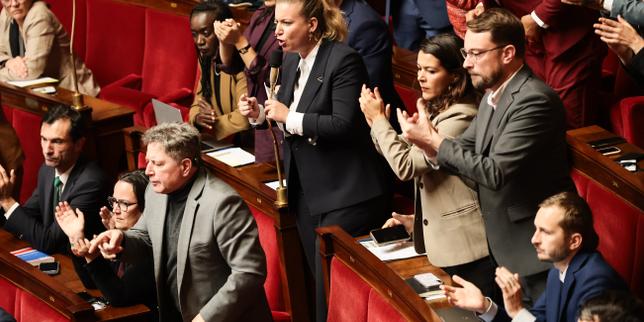
France experiences protests and riots, leading to political tension and calls for strikes.
about 3 hours ago · 3 sources
politics
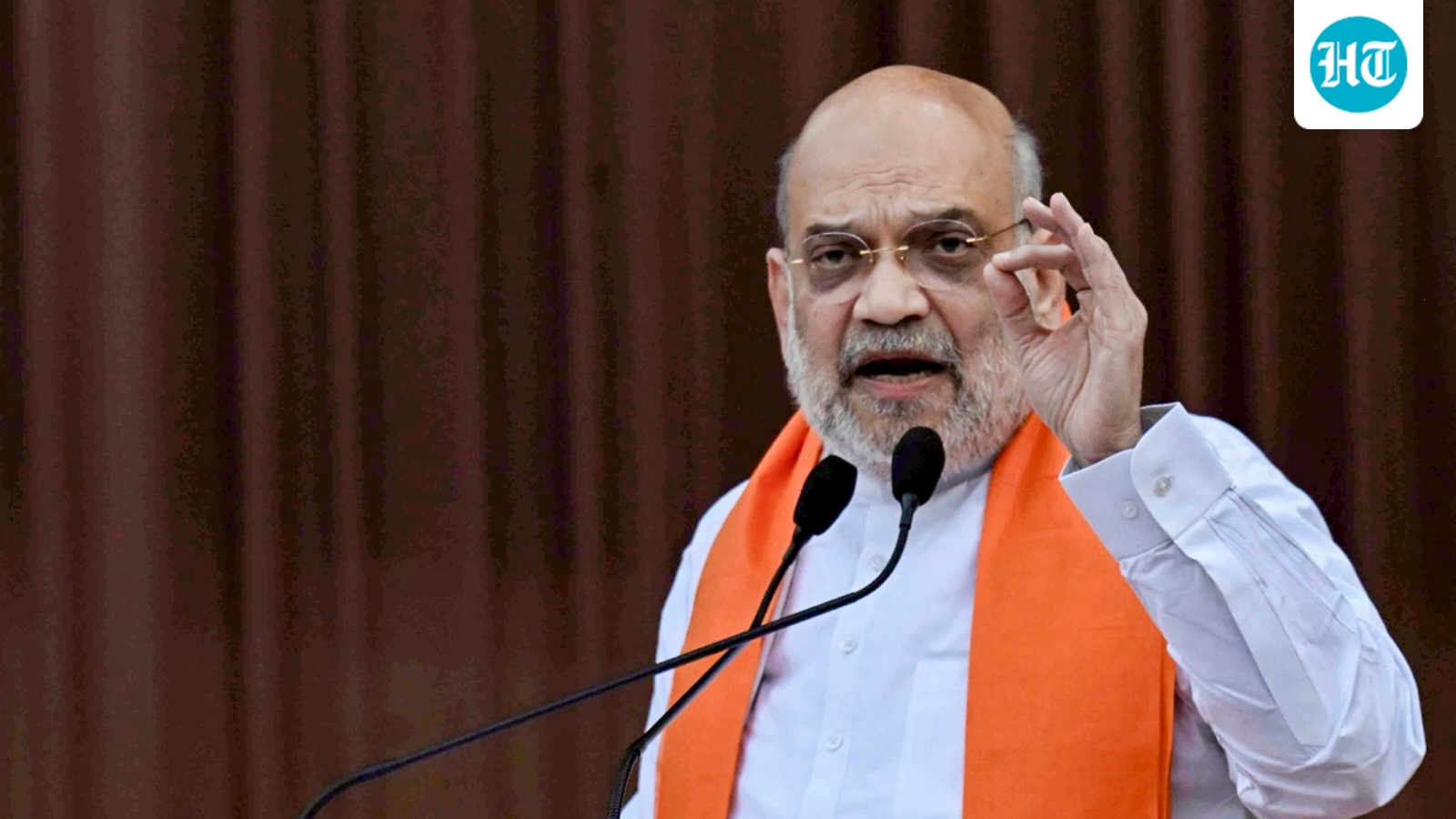
Amit Shah Calls for CBI Probe into Punjab Drug Deaths, Targets AAP Government
about 14 hours ago · 2 sources
politics
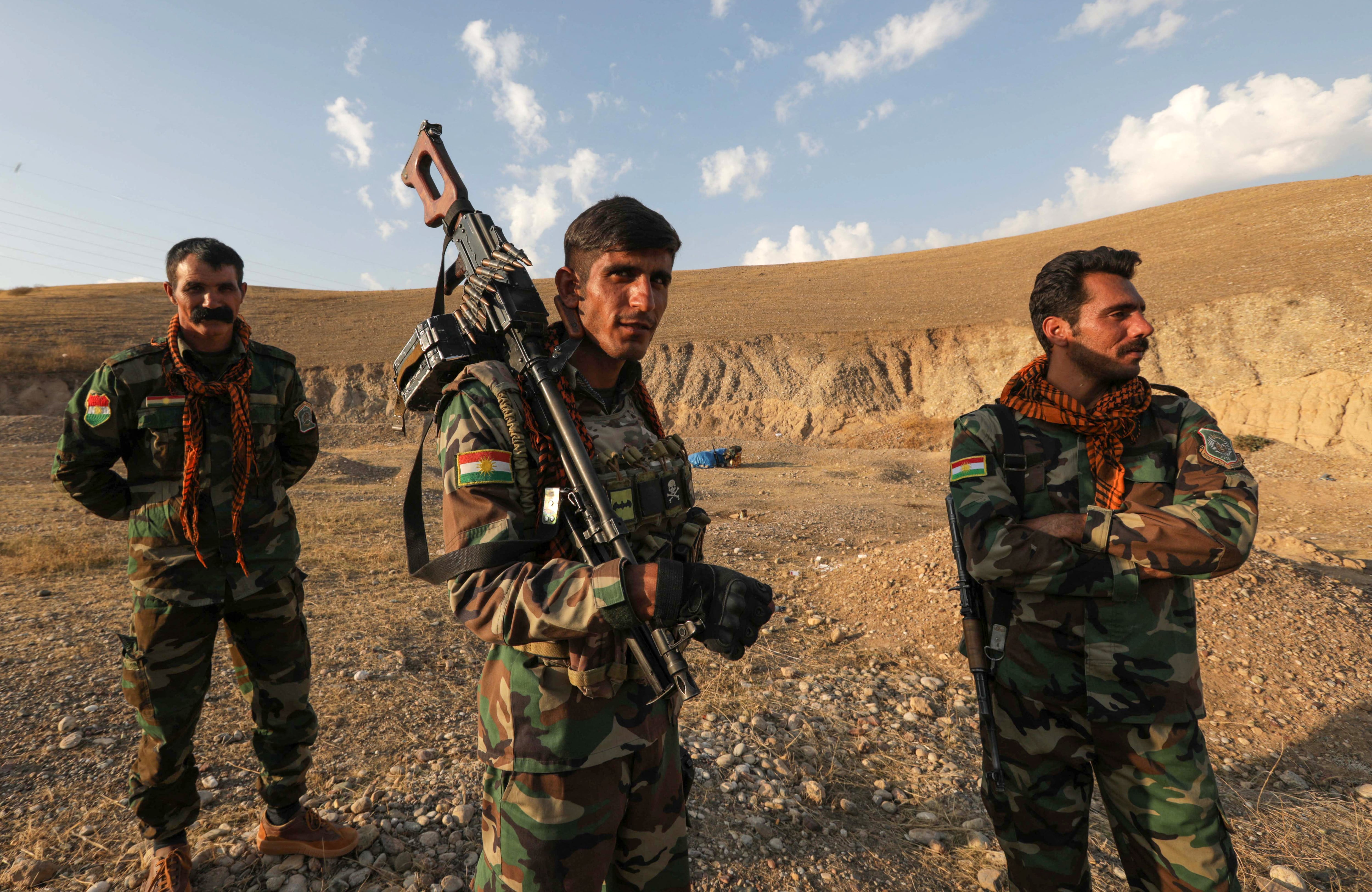
Iran says Iraq has agreed to expel Iranian Kurdish opposition groups from Kurdistan region
1 day ago · 2 sources
Discussion
Leave a comment