indiaCovered by 2 Sources
Youth Protests and Human Rights Concerns in India
October 17, 2026 at 2:10 PM1 min read

AI Summary
Youth protests in India have risen to levels not seen in a decade, with protesters scaling barricades and chanting anti-government slogans. These demonstrations have involved scuffles with security personnel, despite the deployment of tens of thousands of officers. Separately, India rejected a report by a UN human rights expert that suggested young people face retaliation or stigmatization for discussing mental health or gender justice. The country characterized these claims as 'hearsay.'
World View
2 perspectivesIndia's perspective
The Hindu
Anuj Swarup voiced an objection to the report asserting that young people in India face retaliation or stigmatisation for discussing mental health or gender justice.
China's perspective
South China Morning Post
Despite tens of thousands of security personnel deployed to stop them, youth protesters in India scaled barricades last week, chanted anti-government slogans and scuffled with police officers trying to drag them away. “Long live the revolution,” shouted one young man before police bundled him into a bus.
The Hidden Strings
Patterns visible only when every country's coverage is placed side by side — the connections no single source draws.
Vocabulary
The Vocabulary String: Physical Conflict vs. Legal Dismissal
100%
The two clusters employ diametrically opposed vocabularies to describe the same event. Cluster B uses active, physical terms ('scuffled', 'scaled barricades', 'protests rise') to establish a narrative of escalating conflict. In stark contrast, Cluster A uses defensive, legalistic language ('rejects report', 'terms claims as 'hearsay'') to delegitimize the entire premise of the unrest, making the conflict seem merely a matter of disputed claims.
Cluster B: 'scuffled', 'scaled barricades', 'protests rise'Cluster A: 'rejects report', 'terms claims as 'hearsay'', 'retaliation'DETERMINISTIC VOCABULARY CONTRAST
Silence
The Silence of Scale: Ignoring the Physical Reality or the Official Rebuttal
95%
Both clusters exhibit a pattern of mutual omission. Cluster A, while focusing on the rejection of external reports, completely omits any mention of the physical scale of the unrest, the barricades, or the police presence. Conversely, Cluster B focuses heavily on the physical action but entirely ignores the official rebuttal or the specific claims made by the UN report, thereby creating a vacuum of context.
Cluster A: Focus on 'rejects report' and 'terms claims as 'hearsay'' (omitting physical conflict)Cluster B: Focus on 'scaled barricades' and 'anti-government slogans' (omitting official rebuttal)DETERMINISTIC VOCABULARY CONTRAST
Timing
The Narrative Sequence: Event Reporting Precedes Official Rebuttal
90%
The timeline suggests a deliberate narrative sequence. The South China Morning Post reports the physical reality of the unrest ('Modi under pressure as India’s youth protests rise') at 07:13. The Hindu follows 22 minutes later (07:35) to provide the official counter-narrative, focusing entirely on the rejection of external reports. This timing structure frames the conflict as an event that must be immediately countered by an official denial.
2026-10-17T07:13 China South China Morning Post: Modi under pressure as India’s youth protests rise to highest level in a decade2026-10-17T07:35 India The Hindu: India rejects report by UN human rights expert that says Indian youth face retaliation, terms claims as 'hearsay'
How Each Side Framed It
Dismissal of external human rights claims
India
Favors the Indian government by dismissing international criticism as unfounded.
rejects reportterms claims as 'hearsay'voiced an objection
Political unrest and anti-government conflict
China
Favors the narrative of instability and government pressure due to protests.
under pressureprotests risescaled barricadesanti-government slogansscuffled
What Mainstream Coverage Missed
Angles present in the cross-border material that the dominant coverage buried or skipped.
- The deliberate narrative sequence: The physical reality of the protests is reported first, followed by the official counter-narrative rejecting external reports.
- The diametrically opposed vocabulary: One cluster uses active, physical terms ('scuffled,' 'scaled barricades'), while the other uses defensive, legalistic language ('rejects report,' 'hearsay').
- The pattern of mutual omission: Both the physical accounts and the official rebuttals ignore the context provided by the other side, creating a vacuum of verifiable truth.
The Beyond the Borders PoV
The Question
India's handling of youth protests and its rejection of the UN human rights expert's report on mental health and gender justice constitutes a violation of fundamental human rights principles.
India's rejection of the UN human rights expert's report and its dismissal of claims regarding youth retaliation constitutes a violation of fundamental human rights principles.
The UN human rights expert's report specifically warns that Indian youth face retaliation or stigmatization for discussing mental health or gender justice. Despite this, India rejected the report, dismissing these serious claims as mere 'hearsay'. This rejection suggests a systemic disregard for international human rights concerns regarding youth activism.
By rejecting the UN human rights expert's report and labeling claims of retaliation as 'hearsay', India minimizes the documented risk to youth discussing sensitive topics, thereby failing to uphold the fundamental right to free expression and assembly.
The UN expert's report establishes that Indian youth face retaliation or stigmatization when discussing mental health or gender justice, making India's rejection of this report a direct contradiction of international human rights standards and a failure to protect vulnerable groups.
These are AI-generated arguments built from the evidence available across the source material. They do not imply that any publisher endorses either position.
Disclaimer
The summary and perspectives above are AI-generated from the source articles listed below. They may contain errors or omissions. Always verify with the original sources. Beyond the Borders is a news aggregation platform and does not produce original journalism.
How does this story make you feel?
What each source is saying
2 sourcesTheir Angle
Anuj Swarup voiced an objection to the report asserting that young people in India face retaliation or stigmatisation for discussing mental health or gender justice.
Article Preview
Anuj Swarup voiced an objection to the report asserting that young people in India face retaliation or stigmatisation for discussing mental health or gender justice.
More from india
india
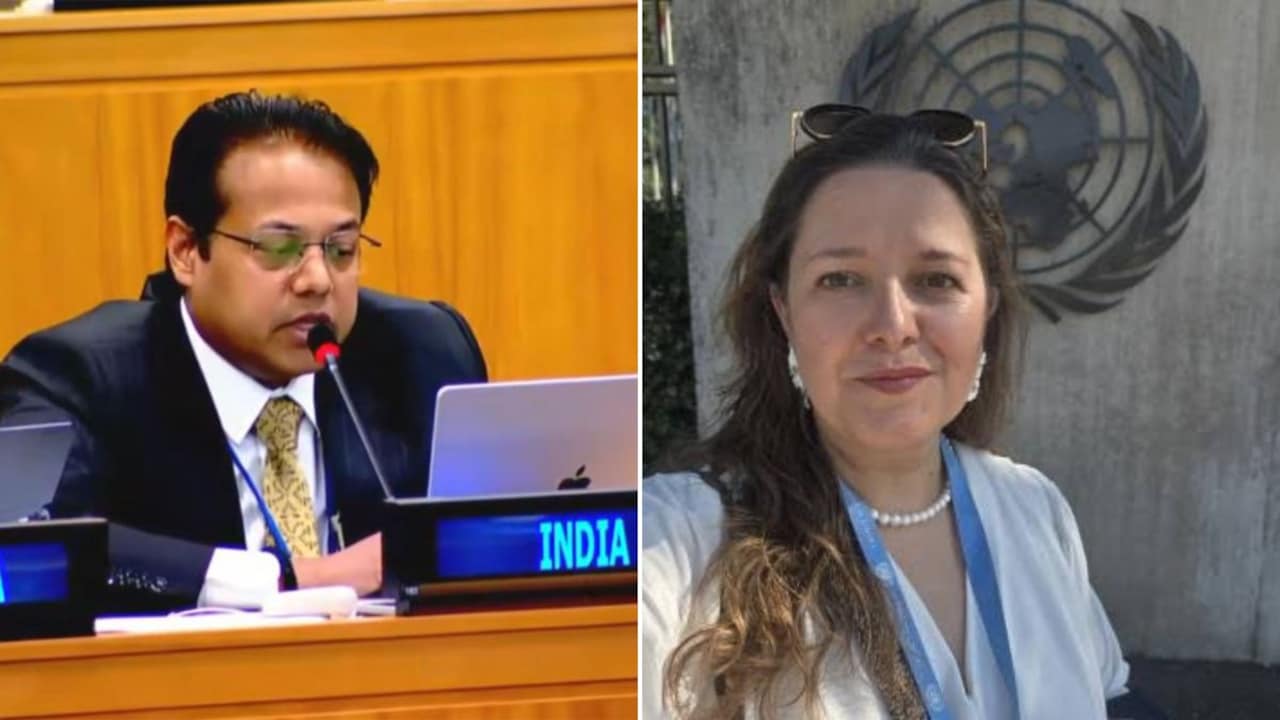
India Rejects External Criticism Over Youth Protests and Civic Space
about 3 hours ago · 2 sources

india
Indian Minister Reports Oil Tanker Strike in Strait of Hormuz
about 3 hours ago · 2 sources
india
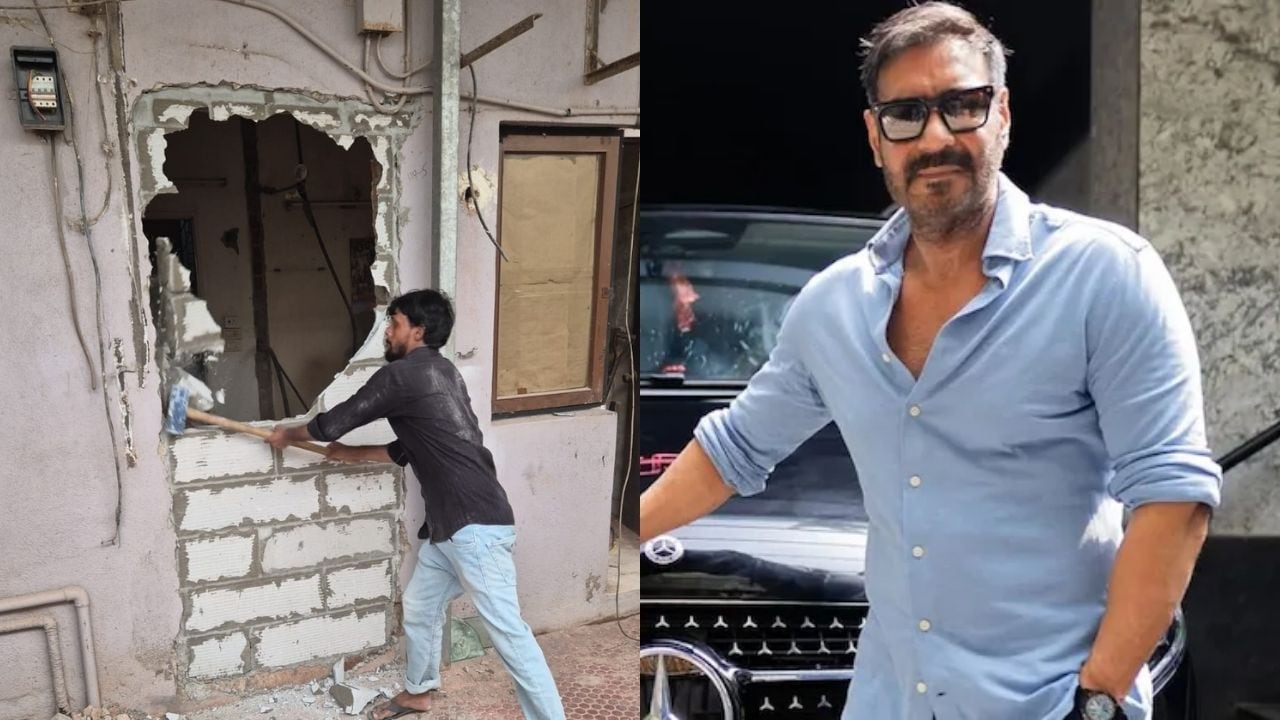
BMC Demolishes Part of Ajay Devgn's Juhu Bungalow Over Unauthorized Construction
about 3 hours ago · 2 sources
Discussion
Leave a comment