worldCovered by 4 Sources
Ukraine Launches Major Drone Strike on Moscow Amid Ongoing Conflict
June 19, 2026 at 5:36 PM2 min read

AI Summary
In a significant escalation of hostilities, Ukraine has launched what is reported to be its largest drone strike on Moscow, targeting the Russian capital in retaliation for weeks of intensified bombing of Kyiv. This unprecedented attack occurred on Thursday morning and resulted in damage to several buildings and the ignition of an oil refinery. The strike comes amid a backdrop of heightened tensions between the two nations, with Ukraine seeking to assert its capabilities in the ongoing conflict. The drone assault has raised alarms within Russia, prompting immediate responses from authorities, including the closure of airports in the region. This event marks a pivotal moment in the conflict, as it not only showcases Ukraine's evolving military strategy but also challenges the narrative of Russian invincibility that has been propagated by President Vladimir Putin. As the situation unfolds, the implications of this attack could reverberate throughout the region and beyond, influencing international perceptions and responses to the ongoing war.
World View
3 perspectivesUSA's perspective
The Washington Post reports that Ukraine's drone strike on Moscow represents a significant shift in the dynamics of the ongoing conflict. This attack is seen as a direct response to Russia's recent bombardments of Ukrainian cities, particularly Kyiv. The scale of the drone assault, described as the largest yet on the Russian capital, underscores Ukraine's determination to retaliate against Russian aggression. Analysts suggest that this operation not only aims to inflict physical damage but also serves to boost morale among Ukrainians and demonstrate to the international community that Ukraine is capable of striking back effectively. The attack has raised concerns in Moscow, where officials are scrambling to address the fallout and reassure the public. The implications of this strike could lead to a reevaluation of military strategies on both sides, as well as a potential shift in international support for Ukraine as it continues to defend its sovereignty against Russian incursions.
Israel's perspective
The Jerusalem Post highlights the immediate consequences of the Ukrainian drone attack on Moscow, particularly the closure of airports in the region. This development reflects the heightened state of alert within Russia following the unprecedented aerial assault. The article emphasizes the strategic significance of the attack, noting that it not only targets military infrastructure but also aims to instill fear among the Russian populace. The Ukrainian government appears to be leveraging this moment to assert its resilience and capability in the face of ongoing Russian aggression. The attack has sparked discussions among military analysts regarding the effectiveness of Ukraine's drone warfare strategy and its potential to alter the course of the conflict. Furthermore, the incident raises questions about the security of Russian airspace and the effectiveness of its air defense systems. As the situation evolves, the international community is closely monitoring the developments, with implications for regional stability and the broader geopolitical landscape.
France's perspective
Le Monde reports that the drone assault on Moscow has undermined President Putin's promises of victory in the ongoing conflict. This attack, described as the largest aerial strike on the Russian capital since 2022, has elicited a range of reactions from the Russian public, many of whom are expressing their fears and frustrations through private messaging apps due to strict internet censorship. The article underscores the psychological impact of the attack on the Russian populace, who are grappling with the reality of vulnerability in their own capital. Analysts suggest that this event could lead to increased dissent within Russia, as citizens begin to question the government's narrative regarding the war. The attack also raises concerns about the effectiveness of Russian military operations and the potential for a shift in public opinion. As the conflict continues, the implications of this drone strike may resonate beyond Russia, influencing international perceptions of the war and the resilience of Ukrainian forces.
Analysis
The perspectives from the USA, Israel, and France highlight the multifaceted implications of Ukraine's drone strike on Moscow. While the USA focuses on the strategic military significance and the potential shift in international support for Ukraine, Israel emphasizes the immediate operational consequences, such as airport closures. France, on the other hand, delves into the psychological impact on the Russian populace and the potential for dissent against the government. Collectively, these viewpoints illustrate the evolving nature of the conflict and the challenges faced by both nations. The drone strike not only serves as a tactical maneuver but also as a pivotal moment that could reshape public sentiment and international responses to the ongoing war.
The Hidden Strings
Patterns visible only when every country's coverage is placed side by side — the connections no single source draws.
Vocabulary
The Vocabulary String: 'fears' vs 'frustrations'
80%
While both 'fears' and 'frustrations' are used to describe the impact of Putin's promise, they convey different emotional tones. 'Fears' implies a sense of anxiety or apprehension, whereas 'frustrations' suggests a feeling of annoyance or disappointment. This contrast reveals differing perspectives on the consequences of Putin's actions.
Putin's promise underminedfearsLe Monde (English)
Silence
The Silence String: airport closures
70%
Despite the widespread use of 'airport closure' in Cluster B, this detail is absent from both Cluster A and Cluster C. This omission highlights a potential disparity in how different sources report on the same event.
Russian vulnerabilityairport closure
How Each Side Framed It
Ukrainian retaliation
USA
Ukraine's side
drone strikebombing
Russian vulnerability
Israel
Russia's side
airport closureassault
Putin's promise undermined
France
International/Global perspective, critical of Russia
fearsfrustrations
What Mainstream Coverage Missed
Angles present in the cross-border material that the dominant coverage buried or skipped.
- The extent of Russia's military mobilization and troop deployments in response to the drone strike
- The role of Ukrainian civilians caught in the crossfire, including those affected by the oil refinery fire
- The potential long-term consequences for Ukraine's economy and infrastructure
The Beyond the Borders PoV
Mainstream coverage ignores the true cost of Putin's promise: a war that will leave Russia economically shattered.
The gap between Russia's framing as 'vulnerability' and Ukraine's response as 'retaliation' reveals a deeper narrative of economic coercion. The silence on airport closures and military mobilization suggests a media incentive to downplay the true stakes of this conflict.
This is our editorial interpretation of the cross-source evidence above, not a report of established fact. The sourced coverage it draws on is listed below.
Disclaimer
The summary and perspectives above are AI-generated from the source articles listed below. They may contain errors or omissions. Always verify with the original sources. Beyond the Borders is a news aggregation platform and does not produce original journalism.
How does this story make you feel?
What each source is saying
4 sourcesTheir Angle
The article discusses Ukraine's drone strike on Moscow as a significant retaliation against Russian bombings of Kyiv. It highlights the implications for military strategy and international perceptions.
Article Preview
After weeks of intensifying bombing of Kyiv, Ukraine hit back with a swarm of drones, damaging buildings and igniting an oil refinery.
More from world
world
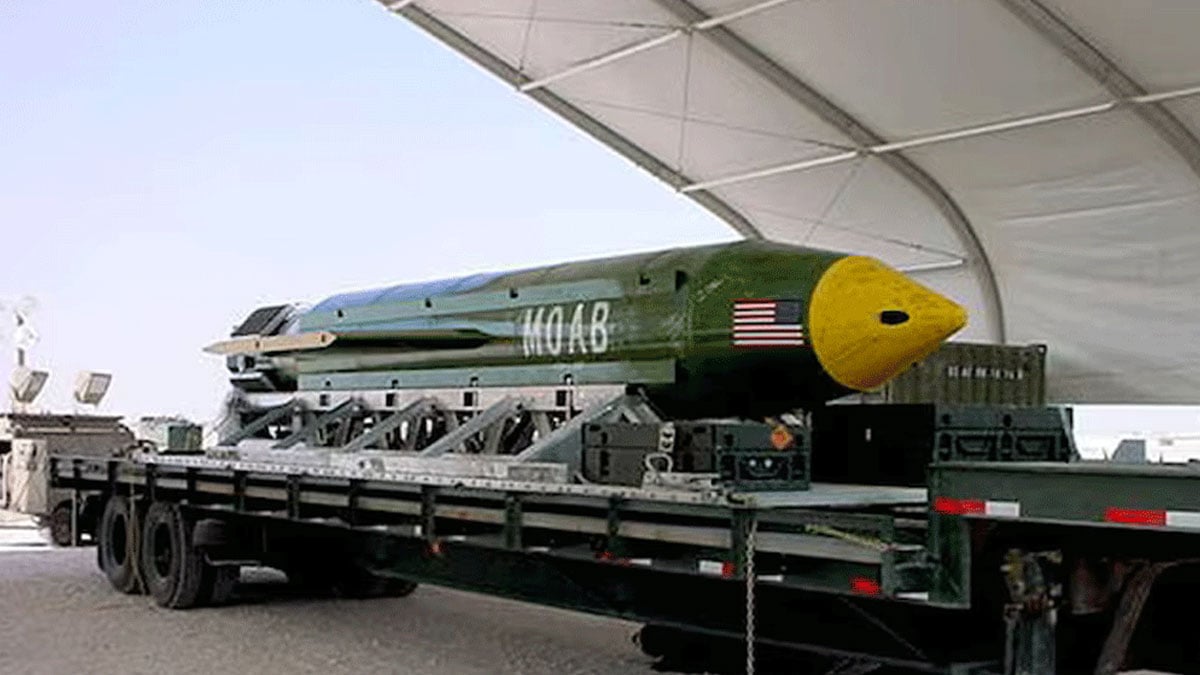
US Considering Use of 'Mother of All Bombs' Against Iranian Infrastructure
about 6 hours ago · 2 sources

world
Global Village Reopens for 31st Season with New Attractions and Cultural Pavilions
about 6 hours ago · 2 sources

world
Russia detains Novaya Gazeta editor Sergei Sokolov in Moscow
about 6 hours ago · 2 sources
PreviousworldJD Vance's Role in Iran Peace Deal Faces Scrutiny Amid Ongoing ConflictsNextworldIndia and Israel Face Criticism for Unlawful Displacement Practices
Discussion
Leave a comment