worldCovered by 2 Sources
JD Vance's Role in Iran Peace Deal Faces Scrutiny Amid Ongoing Conflicts
June 19, 2026 at 5:36 PM2 min read

AI Summary
JD Vance, the Vice President of the United States, has emerged as a prominent figure in the recent efforts to establish a peace deal with Iran, a significant shift from his previous stance as a skeptic of foreign military interventions. His active involvement includes giving interviews, releasing promotional videos, and leading a White House briefing on the matter. However, the situation has become complicated as planned talks between the United States and Iran have been postponed, raising questions about the viability of the agreement. Iran's Supreme Leader has expressed skepticism regarding the deal, which adds to the uncertainty surrounding the negotiations. Concurrently, violence continues to escalate in Lebanon, where clashes between the Israeli army and Hezbollah have resulted in multiple casualties. This backdrop of conflict and uncertainty poses challenges for Vance as he navigates his role in the peace process, especially with the 2028 presidential election looming on the horizon. The implications of his actions could significantly impact his political future and the broader geopolitical landscape.
World View
2 perspectivesUSA's perspective
In the United States, JD Vance's newfound role as a champion of the Iran peace deal has sparked a mix of intrigue and skepticism. His previous position as a critic of foreign military interventions has made this pivot noteworthy, as many observers question whether this shift will resonate positively with voters. Vance's active engagement in promoting the deal through various media channels indicates a strategic move to align himself with President Trump's foreign policy agenda. However, the postponement of talks between the US and Iran, coupled with Iran's Supreme Leader's doubts about the agreement, raises concerns about the deal's future. Analysts suggest that Vance's association with this initiative could either bolster his political capital or expose him to criticism if the negotiations falter. As the 2028 election approaches, Vance's ability to navigate these complex dynamics will be crucial in determining his standing within the Republican Party and among the electorate.
France's perspective
From a French perspective, the postponement of US-Iran talks highlights the fragility of diplomatic efforts in the region. The announcement from Switzerland regarding the delay has raised alarms, especially given the ongoing violence in Lebanon, where clashes between the Israeli army and Hezbollah have resulted in significant casualties. The situation underscores the interconnectedness of regional conflicts and the challenges faced by international mediators. Iran's Supreme Leader's skepticism about the peace deal further complicates the landscape, suggesting that internal political dynamics within Iran may hinder progress. French analysts are closely monitoring these developments, as they could have broader implications for European security and stability in the Middle East. The ongoing fighting in Lebanon serves as a stark reminder of the volatility in the region, and the effectiveness of US diplomatic efforts under Vance's leadership remains to be seen. The outcome of these negotiations could reshape alliances and influence future engagements in the area.
Analysis
The perspectives from the USA and France reveal contrasting focuses on JD Vance's role in the Iran peace deal. The US viewpoint emphasizes Vance's political maneuvering and the potential risks associated with his shift in stance, while the French perspective highlights the broader geopolitical implications and the precarious nature of regional stability. Both perspectives acknowledge the uncertainty surrounding the negotiations and the ongoing violence in Lebanon, suggesting that the success or failure of the peace deal could have far-reaching consequences for international relations and security in the Middle East.
The Hidden Strings
Patterns visible only when every country's coverage is placed side by side — the connections no single source draws.
Vocabulary
US vs Iran: Loaded Language in Peace Deal Coverage
80%
The use of 'war' to describe the conflict in Lebanon contrasts with the absence of such language when discussing the US-Iran peace deal. This contrast highlights differing loaded words and perspectives on the same event. The use of 'talks' and 'postponed' also suggests a focus on international relations rather than domestic politics.
CLUSTER A: war; CLUSTER B: fighting
Silence
Missing Context on Hezbollah
60%
Both clusters discuss the conflict in Lebanon, but only one mentions Hezbollah. This omission highlights a potential gap in coverage and understanding of the issue.
CLUSTER A: Lebanon; CLUSTER B: Hezbollah
How Each Side Framed It
US-backed deal
USA
Favors US position
trumpdealwar
Uncertain international relations
France
Neutral/Informative
talkspostponedfighting
What Mainstream Coverage Missed
Angles present in the cross-border material that the dominant coverage buried or skipped.
- The US media's focus on JD Vance's role in the Iran peace deal overlooks his ties to the far-right and its potential influence on his stance.
- France's framing of the situation as 'fragile diplomatic efforts' fails to acknowledge the historical context of US-Iran relations and the role of Israel in the region.
- The lack of discussion about Hezbollah's involvement in the conflict in Lebanon raises questions about the media's bias towards pro-Israel narratives.
The Beyond the Borders PoV
JD Vance's sudden shift on Iran is a symptom of a broader problem: the normalization of far-right ideology in US politics.
The US media's failure to scrutinize Vance's ties to the far-right and its potential influence on his stance is consistent with a broader pattern of ignoring extremist ideologies. France's framing of the situation as 'fragile diplomatic efforts' fails to acknowledge the historical context of US-Iran relations and the role of Israel in the region, which is often used to justify pro-Israel policies. The lack of discussion about Hezbollah's involvement in the conflict in Lebanon raises questions about the media's bias towards pro-Israel narratives and its failure to hold those in power accountable.
This is our editorial interpretation of the cross-source evidence above, not a report of established fact. The sourced coverage it draws on is listed below.
Disclaimer
The summary and perspectives above are AI-generated from the source articles listed below. They may contain errors or omissions. Always verify with the original sources. Beyond the Borders is a news aggregation platform and does not produce original journalism.
How does this story make you feel?
What each source is saying
2 sourcesTheir Angle
The Hill discusses JD Vance's prominent role in promoting the Iran peace deal and the implications for his political future.
Article Preview
JD Vance has been at the forefront of President Donald Trump's deal to end the Iran war- giving interviews, releasing videos, and taking charge of a White House briefing. It's a shift in tone for the Vice President, who previously positioned himself as a foreign military intervention skeptic. Could his support for the administrations deal...
More from world
world
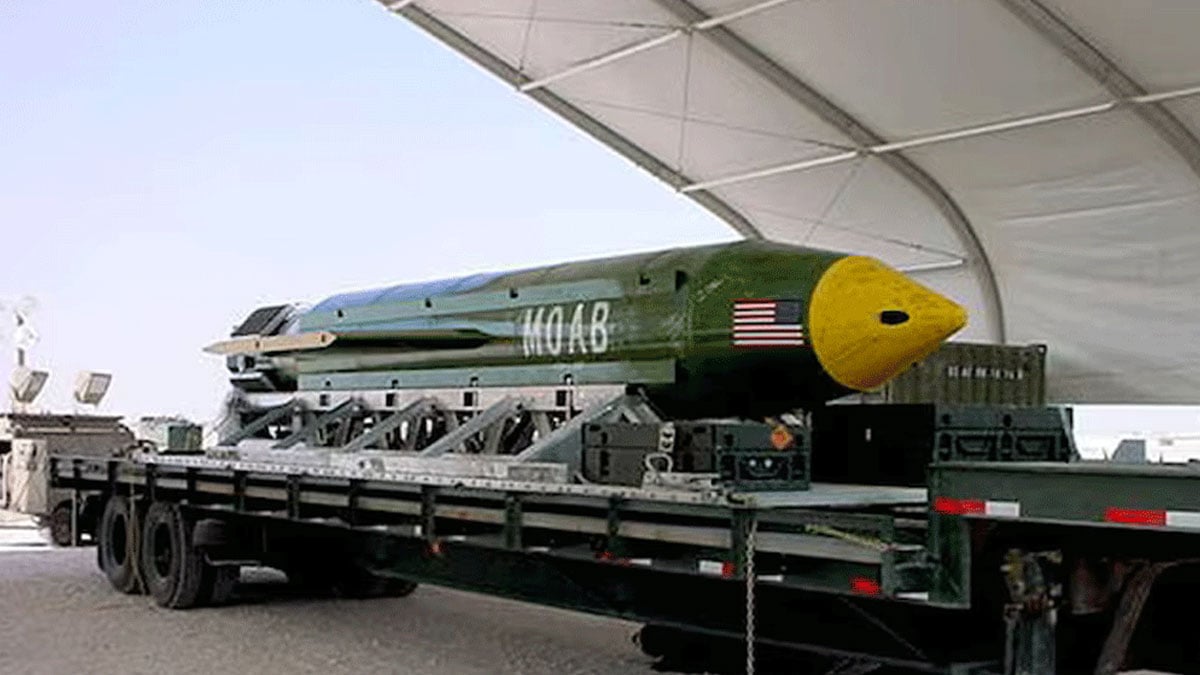
US Considering Use of 'Mother of All Bombs' Against Iranian Infrastructure
about 6 hours ago · 2 sources

world
Global Village Reopens for 31st Season with New Attractions and Cultural Pavilions
about 6 hours ago · 2 sources

world
Russia detains Novaya Gazeta editor Sergei Sokolov in Moscow
about 6 hours ago · 2 sources
PreviousworldNEET UG Re-Exam 2026 Mock Drill Set for Tomorrow Across IndiaNextworldUkraine Launches Major Drone Strike on Moscow Amid Ongoing Conflict
Discussion
Leave a comment