worldCovered by 2 Sources
Supreme Court Dismisses CBI Probe Request Into TVK Trust Vote
June 19, 2026 at 5:37 PM2 min read

AI Summary
The Supreme Court of India has dismissed a petition seeking a Central Bureau of Investigation probe into the trust vote of the Tamil Nadu Vanniyar Kula Koodam (TVK). The petition was filed by KK Ramesh, a resident of Madurai, who alleged irregularities in the trust vote process. The court, led by Chief Justice of India Surya Kant, characterized the allegations as vague and lacking substantial evidence. This ruling comes amid ongoing political tensions in Tamil Nadu, where trust votes are critical in determining the stability of the ruling government. The court's decision reflects its stance on maintaining judicial integrity by not entertaining petitions that do not meet the required legal standards. The implications of this ruling may resonate within the political landscape of Tamil Nadu, as it underscores the judiciary's role in adjudicating political disputes while also setting a precedent for future cases involving similar allegations. The rejection of the plea highlights the challenges faced by individuals seeking judicial intervention in politically sensitive matters.
World View
1 perspectiveIndia's perspective
The Supreme Court's dismissal of the plea for a CBI investigation into the TVK trust vote has sparked discussions about the integrity of political processes in Tamil Nadu. The court described the allegations made by KK Ramesh as vague, bald, and casual, indicating a lack of concrete evidence to support claims of wrongdoing. This ruling is significant as it reinforces the judiciary's position on not intervening in political matters without substantial proof. Legal experts suggest that this decision may deter similar petitions in the future, as individuals may find it challenging to meet the court's stringent requirements for evidence. The political climate in Tamil Nadu remains charged, with various factions vying for power and influence. The court's ruling may also impact public perception of the trust vote process, as citizens may question the transparency and fairness of such political maneuvers. Overall, the Supreme Court's decision serves as a reminder of the delicate balance between judicial oversight and political autonomy in India's democratic framework.
Analysis
The perspectives from Indian media outlets highlight the Supreme Court's firm stance on maintaining judicial integrity while addressing politically sensitive issues. The court's rejection of the plea underscores the necessity for substantial evidence in legal proceedings, particularly in politically charged environments. This ruling may have broader implications for how political disputes are handled in India, potentially discouraging frivolous petitions. The emphasis on evidence-based claims reflects a commitment to uphold the rule of law, which is crucial for the functioning of democracy. As political tensions continue in Tamil Nadu, the judiciary's role in mediating these disputes will remain a focal point of public interest.
The Hidden Strings
Patterns visible only when every country's coverage is placed side by side — the connections no single source draws.
Vocabulary
Court vs Probe Language
80%
The Supreme Court is referred to as 'court' in Cluster A but not in Cluster B, while the term 'probe' is absent in both clusters. This contrast reveals a framing difference between the two sources.
Petitioner's lack of credibilitycourt
Vocabulary
Allegations and Credibility
70%
The term 'allegations' is used by Hindustan Times to describe the petitioner's claims, but not in NDTV. This contrast suggests that the two sources have different standards for evaluating credibility.
Petitioner's weak allegationsallegations
How Each Side Framed It
Petitioner's lack of credibility
India
Against the petitioner
vaguewild
Petitioner's weak allegations
India
Against the petitioner
baldcasual
What Mainstream Coverage Missed
Angles present in the cross-border material that the dominant coverage buried or skipped.
- The lack of concrete evidence and credibility assessment in mainstream coverage
- The absence of critical analysis on the implications for Tamil Nadu's political landscape
The Beyond the Borders PoV
The Supreme Court's dismissal of the CBI probe request into TVK trust vote reflects a broader attempt to shield politicians from accountability.
This framing avoids scrutiny of the judiciary's role in adjudicating political disputes and the potential for institutional bias. The contrast between country perspectives reveals a power dynamic where governments and institutions prioritize maintaining their integrity over transparency and accountability.
This is our editorial interpretation of the cross-source evidence above, not a report of established fact. The sourced coverage it draws on is listed below.
Disclaimer
The summary and perspectives above are AI-generated from the source articles listed below. They may contain errors or omissions. Always verify with the original sources. Beyond the Borders is a news aggregation platform and does not produce original journalism.
How does this story make you feel?
What each source is saying
2 sourcesTheir Angle
NDTV reports on the Supreme Court's rejection of a plea for a CBI probe into the TVK trust vote, emphasizing the vague nature of the allegations.
Article Preview
The petition was filed by Madurai resident KK Ramesh.
More from world
world
Judge extends White House access amid Trump restrictions; Harris criticizes ban
about 5 hours ago · 2 sources
world
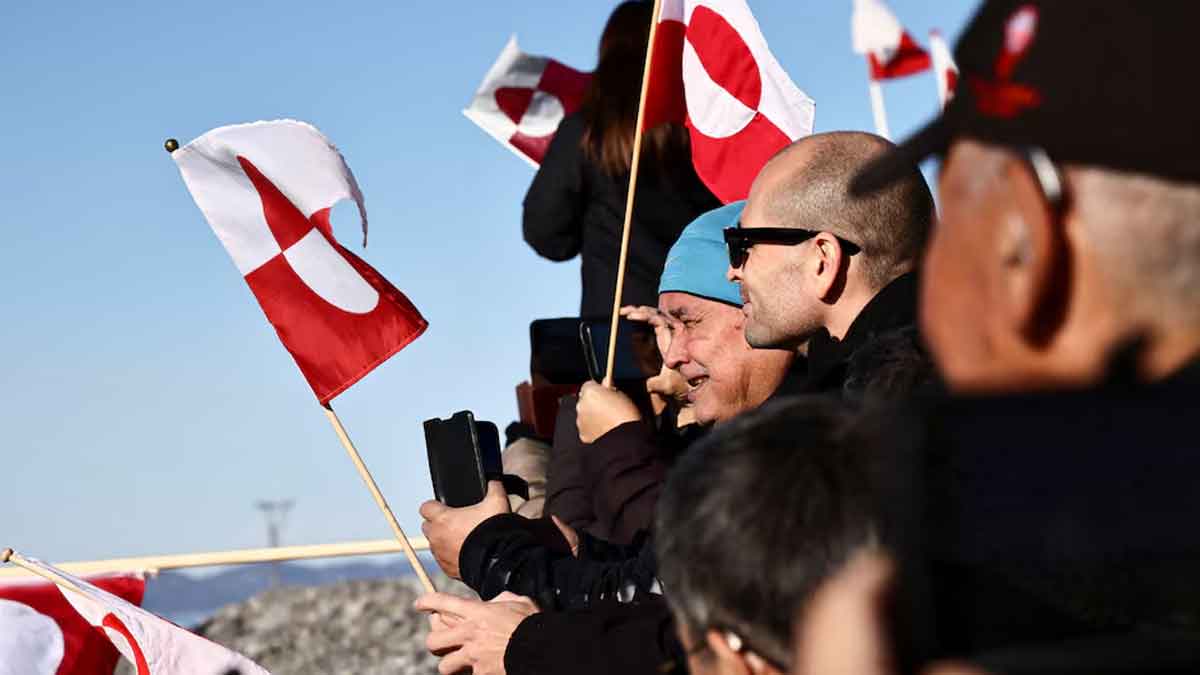
Trump Claims Massive Resource Exploration Will Begin in Greenland
about 5 hours ago · 3 sources

world
Heavy Rainfall Triggers Flooding and Incidents Across Istanbul
about 5 hours ago · 2 sources
PreviousworldTrump Claims No Limits to His Power Amid Historical ContextNextworldHungary Blocks EU's Ukraine Accession Plan Amidst Divisions
Discussion
Leave a comment