worldCovered by 2 Sources
Japan proposes reforms for stable imperial succession amid global tensions
June 19, 2026 at 5:36 PM2 min read

AI Summary
The Japanese government has unveiled a draft proposal aimed at ensuring stable imperial succession, which has become a pressing issue in the context of declining royal family numbers. This proposal includes provisions that would allow female members of the imperial family to remain within the royal fold after marriage, a significant shift from traditional practices. Additionally, the draft suggests the possibility of adopting male heirs from former imperial families, thereby expanding the pool of potential successors. The proposed reforms also stipulate that individuals eligible for adoption must be at least 15 years old. This initiative comes at a time when Japan is grappling with demographic challenges and a declining birthrate, raising concerns about the future of the imperial lineage. The government aims to address these issues through legislative changes to the Imperial Household Law, which governs the royal family. The discussions surrounding this proposal reflect broader societal changes in Japan regarding gender roles and the evolving perception of the monarchy's role in modern society.
World View
2 perspectivesJapan's perspective
Japanese media has highlighted the significance of the government's draft proposal for imperial succession, emphasizing its potential to reshape the future of the monarchy. The proposal's inclusion of provisions for female royals to retain their status post-marriage is seen as a progressive step towards gender equality within the imperial family. Furthermore, the option to adopt male heirs from former imperial families is viewed as a necessary measure to ensure the continuity of the royal lineage amid declining numbers. The discussions surrounding this proposal have sparked a national dialogue about the role of the monarchy in contemporary Japan, with many citizens expressing support for reforms that reflect modern values. However, there are also concerns about the implications of such changes on traditional customs and the identity of the imperial family. As the government prepares to move forward with legislative changes, the outcome of this proposal could have lasting effects on Japan's cultural landscape and the perception of the monarchy in the eyes of the public.
France's perspective
French media has reported on the broader geopolitical context surrounding Japan's proposed reforms for imperial succession, particularly in light of ongoing tensions in the Middle East. The postponement of US-Iran talks and the continued fighting in Lebanon have drawn attention to the instability in global politics, which contrasts with Japan's internal focus on monarchy and succession. The juxtaposition of Japan's legislative efforts with the turmoil in regions like the Middle East highlights the varying challenges faced by nations today. While Japan seeks to modernize its imperial family structure, countries like Iran and Lebanon are grappling with conflict and uncertainty. This divergence in national priorities raises questions about how different societies navigate their historical legacies while addressing contemporary issues. The French perspective underscores the importance of stability and continuity in governance, whether through monarchy or democratic means, and reflects on how Japan's reforms may influence perceptions of monarchy in a global context where traditional structures are often challenged.
Analysis
The perspectives from Japan and France illustrate contrasting national priorities amid global challenges. Japan's focus on reforming its imperial succession reflects a desire to modernize and adapt to changing societal values, particularly regarding gender roles. In contrast, France's coverage emphasizes the geopolitical instability in the Middle East, highlighting how different regions face unique challenges. The juxtaposition of Japan's internal reforms with external conflicts underscores the complexities of governance and tradition in a rapidly changing world. Both perspectives reveal the importance of stability, whether through monarchy or democratic governance, in addressing contemporary issues.
The Hidden Strings
Patterns visible only when every country's coverage is placed side by side — the connections no single source draws.
Vocabulary
Conflict vs Stability Vocabulary
80%
The use of 'continued' and 'fighting' in Cluster B indicates ongoing conflict, while the absence of these terms in Cluster A suggests a focus on stability. In contrast, Cluster A uses '皇位継承' and '皇族数', which convey a sense of succession and family dynamics. This vocabulary string highlights the differing tones and emphases between the two clusters.
Uncertainty and conflict in Middle Eastcontinued fightingStable succession in Japan
Silence
Lebanon's Role in Global Tensions
60%
The absence of Lebanon from Cluster A, despite its mention in the timeline, suggests that the cluster is focusing on a different aspect of global tensions. This silence reveals a potential omission or downplaying of regional conflicts in favor of other issues.
Uncertainty and conflict in Middle EastLebanon
How Each Side Framed It
Stable succession in Japan
Japan
Supports the Japanese government's position
皇位継承皇族数
Uncertainty and conflict in Middle East
France
Neutral/Informative, but slightly critical of US-Iran talks
postponed talkscontinued fighting
What Mainstream Coverage Missed
Angles present in the cross-border material that the dominant coverage buried or skipped.
- The significance of Japan's proposal on imperial succession is often overshadowed by global tensions in the Middle East.
- The impact of declining birthrates and demographic challenges on the future of the Japanese monarchy is rarely discussed.
- The role of Lebanon in regional conflicts is frequently ignored or downplayed in mainstream coverage.
The Beyond the Borders PoV
Mainstream media's framing of Japan's imperial succession proposal reveals a deliberate omission of its domestic implications.
By focusing on global tensions, mainstream coverage neglects the pressing issue of demographic decline and its potential to reshape Japan's monarchy. This silence is consistent with the dominant narrative of global instability, which often prioritizes Western concerns over regional dynamics.
This is our editorial interpretation of the cross-source evidence above, not a report of established fact. The sourced coverage it draws on is listed below.
Disclaimer
The summary and perspectives above are AI-generated from the source articles listed below. They may contain errors or omissions. Always verify with the original sources. Beyond the Borders is a news aggregation platform and does not produce original journalism.
How does this story make you feel?
What each source is saying
2 sourcesTheir Angle
NHK World reports on Japan's draft proposal for imperial succession, focusing on reforms aimed at ensuring stability within the royal family. The coverage highlights the inclusion of provisions for female royals and the adoption of male heirs.
Article Preview
安定的な皇位継承をめぐり、皇族数の確保などに向けて政府が作成した法案の骨子案が明らかになりました。女性皇族が結婚後も皇室に残る案と旧皇族の男系男子を養子に迎える案をともに皇室典範の改正で実現するとしています。また、養子になることができる年齢を15歳以上とすることなどを盛り込んでいます。
More from world
world
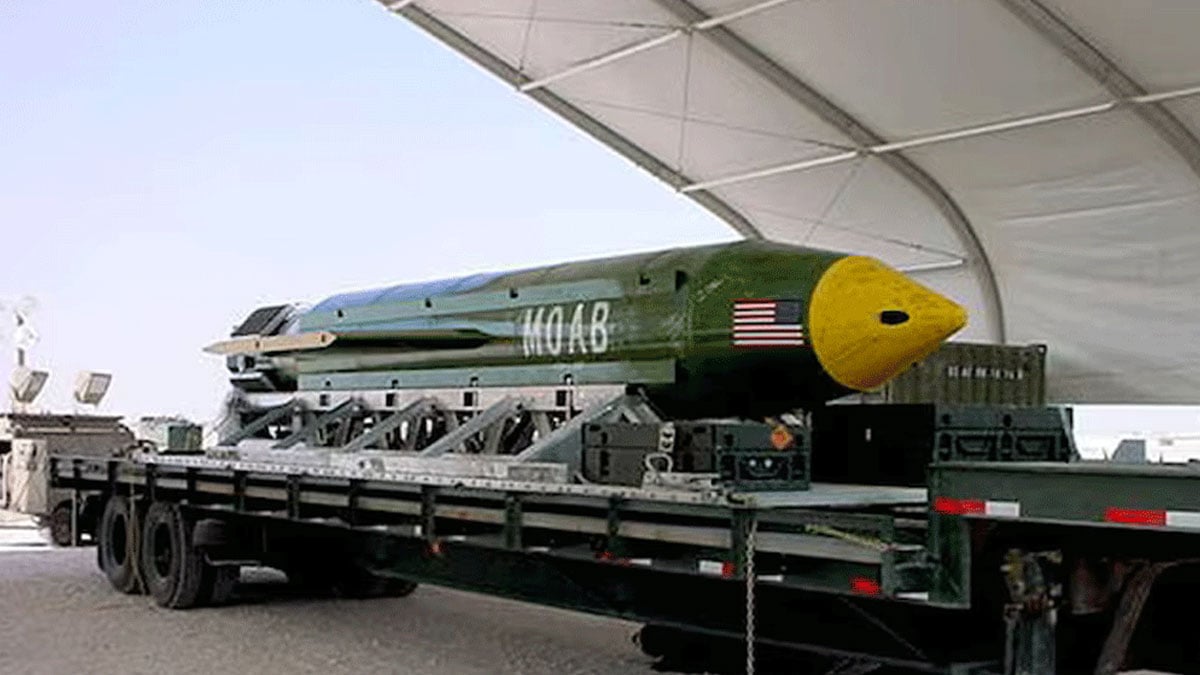
US Considering Use of 'Mother of All Bombs' Against Iranian Infrastructure
about 9 hours ago · 2 sources

world
Global Village Reopens for 31st Season with New Attractions and Cultural Pavilions
about 9 hours ago · 2 sources

world
Russia detains Novaya Gazeta editor Sergei Sokolov in Moscow
about 9 hours ago · 2 sources
PreviousworldTrump Claims Unlimited Power Amid Controversy with Italian PremierNextworldUkraine's Military Strategy Faces Challenges Amid Regional Tensions
Discussion
Leave a comment