worldCovered by 2 Sources
Ukraine's Military Strategy Faces Challenges Amid Regional Tensions
June 19, 2026 at 5:36 PM2 min read

AI Summary
As the conflict in Ukraine continues to evolve, military experts are emphasizing the critical role of ballistic missiles in shaping the outcome of the war against Russia. While Ukrainian drone attacks have demonstrated significant tactical successes, analysts argue that only the introduction of ballistic missiles can compel Russia to reassess its military objectives. This perspective highlights the ongoing struggle for Ukraine to enhance its military capabilities in the face of a formidable adversary. The situation remains fluid, with both sides adapting their strategies in response to the changing dynamics of the battlefield. The urgency for Ukraine to secure more advanced weaponry is underscored by the need to maintain pressure on Russian forces and to deter further aggression. As the international community watches closely, the implications of these developments extend beyond the immediate conflict, influencing geopolitical stability in the region and the broader global landscape. The stakes are high, and the outcome of this military engagement could have lasting repercussions for both Ukraine and its allies.
World View
1 perspectiveUSA's perspective
The New York Times reports on the strategic importance of ballistic missiles in Ukraine's military efforts against Russia. Experts suggest that while drone attacks have provided tactical advantages, they lack the capacity to fundamentally alter Russia's strategic calculations. The article emphasizes that without ballistic missiles, Ukraine may struggle to achieve a decisive impact on the battlefield. This perspective reflects a broader understanding of the military balance in the region, where advanced weaponry could shift the tide of the conflict. The U.S. and its allies are urged to consider the implications of providing such capabilities to Ukraine, as it could not only enhance Ukraine's defensive posture but also send a strong message to Russia regarding the consequences of its aggression. The ongoing discussions about military support highlight the complexities of international relations and the need for a coordinated response to ensure stability in Eastern Europe.
Analysis
The perspectives from the New York Times underscore the critical need for advanced military capabilities in Ukraine's ongoing conflict with Russia. The emphasis on ballistic missiles reflects a consensus among military experts that Ukraine's current strategies may not be sufficient to compel a change in Russian tactics. This situation is further complicated by the geopolitical implications of military support from the U.S. and its allies, which could escalate tensions in the region. The focus on military readiness and the potential for increased support illustrates the delicate balance of power in Eastern Europe, where the outcomes of such conflicts can have far-reaching effects on international relations and security.
The Hidden Strings
Patterns visible only when every country's coverage is placed side by side — the connections no single source draws.
Vocabulary
Global Economic Uncertainty vs Military Advantage
80%
The use of 'uncertainty' and 'tensions' in Global economic uncertainty cluster contrasts with their absence in Ukraine's military advantage cluster, highlighting a differing narrative focus. This vocabulary string reveals the distinct priorities of each cluster.
Global economic uncertainty: uncertainty, tensions; Ukraine's military advantage: ballistic missiles
Silence
Missing Details on Economic Impact
60%
The Global economic uncertainty cluster mentions the 'Middle East Risks' and an 'improved outlook', but these details are absent in Ukraine's military advantage cluster. This silence reveals a lack of attention to economic consequences in the military narrative.
Global economic uncertainty: Middle East Risks, improved outlook; Ukraine's military advantage: no mention
How Each Side Framed It
Ukraine's military advantage
USA
Favors Ukraine's position
ballistic missilesbreakthroughs
Global economic uncertainty
USA
Neutral, but slightly cautious of India's position
uncertaintytensionseconomic outlook
What Mainstream Coverage Missed
Angles present in the cross-border material that the dominant coverage buried or skipped.
- The lack of attention to economic consequences in Ukraine's military strategy
- The absence of a critical analysis of Russia's motivations and strategic calculations
The Beyond the Borders PoV
Ukraine's military advantage is a thinly veiled attempt to distract from the West's own vulnerabilities in the face of rising global tensions.
The dominant narrative on Ukraine's military strategy overlooks the elephant in the room: the West's own economic uncertainty and its implications for global stability. By focusing solely on Ukraine's military capabilities, we risk overlooking the real drivers of conflict , namely, the shifting balance of power between nations. The silence on this point is telling, revealing a media landscape more concerned with promoting a particular narrative than seeking truth.
This is our editorial interpretation of the cross-source evidence above, not a report of established fact. The sourced coverage it draws on is listed below.
Disclaimer
The summary and perspectives above are AI-generated from the source articles listed below. They may contain errors or omissions. Always verify with the original sources. Beyond the Borders is a news aggregation platform and does not produce original journalism.
How does this story make you feel?
What each source is saying
2 sourcesTheir Angle
The New York Times highlights the necessity of ballistic missiles for Ukraine to effectively challenge Russia's military objectives. It argues that while drone attacks have been effective, they are insufficient for a strategic shift.
Article Preview
Ukrainian drone attacks have achieved breakthroughs, but only ballistic missiles can push Russia to reconsider its war objectives, military experts and officials say.
More from world
world
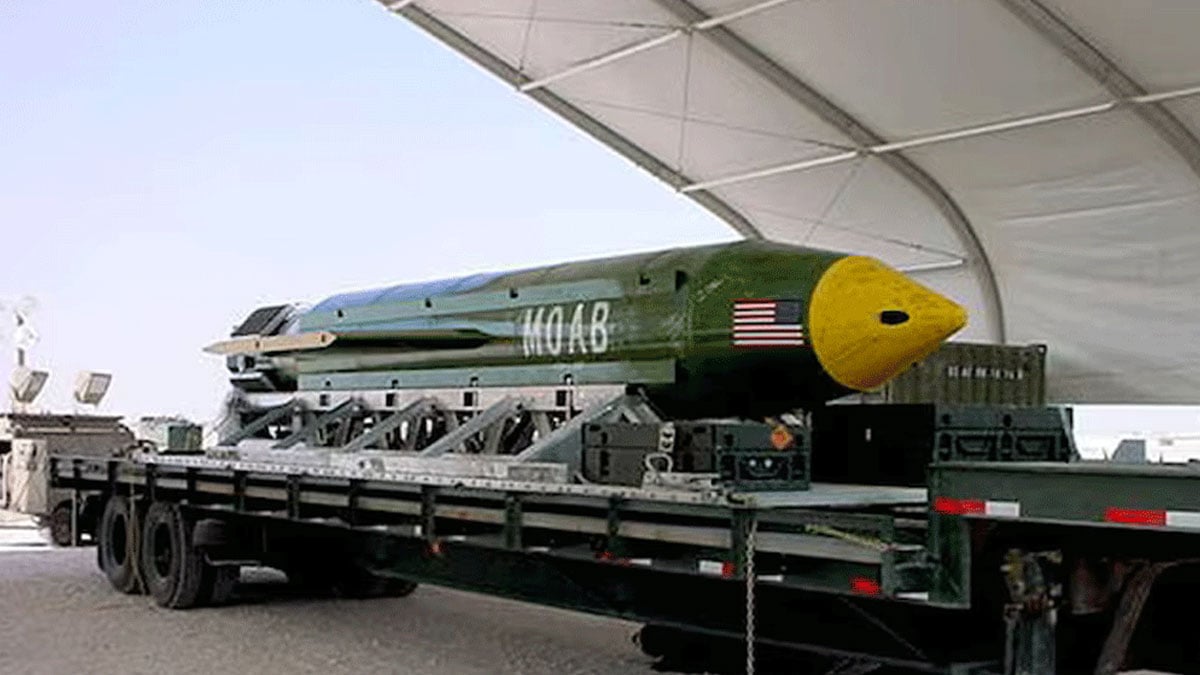
US Considering Use of 'Mother of All Bombs' Against Iranian Infrastructure
about 8 hours ago · 2 sources

world
Global Village Reopens for 31st Season with New Attractions and Cultural Pavilions
about 8 hours ago · 2 sources

world
Russia detains Novaya Gazeta editor Sergei Sokolov in Moscow
about 8 hours ago · 2 sources
PreviousworldJapan proposes reforms for stable imperial succession amid global tensionsNextworldNEET UG Re-Exam 2026 Mock Drill Set for Tomorrow Across India
Discussion
Leave a comment