BJP Veteran L. K. Advani Discharged from Delhi Hospital After Health Improvement
October 19, 2026 at 3:22 PM1 min read

AI Summary
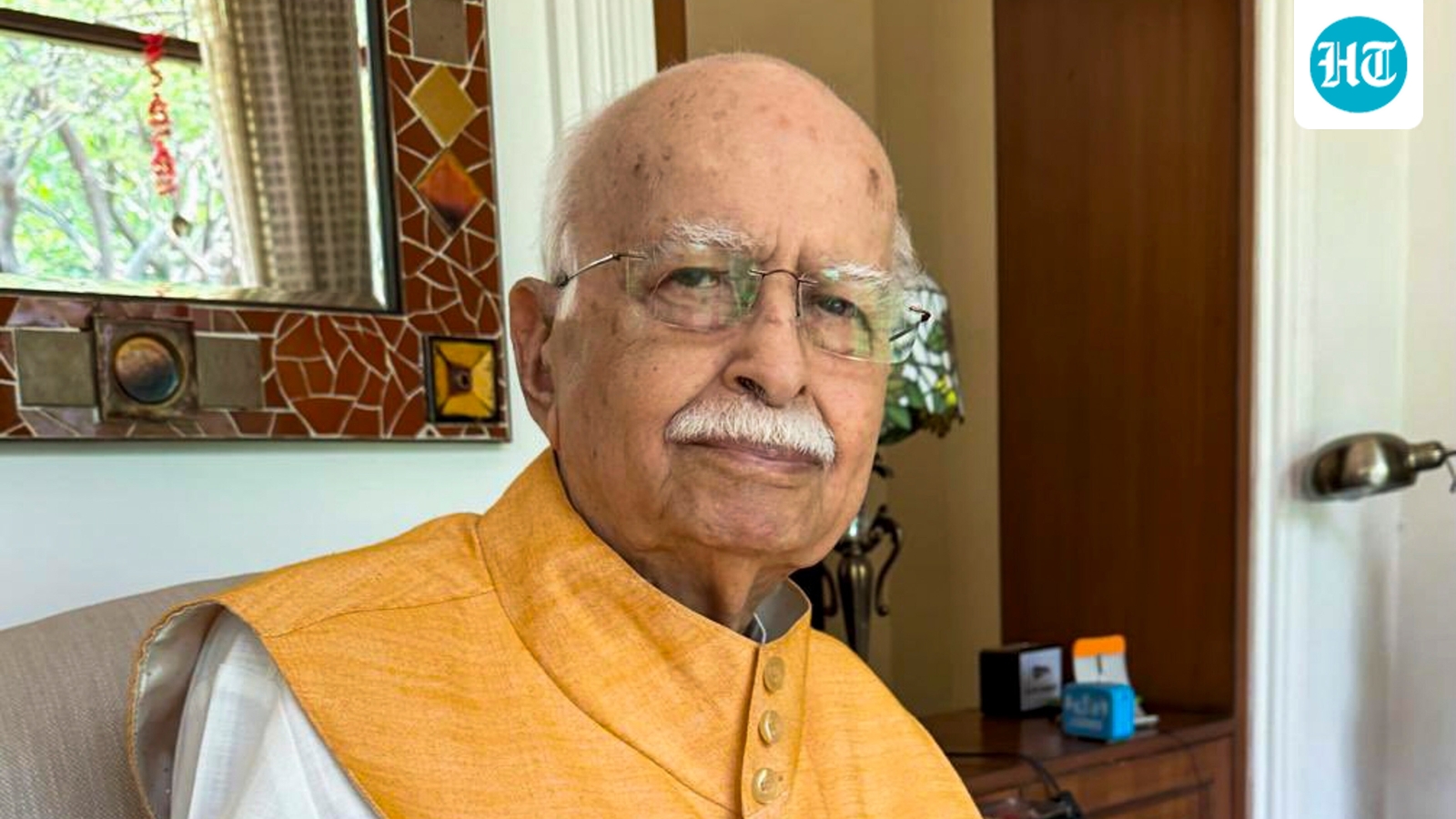
BJP veteran leader L. K. Advani, 98, was discharged from Indraprastha Apollo Hospital in Delhi on Monday after showing improvement in his medical condition. Advani was admitted to the hospital on October 16 due to a chest infection and pulmonary complications. The hospital stated that he was under the care of Dr Vinit Suri, Senior Consultant , Neurology. Advani had been under close medical observation, including time in the intensive care unit. The hospital's statement confirmed his discharge and improvement in his status.
World View
1 perspectiveIndia's perspective
Hindustan TimesThe HinduTimes of India
BJP veteran leader L. K. Advani, 98, was discharged from Indraprastha Apollo Hospital in Delhi on Monday after showing improvement in his health. He had been admitted on October 16 due to a chest infection and pulmonary complications. The hospital confirmed his discharge and stated that he was under the care of Dr Vinit Suri, a Senior Consultant in Neurology. The reports detail that Advani remained under close medical observation, including time in the intensive care unit. The coverage also provides background on Advani's political career, noting his roles as BJP president and former deputy prime minister.
The Hidden Strings
Patterns visible only when every country's coverage is placed side by side — the connections no single source draws.
Vocabulary
The Vocabulary String: Medical Specificity vs. Political Status
95%
The reporting clusters demonstrate a clear split in vocabulary focus. Some sources prioritize highly technical medical jargon (e.g., 'pulmonary complications,' 'admitted to indraprastha apollo hospital'), while others emphasize the political stature of the individual (e.g., 'bjp stalwart,' 'former deputy prime minister'). This suggests that sources are tailoring their narrative to their core audience, choosing between medical authority and political relevance.
Detailed medical status report (vocabulary: pulmonary complications, improvement in health)Political status update with medical context (vocabulary: bjp stalwart, former deputy prime minister)Institutional and professional medical update (vocabulary: admitted to indraprastha apollo hospital, medical condition improved)
Timing
The Staggered Narrative Build-up
90%
The publication timeline shows a staggered release of information, starting with brief, general updates (ANI News at 00:00). The narrative gradually gains complexity and detail as the day progresses, with later reports (The Hindu, Hindustan Times) adding more specific context, such as the nature of the illness or the specific hospital details. This suggests a controlled, phased release of information.
2026-10-19T00:00 India ANI News: Veteran BJP leader Advani discharged from hospital after 3 days2026-10-19T07:15 India The Hindu: BJP veteran leader L. K. Advani discharged from Delhi hospital after improvement in health2026-10-19T07:41 India Hindustan Times: Veteran BJP leader LK Advani, admitted to Delhi hospital over chest infection, discharged after improvement in health
Silence
The Silence on Initial Diagnosis
85%
Across most clusters, the narrative focuses heavily on the *improvement* and the *discharge* status. However, the specific, detailed medical reason for the initial hospitalization is largely absent, with the exception of the Hindustan Times cluster which mentions 'chest infection.' This collective omission of the initial, specific diagnosis creates a narrative void that the sources do not fill.
The Hindu (focus on improvement in health)Official hospital statement relay (focus on shown improvement)Economic Times (focus on medical condition improved)Hindustan Times (only source mentioning 'chest infection')
How Each Side Framed It
Detailed medical status report
India
Neutral; provides comprehensive medical details and timeline.
pulmonary complicationsadmitteddischargedimprovement in health
Political status update with medical context
India
Neutral; balances the medical update with the figure's political stature.
bjp stalwartformer deputy prime ministerunder medical observation
Official hospital statement relay
India
Neutral; attributes the information directly to the medical institution.
shown improvementhospital saidunder the care of
Institutional and professional medical update
India
Neutral; uses formal, professional language emphasizing medical logistics.
senior consultant in neumedical condition improvedadmitted to indraprastha apollo hospital
Concise official statement summary
India
Neutral; minimizes detail and relies solely on the hospital's statement.
in a statementshown improvementveteran bjp leader
What Mainstream Coverage Missed
Angles present in the cross-border material that the dominant coverage buried or skipped.
- The consistent omission of the specific, detailed initial diagnosis creates a narrative void, focusing only on the improvement and discharge status.
- The reporting demonstrates a clear, deliberate split in vocabulary focus, oscillating between highly technical medical jargon and the individual's political stature.
- The staggered publication timeline suggests a controlled, phased release of information, allowing the narrative to build complexity only after initial, general updates are released.
The Beyond the Borders PoV
The media coverage is not reporting on a medical recovery; it is executing a controlled political narrative designed to manage public optics.
The persistent contrast between the 'Institutional medical update' and the 'Political status update' reveals the true incentive: narrative control. The consistent silence on the initial, specific diagnosis is the most telling pattern. The media's primary function here is not to inform, but to manage the political fallout of a high-profile figure's health. By emphasizing the discharge and improvement, sources prioritize the political narrative over medical transparency. This pattern suggests that the institutional goal is to normalize the event, ensuring the focus remains on the figure's return to public life, rather than the complexities of his illness. The pattern suggests the political utility of the story outweighs the journalistic duty to report the full medical truth.
This is our editorial interpretation of the cross-source evidence above, not a report of established fact. The sourced coverage it draws on is listed below.
Disclaimer
The summary and perspectives above are AI-generated from the source articles listed below. They may contain errors or omissions. Always verify with the original sources. Beyond the Borders is a news aggregation platform and does not produce original journalism.
How does this story make you feel?
What each source is saying
5 sourcesTheir Angle
The article reports that BJP veteran Lal Krishna Advani, 98, was discharged from Apollo Hospital on Monday after being admitted on October 16 with a chest infection. It quotes a hospital statement confirming his improvement in medical status and care by Dr Vinit Suri.
Full Article
Bharatiya Janata Party (BJP) veteran leader Lal Krishna Advani, who was admitted to Delhi’s Apollo Hospital late Friday evening after complaining of a chest infection, was discharged from the hospital on Monday. In a statement, the hospital said the 98-year-old leader had shown improvement in his medical condition.“Mr LK Advani, who was admitted to Apollo Hospitals on 16th October with a chest infection, is being discharged today. He has been under the care of Dr Vinit Suri, Senior Consultant – Neurology and has shown improvement in his medical status,” the statement read. Advani was last admitted to Apollo Hospital in May this year for age-related health concerns. He stayed there for a few days before being discharged. The BJP veteran served as the party's president for three terms: 1986-1990, 1993-1998 and 2004-2005. He was Union home minister from 1998 to 2004 and deputy prime minister from 2002 to 2004 in the National Democratic Alliance (NDA) government led by Atal Bihari Vajpayee. Advani's previous health issuesIn December 2024, he was admitted to the intensive care unit (ICU) at Indraprastha Apollo Hospital for treatment and medical investigations. He was under the care of neurologist Dr Vinit Suri. The hospital had said at the time that his condition was stable. In July 2024, he was admitted to Apollo Hospital after being discharged from the All India Institute of Medical Sciences (AIIMS), where he had spent the night.
More from health


PreviousbusinessSyria and World Bank to set up recovery and rebuilding fundNextbusinessRussia and Iran Plan to Expand Economic Cooperation and Trade Routes
Discussion
Leave a comment