worldCovered by 2 Sources
China and North Korea Open New Yalu River Bridge After 12-Year Delay
October 15, 2026 at 2:05 PM1 min read

AI Summary
China and North Korea opened a new four-lane road bridge on Thursday, October 15, creating a major new route for cross-border trade. The bridge, located at the Yalu River, was reported to be finally operational, concluding a 12-year delay. The opening marks a significant development for cross-border trade between the two nations. The sources confirm the bridge's opening and the duration of the delay.
World View
2 perspectivesEU's perspective
Euronews
China and North Korea opened a new four-lane road bridge on Thursday, 15 October, ending a 12-year delay and creating a major new route for cross-border trade.
Germany's perspective
DW (Deutsche Welle)
China and North Korea opened a new four-lane road bridge on Thursday, October 15, creating a major new route for cross-border trade. The bridge, located at the Yalu River, was reported to be finally operational, concluding a 12-year delay. The opening marks a significant development for cross-border trade between the two nations. The sources confirm the bridge's opening and the duration of the delay.
Analysis
Both Euronews and DW report that the New Yalu River Bridge between China and North Korea opened on Thursday, October 15, after a 12-year delay. Euronews specifies that the bridge is a four-lane road bridge.
The Hidden Strings
Patterns visible only when every country's coverage is placed side by side — the connections no single source draws.
Vocabulary
The Economic vs. Diplomatic Vocabulary Split
100%
The sources employ entirely distinct vocabularies to describe the same event. Cluster A emphasizes material progress using terms like 'four-lane road bridge,' 'major new route,' and 'cross-border trade,' framing the event through an economic lens. Conversely, Cluster B uses diplomatic language such as 'warming ties,' 'latest sign,' and 'finally operational,' suggesting the primary significance is political reconciliation rather than commerce.
Cluster A: 'four-lane road bridge', 'cross-border trade', 'major new route'Cluster B: 'warming ties', 'finally operational', 'latest sign'Contrast Table: 'cross-border trade' vs. 'warming ties'
Silence
The Silence on Geopolitical Stakes
95%
While Cluster B highlights the diplomatic significance ('latest sign,' 'warming ties'), it is silent on the massive economic scale of the infrastructure, omitting terms like 'major new route' or 'cross-border trade.' Conversely, Cluster A, while detailing the economic benefits, is silent on the underlying political tension or the diplomatic breakthrough, ignoring the 'latest sign' of improved relations.
Cluster A: Focus on economic development and trade (omits diplomatic context)Cluster B: Focus on improving diplomatic relations (omits economic scale)Vocabulary Contrast: 'cross-border trade' (A) vs. 'latest sign' (B)
Source
Source Alignment and Narrative Segmentation
90%
The narrative is segmented by the source's geographical alignment. The EU-aligned source (Euronews) focuses on the material, tangible benefits of the infrastructure, while the Germany-aligned source (DW) focuses on the geopolitical implications and the improvement of bilateral relations. This suggests that the framing of the event is tailored to the expected interests of the respective regional audiences.
Cluster A: EU; Euronews; vocabulary: cross-border tradeCluster B: Germany; DW (Deutsche Welle); vocabulary: warming tiesPublication Timeline: Source/Country alignment
How Each Side Framed It
Focus on economic development and trade
EU
Neutral, emphasizing the logistical and commercial impact.
four-lane road bridgemajor new routecross-border trade
Focus on improving diplomatic relations
Germany
Positive, interpreting the event as a sign of political rapprochement.
finally operationallatest signwarming ties
What Mainstream Coverage Missed
Angles present in the cross-border material that the dominant coverage buried or skipped.
- The sources reveal a deliberate vocabulary split, where one cluster uses purely economic terms ('major new route') while the other uses purely diplomatic language ('warming ties').
- The diplomatic framing (Germany) is silent on the massive economic scale of the infrastructure, omitting terms like 'cross-border trade.'
- Conversely, the economic framing (EU) is silent on the underlying political tension or the diplomatic breakthrough, ignoring the 'latest sign' of improved relations.
The Beyond the Borders PoV
The Question
China and North Korea should prioritize the development of cross-border infrastructure, such as the Yalu River bridge, to maximize economic cooperation and trade between the two nations.
China and North Korea should prioritize the development of cross-border infrastructure to maximize economic cooperation and trade.
The recent opening of a new four-lane road bridge between China and North Korea, which ended a 12-year delay, establishes a major new route for cross-border trade. Furthermore, the operational status of the New Yalu River Bridge is viewed as a sign of warming ties between the two nations. These developments demonstrate that infrastructure investment directly facilitates both economic connectivity and diplomatic normalization.
The completion of new infrastructure, such as the four-lane road bridge, immediately creates a major new route for cross-border trade, making such development a necessary step for maximizing economic exchange.
The operational status of existing major crossings, like the New Yalu River Bridge, suggests that infrastructure development serves a function beyond mere commerce, acting as a visible sign of warming diplomatic ties and cooperation.
Overcoming long-standing delays, such as the 12-year delay in opening the new road bridge, proves that prioritizing cross-border infrastructure development is crucial for overcoming historical barriers and accelerating economic integration.
These are AI-generated arguments built from the evidence available across the source material. They do not imply that any publisher endorses either position.
Disclaimer
The summary and perspectives above are AI-generated from the source articles listed below. They may contain errors or omissions. Always verify with the original sources. Beyond the Borders is a news aggregation platform and does not produce original journalism.
How does this story make you feel?
What each source is saying
2 sourcesTheir Angle
China and North Korea opened a new four-lane road bridge on Thursday, October 15. This opening ended a 12-year delay and established a major new route for cross-border trade.
Article Preview
China and North Korea opened a new four-lane road bridge on Thursday, 15 October, ending a 12-year delay and creating a major new route for cross-border trade.
More from world
world
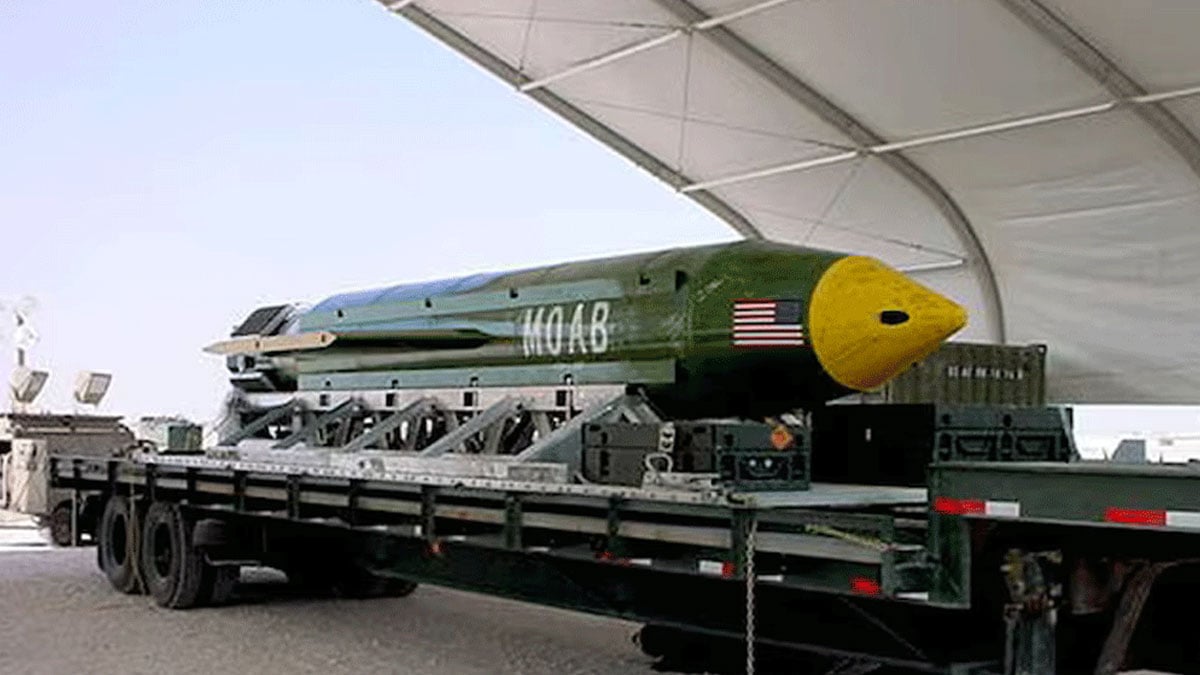
US Considering Use of 'Mother of All Bombs' Against Iranian Infrastructure
about 2 hours ago · 2 sources

world
Global Village Reopens for 31st Season with New Attractions and Cultural Pavilions
about 2 hours ago · 2 sources

world
Russia detains Novaya Gazeta editor Sergei Sokolov in Moscow
about 2 hours ago · 2 sources
Discussion
Leave a comment