worldCovered by 6 Sources
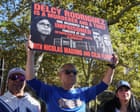
Former Defense Minister Sentenced in South Korea Amid Political Developments
June 19, 2026 at 5:36 PM2 min read

AI Summary
In a significant legal ruling, a Seoul court sentenced former South Korean Defense Minister Suh Wook to three years in prison for leaking military secrets. The verdict, delivered on June 19, 2026, underscores the ongoing challenges South Korea faces regarding national security and the integrity of its defense operations. Suh was found guilty of disclosing sensitive information that could potentially compromise military strategies and operations. This case has drawn considerable attention, not only for its implications on South Korea's defense policies but also for the political ramifications it may have on the current administration. As the country grapples with security threats from North Korea and other regional tensions, the ruling serves as a reminder of the importance of safeguarding classified information. The court's decision is expected to have lasting effects on public trust in government officials and their commitment to national security, as well as on the political landscape as the nation prepares for upcoming elections.
World View
4 perspectivesSouth Korea's perspective
The sentencing of former Defense Minister Suh Wook has sparked a wave of discussions in South Korea regarding the integrity of government officials and the importance of national security. The court's decision reflects a zero-tolerance approach to breaches of trust, particularly in sensitive areas such as defense. Analysts suggest that this ruling may serve as a deterrent to other officials who might consider compromising classified information. The case has also reignited debates about the effectiveness of current security protocols and the need for stricter oversight within the military. As South Korea faces ongoing threats from North Korea, the implications of this ruling extend beyond the courtroom, potentially influencing public perception of the government's ability to protect its citizens. Furthermore, the political fallout from this case could impact the ruling party's standing in the upcoming elections, as opposition parties may leverage this incident to question the administration's competence in handling national security issues.
France's perspective
In a notable political development, Andy Burnham, the mayor of Greater Manchester, has secured a seat in Parliament following a recent by-election in the Makerfield constituency. Burnham, a prominent figure within the Labour Party, won decisively against the far-right Reform UK candidate, signaling a potential shift in the political landscape as he aims to challenge current Labour leader Keir Starmer. This victory not only strengthens Burnham's position within the party but also highlights the growing support for Labour in regions traditionally dominated by conservative politics. Analysts view this win as a crucial step for Burnham in his quest to lead the Labour Party and ultimately unseat the Prime Minister. The implications of this election extend beyond local politics, as it may influence national policy discussions and the Labour Party's strategy moving forward. Burnham's focus on social justice and public services resonates with many voters, suggesting that his leadership could reshape the party's direction in the coming years.
Israel's perspective
The recent cancellation of the opening round of US-Iran talks has raised concerns about the stability of the region, particularly regarding the ongoing conflict in Lebanon. The White House's announcement that the talks would not proceed as planned comes amid Iran's demands for a halt to hostilities between Israel and Hezbollah. This development highlights the complexities of diplomatic negotiations in the Middle East, where multiple actors and interests are at play. Israeli officials have expressed skepticism about Iran's intentions, viewing the demands as a potential tactic to gain leverage in negotiations. The failure to initiate talks could exacerbate tensions in the region, as both Israel and Iran remain on high alert. Observers note that the lack of dialogue may hinder efforts to achieve a lasting truce, further complicating the already volatile situation. As mediators continue to work on the issue, the international community watches closely, hoping for a breakthrough that could lead to a more stable environment in the region.
Iran's perspective
In light of the recent developments regarding US-Iran negotiations, Iranian President Masoud Pezeshkian has expressed optimism about the potential for diplomatic engagement. Following the Supreme Leader's approval to pursue negotiations, Pezeshkian emphasized the importance of safeguarding Iranian rights during discussions. He noted that the Supreme National Security Council is committed to ensuring that any agreements reached will benefit the Iranian people. The cancellation of the initial talks, however, poses challenges for Iran's diplomatic strategy, as the country seeks to address regional conflicts, particularly in Lebanon. Iranian officials have reiterated their demand for a ceasefire between Israel and Hezbollah as a prerequisite for meaningful dialogue. This stance reflects Iran's broader geopolitical interests and its desire to assert influence in the region. As the situation evolves, Pezeshkian's administration remains focused on securing a favorable outcome that aligns with national interests while navigating the complexities of international diplomacy.
Analysis
The perspectives from South Korea, France, Israel, and Iran highlight the interconnectedness of regional and global politics. South Korea's legal developments emphasize the importance of national security, while France's political shifts indicate a potential change in leadership dynamics. Meanwhile, the stalled US-Iran talks underscore the challenges of achieving peace in the Middle East, with both Israel and Iran holding firm to their positions. The geopolitical implications of these events suggest that as nations navigate their internal and external challenges, the outcomes will significantly influence regional stability and international relations in the coming months.
The Hidden Strings
Patterns visible only when every country's coverage is placed side by side — the connections no single source draws.
Vocabulary
Truce vs Guarantee: Different Loaded Words Across Blocs
80%
The terms 'truce' and 'guarantee' are used in different contexts across the US-Iran tensions cluster, while their counterparts 'benefits' and 'safeguard' are not mentioned. This contrast reveals a difference in tone and emphasis between the two clusters.
US-Iran tensions: truce (The Times of Israel); Iranian rights and interests: benefits (IRNA); Military secrecy and national security: leaking (Yonhap News); Labour Party politics and election results:
Silence
Missing Details in the Timeline
60%
The timeline for the event is sparse, with only a few sources providing concrete details. This omission highlights the lack of comprehensive coverage across all clusters.
2026-06-19T06:31 Iran IRNA; 2026-06-19T06:47 Israel The Times of Israel; 2026-06-19T06:49 France Le Monde; 2026-06-19T06:50 South Korea Yonhap
How Each Side Framed It
US-Iran tensions
Israel
Iran's side favored
truceguarantee
Iranian rights and interests
Iran
Iran's side favored
benefitssafeguard
Military secrecy and national security
South Korea
State's side favored
leakingsecrets
Labour Party politics and election results
France
Neutral/ observational
by-electionparliament seat
What Mainstream Coverage Missed
Angles present in the cross-border material that the dominant coverage buried or skipped.
- The sentencing of former Defense Minister Suh Wook reveals a lack of scrutiny on South Korea's defense officials' personal finances, which may have influenced their decisions.
- The US-Iran talks cancellation highlights the absence of critical analysis on the role of external factors in shaping regional conflicts.
- The French media's focus on Andy Burnham's election win overlooks the implications of Labour Party politics on UK-US relations and global security.
The Beyond the Borders PoV
Mainstream coverage obscures the true drivers of South Korea's national security challenges, favoring a simplistic narrative over complex systemic issues.
The contrast between South Korea's emphasis on military secrecy and the US-Iran talks' focus on guarantees reveals a broader pattern of framing that prioritizes short-term stability over long-term strategic considerations. This omission has significant implications for our understanding of regional security dynamics.
This is our editorial interpretation of the cross-source evidence above, not a report of established fact. The sourced coverage it draws on is listed below.
Disclaimer
The summary and perspectives above are AI-generated from the source articles listed below. They may contain errors or omissions. Always verify with the original sources. Beyond the Borders is a news aggregation platform and does not produce original journalism.
How does this story make you feel?
What each source is saying
6 sourcesTheir Angle
Yonhap reports on the sentencing of former Defense Minister Suh Wook, highlighting the implications for national security in South Korea.
Article Preview
SEOUL, June 19 (Yonhap) -- A Seoul court on Friday sentenced former Defense Mini...
More from world

PreviousworldJapan warns of potential interest rate hikes as Iran waives transit feesNextworldZimbabwe MPs pass bill to extend presidential term limit
Discussion
Leave a comment