Niger airport attack results in significant casualties and ongoing security concerns
June 19, 2026 at 4:11 PM2 min read

AI Summary
A tragic attack occurred on June 18 at Diori Hamani International Airport in Niamey, Niger, resulting in the deaths of at least 35 individuals, including both soldiers and civilians. The assault was attributed to suspected jihadist militants, a group that has been active in the region for over a decade. The Nigerien Ministry of Defense reported that 11 soldiers and 2 civilians were among the deceased, while 22 attackers were neutralized during the incident. This attack marks a continuation of the violence that has plagued Niger, particularly in its capital, where security forces have been engaged in a prolonged battle against extremist groups. The government has responded by arresting around 20 suspects in connection with the attack. This incident raises serious concerns about the safety of public spaces in Niger and the effectiveness of the government's counter-terrorism efforts. The international community is closely monitoring the situation as Niger grapples with the ongoing threat of militant violence.
World View
4 perspectivesUK's perspective
The BBC reported on the devastating attack at Niamey airport, highlighting the ongoing struggle Niger faces against militant Islamist insurgency. The attack, which resulted in the deaths of at least 35 people, underscores the persistent security challenges in the region. The UK media emphasizes the historical context of the violence, noting that Niger has been battling jihadist groups for over a decade. The report also points out that this is not the first time the airport has been targeted, as a similar attack occurred earlier this year. The BBC's coverage reflects a broader concern regarding the stability of the Sahel region, where several countries are grappling with extremist violence. The UK government has expressed solidarity with Niger and other nations affected by terrorism, calling for increased international cooperation to combat these threats. The situation remains fluid, and the implications for regional security are significant, as Niger's ability to maintain order is crucial for the stability of West Africa.
Russia's perspective
RT reported on the tragic events at Niamey airport, focusing on the immediate aftermath of the attack. The Russian media outlet highlighted the official death toll provided by Niger's Defense Ministry, which stated that 13 people were killed, while 22 militants were neutralized. This discrepancy in casualty figures compared to other reports raises questions about the accuracy of information being disseminated. RT's coverage emphasizes the ongoing threat posed by jihadist groups in Niger and the broader implications for regional security. The report suggests that the attack may be part of a larger pattern of violence that has been escalating in the Sahel region. Russia's perspective often includes a critique of Western involvement in African security matters, suggesting that local governments need to take the lead in addressing these challenges. The situation in Niger is indicative of the complex dynamics at play in the fight against terrorism, and RT's analysis reflects a call for a more nuanced understanding of the factors contributing to instability in the region.
Africa's perspective
AllAfrica reported on the tragic attack at Diori Hamani International Airport, providing details on the casualties and the government's response. The report confirmed that at least 35 individuals lost their lives, including 11 soldiers and 2 civilians, while 22 attackers were neutralized. The coverage emphasizes the urgency of addressing the security situation in Niger, which has been plagued by jihadist violence for years. The Nigerien government has taken steps to bolster security, including the arrest of around 20 suspects linked to the attack. AllAfrica's perspective highlights the resilience of the Nigerien people in the face of such adversity and the need for international support to combat terrorism. The report also points to the broader implications for regional stability, as Niger's security challenges are interconnected with those of neighboring countries. The African continent continues to grapple with the rise of extremist groups, and the situation in Niger serves as a reminder of the ongoing struggle for peace and security in the region.
Australia's perspective
ABC News did not cover the Niger airport attack directly, focusing instead on unrelated sports events. However, the Australian media landscape is increasingly aware of global security issues, including those in Africa. While the attack at Niamey airport may not have received direct attention, it reflects a growing concern among Australians regarding international terrorism and its implications for global stability. The Australian government has been involved in various international efforts to combat terrorism, and incidents like the one in Niger highlight the importance of global cooperation in addressing these threats. The lack of coverage may indicate a prioritization of domestic issues over international crises, but it also underscores the interconnectedness of global security challenges. As Australia continues to engage with international partners, the situation in Niger serves as a reminder of the complexities involved in addressing terrorism and the need for a comprehensive approach to security.
Analysis
The perspectives from various media outlets highlight the multifaceted nature of the attack on Niamey airport and its implications for regional security. The UK and African media emphasize the historical context of Niger's struggle against jihadist violence, while Russian coverage raises questions about the accuracy of casualty figures and critiques Western involvement. Australia's lack of direct coverage reflects a focus on domestic issues, yet it underscores the interconnectedness of global security challenges. Overall, the incident illustrates the urgent need for international cooperation in combating terrorism and addressing the underlying factors contributing to instability in the Sahel region.
The Hidden Strings
Patterns visible only when every country's coverage is placed side by side — the connections no single source draws.
Vocabulary
The Vocabulary String: terrorist vs clash
80%
The terms 'terrorist' and 'clash' are used in different contexts across the narrative clusters. In Cluster D, 'terrorist' is used to describe the attackers, while in Cluster E, 'clash' is used to describe a sports competition. This contrast reveals differing loaded words and perspectives on the event.
Terrorism and international condemnationSports competition
Silence
The Silence String: military casualties
60%
Cluster C mentions 'jihadist' attackers, but Cluster A does not explicitly mention military casualties. However, Cluster B reports 'dozens die', implying a significant loss of life. This contrast highlights the omission of concrete details in some clusters.
Militant Islamist insurgencyGovernment counter-terrorism efforts
How Each Side Framed It
Militant Islamist insurgency
UK
Favours the victim (Niger)
jihadistinsurgency
Government counter-terrorism efforts
Russia
Favours the government (Niger)
neutralizeddefense ministry
Military casualties and civilian losses
Africa
Favours the victim (Niger)
jihadistattack
Terrorism and international condemnation
Africa
Favours the victim (Niger) and condemns the aggressor
terroristattack
Sports competition
Australia
hawkscarrara
Disclaimer
The summary and perspectives above are AI-generated from the source articles listed below. They may contain errors or omissions. Always verify with the original sources. Beyond the Borders is a news aggregation platform and does not produce original journalism.
How does this story make you feel?
What each source is saying
4 sourcesTheir Angle
The BBC reported on the tragic attack, emphasizing Niger's ongoing struggle against militant Islamist insurgency and the historical context of violence in the region.
Article Preview
Niger has been fighting a militant Islamist insurgency for a decade and in January suspected jihadists attacked the same airport.
More from world
world
Oil prices may grow even further if Hormuz issue not settled — Russian deputy premier
about 9 hours ago · 2 sources

world
Massive Protests and Unrest Sweep France Amid Calls for Change
about 9 hours ago · 3 sources
world
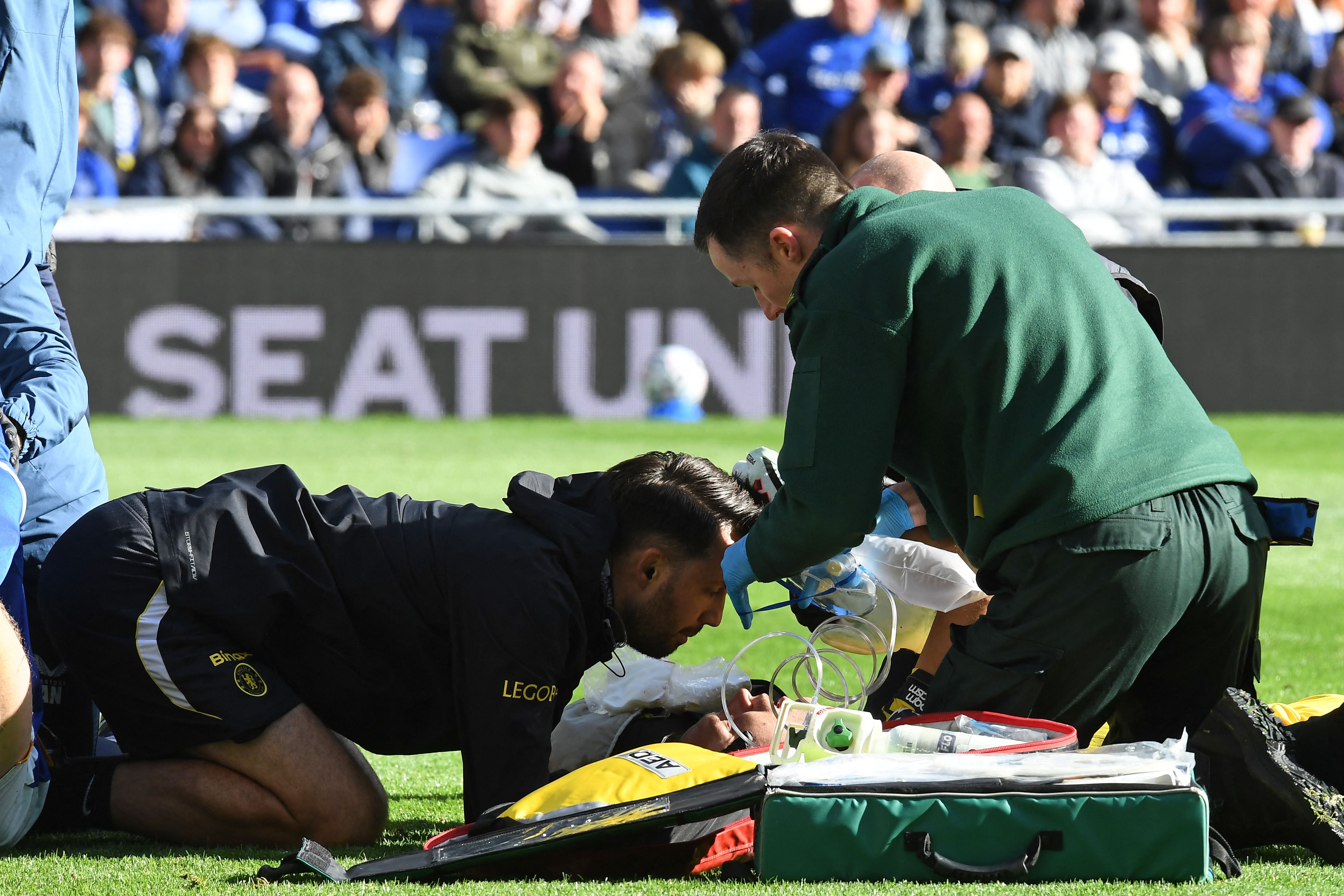
Chelsea defeats Everton 2-0; Martinez suffers head injury during match
about 9 hours ago · 2 sources
PreviousworldDelhi Launches First Dedicated Women's Police StationNextworldEscalation in Israel-Lebanon Conflict Amid Failed Ceasefire Efforts
Discussion
Leave a comment