Barbados Prime Minister Advocates for Slavery Reparations at Ghana Summit
June 19, 2026 at 4:11 PM2 min read

AI Summary
Barbados Prime Minister Mia Mottley has unveiled a new manifesto advocating for reparations for slavery during a significant conference held in Ghana. This event, which gathered leaders from over 80 countries, aims to address the historical injustices and damages inflicted by centuries of enslavement and colonialism. The manifesto emphasizes the moral, ethical, and legal arguments for reparations, particularly highlighting the specific harms endured by African women throughout history. Mottley's announcement comes in the wake of a landmark United Nations resolution that recognizes the need for reparative justice for the descendants of enslaved individuals. The conference represents a pivotal moment for Caribbean nations and their allies as they seek to unify their efforts in demanding reparations from former colonial powers. The discussions are expected to set the stage for future negotiations and actions aimed at rectifying historical wrongs and fostering a more equitable global society.
World View
2 perspectivesUK's perspective
The Guardian reports on the recent developments in Barbados, where Prime Minister Mia Mottley has taken a leading role in advocating for reparations for slavery. The publication highlights the significance of the manifesto presented at the conference in Ghana, which underscores the collective stance of Caribbean leaders on the issue. The emphasis on the moral, ethical, and legal case for reparations is seen as a crucial step in addressing the historical injustices faced by African descendants. The Guardian notes that the manifesto not only seeks to hold former colonial powers accountable but also aims to raise awareness about the specific suffering of African women during the enslavement period. This initiative is part of a broader movement within the Caribbean and beyond, as nations come together to confront their colonial past and seek justice for the descendants of enslaved individuals. The article reflects a growing recognition of the need for reparative measures and the importance of international solidarity in this endeavor.
Russia's perspective
RT covers the reparations summit held in Ghana, emphasizing the participation of leaders from over 80 countries. The article highlights the significance of this gathering in the context of the recent United Nations resolution that calls for addressing the historical injustices of slavery and colonialism. RT focuses on the broader implications of the reparations discussions, suggesting that they reflect a growing global movement to confront the legacies of colonialism. The coverage points out that the summit serves as a platform for nations to unite in their demands for restitution and justice. The article also notes the potential geopolitical ramifications of these discussions, as countries seek to hold former colonial powers accountable for their actions. By framing the summit as a historic event, RT underscores the importance of international dialogue in addressing past wrongs and fostering a more equitable future. The coverage suggests that the reparations movement could reshape international relations and influence future policies regarding historical injustices.
Analysis
The perspectives from the UK and Russia highlight the global significance of the reparations movement, with both emphasizing the need for accountability and justice. The Guardian's focus on the moral and ethical dimensions of the manifesto reflects a Western viewpoint that seeks to address historical injustices through dialogue and reparative measures. In contrast, RT's coverage underscores the geopolitical implications of the summit, suggesting that the reparations discussions could influence international relations and power dynamics. Both perspectives recognize the importance of solidarity among nations in confronting the legacies of colonialism, indicating a growing consensus on the need for reparative justice on a global scale.
The Hidden Strings
Patterns visible only when every country's coverage is placed side by side — the connections no single source draws.
Vocabulary
Reparations vs Restitution
80%
The terms 'reparations' and 'restitution' are used differently across the two clusters, with 'reparations' being associated with a moral case in Cluster A and 'restitution' being linked to colonial restitution in Cluster B. This contrast reveals a potential difference in framing or approach between the two groups. The use of these terms may indicate distinct perspectives on the issue.
CLUSTER A: 'reparations', CLUSTER B: 'restitution'
Source
RT (Russia Today) vs The Guardian
70%
The sources cited in Cluster B (RT) and Cluster A (The Guardian) differ, with RT citing a UN slavery vote as the catalyst for reparations talks, while The Guardian focuses on Barbados' prime minister's manifesto. This contrast highlights potential differences in how each source frames or reports the event.
RT (Russia Today), CLUSTER B: 'un vote'; The Guardian, CLUSTER A: 'manifesto'
Silence
Document Mention
60%
The term 'document' is mentioned in Cluster A but not in Cluster B, despite both clusters discussing reparations. This silence may indicate a difference in how the two groups approach documentation or evidence for their claims.
CLUSTER A: 'document', CLUSTER B: absent
How Each Side Framed It
Caribbean leaders demand reparations
UK
supports Caribbean countries
reparationsmoral case
International summit on colonial restitution
Russia
neutral, reports on talks
restitutionun vote
What Mainstream Coverage Missed
Angles present in the cross-border material that the dominant coverage buried or skipped.
- The UK's framing of reparations as a 'demand' by Caribbean leaders overlooks the historical injustices and ongoing struggles faced by these nations.
- Russia's neutral tone fails to acknowledge the disproportionate impact of colonialism on African women, whose experiences are central to Mottley's manifesto.
The Beyond the Borders PoV
The Barbados Prime Minister's advocacy for reparations is a symptom of a broader power imbalance that perpetuates historical injustices and silences marginalized voices.
This imbalance is reflected in the dominant coverage, which often focuses on the 'demand' for reparations rather than the moral and ethical arguments driving it. The silence around African women's experiences and the lack of attention to colonialism's ongoing legacy reveal a deeper power dynamic at play.
This is our editorial interpretation of the cross-source evidence above, not a report of established fact. The sourced coverage it draws on is listed below.
Disclaimer
The summary and perspectives above are AI-generated from the source articles listed below. They may contain errors or omissions. Always verify with the original sources. Beyond the Borders is a news aggregation platform and does not produce original journalism.
How does this story make you feel?
What each source is saying
2 sourcesTheir Angle
The Guardian reports on Barbados Prime Minister Mia Mottley's announcement of a manifesto advocating for reparations for slavery, emphasizing the moral and ethical case for justice.
Article Preview
Updated document, which emphasises harm done to African women, is being considered by other Caribbean countriesBarbados’s prime minister, Mia Mottley, has announced a new manifesto from Caribbean leaders asserting the “moral, ethical and legal case” for reparations over damage caused by hundreds of years of enslavement.Mottley was speaking at a “historic” conference in Ghana to advance the push for reparatory justice after the United Nations adopted a landmark resolution declaring the trafficking of enslaved Africans as the gravest crime against humanity. Continue reading...
More from world
world
Oil prices may grow even further if Hormuz issue not settled — Russian deputy premier
about 3 hours ago · 2 sources

world
Massive Protests and Unrest Sweep France Amid Calls for Change
about 3 hours ago · 3 sources
world
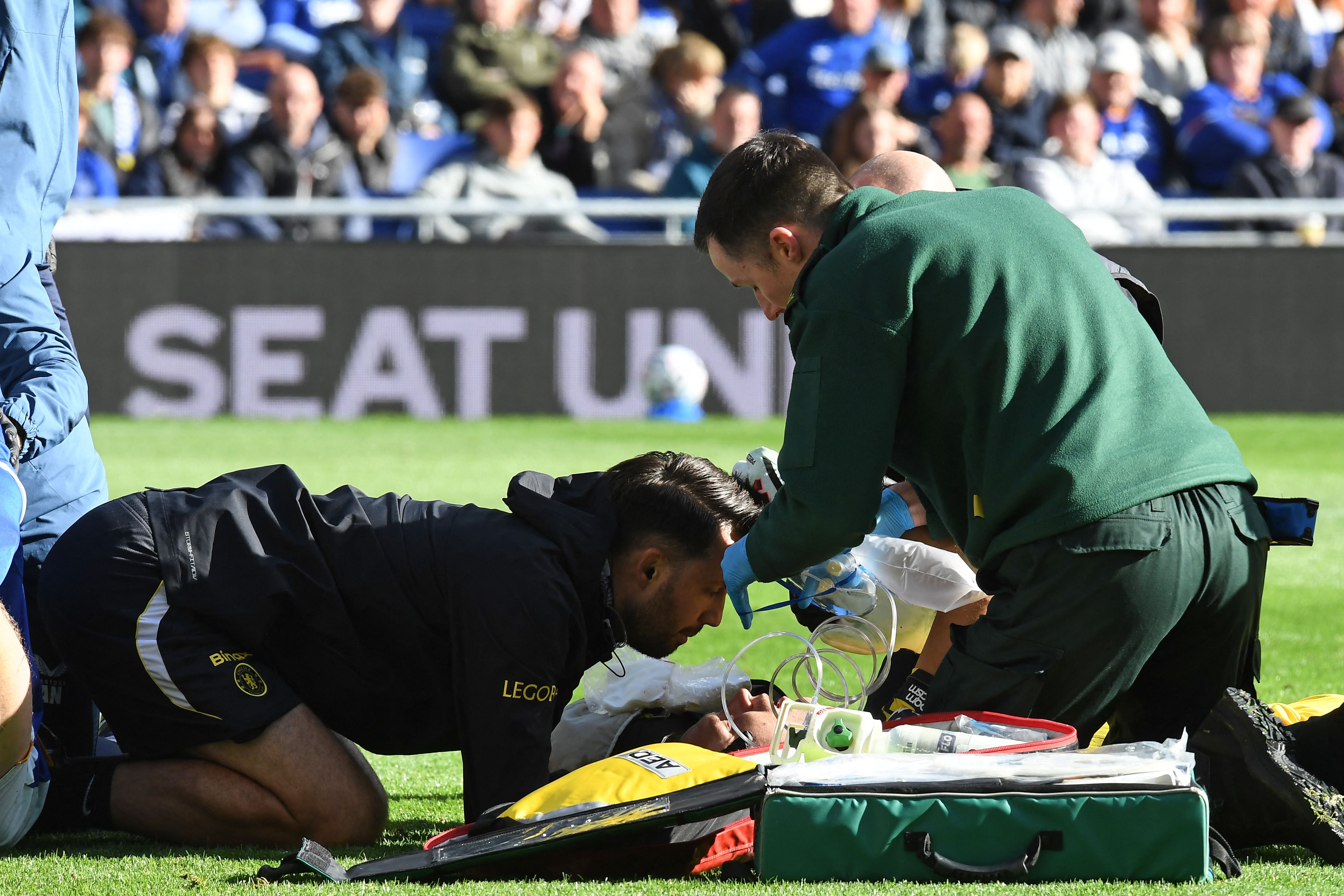
Chelsea defeats Everton 2-0; Martinez suffers head injury during match
about 3 hours ago · 2 sources
PreviousworldRussian Central Bank Reduces Key Rate to 14.25 PercentNextworldBengaluru's Football Culture and India's World Cup Aspirations
Discussion
Leave a comment