Trump's Iran MOU Sparks Controversy Amid Global Political Developments
June 19, 2026 at 4:11 PM2 min read

AI Summary
In a significant political development, Democratic strategist James Carville has publicly criticized the memorandum of understanding reached by the Trump administration with Iran. During an interview on NewsNation, Carville described the agreement as an 'instrument of surrender,' suggesting that it symbolizes a loss for the United States as the nation approaches its 250th anniversary. This commentary comes at a time when the geopolitical landscape is shifting, with various countries engaging in diplomatic talks to strengthen their international ties. The implications of the Iran deal are profound, as it raises questions about U.S. foreign policy and its effectiveness in the Middle East. Meanwhile, Russia is actively pursuing deeper cooperation with Madagascar, as evidenced by recent talks between Russian Foreign Minister Sergey Lavrov and Malagasy counterpart Alice N’Diaye. These developments highlight the complexities of international relations and the varying perspectives on U.S. influence in global affairs.
World View
3 perspectivesUSA's perspective
James Carville's remarks reflect a growing sentiment among some U.S. political analysts who view the Trump administration's Iran deal as a capitulation rather than a strategic victory. Carville's assertion that the agreement signifies a loss for the U.S. is indicative of a broader critique of American foreign policy in the Middle East. Critics argue that the deal undermines the sacrifices made by U.S. military personnel and the long-term objectives of American diplomacy in the region. As the U.S. prepares to celebrate its 250th anniversary, the implications of such a deal raise questions about national pride and the effectiveness of past military engagements. The commentary also serves to galvanize opposition to the Trump administration's foreign policy approach, suggesting that it may have lasting repercussions on the U.S.'s global standing and its relationships with allies and adversaries alike.
Russia's perspective
In a contrasting narrative, Russia is actively enhancing its diplomatic relations with African nations, as demonstrated by the recent discussions between Foreign Minister Sergey Lavrov and Madagascar's Alice N’Diaye. These talks are part of Russia's broader strategy to deepen ties with countries in Africa, which is seen as a vital region for economic and political partnerships. Lavrov's visit underscores Russia's commitment to fostering cooperation in various sectors, including trade, security, and cultural exchange. This approach is indicative of Russia's desire to expand its influence on the continent, particularly in light of shifting global power dynamics. As the U.S. grapples with its foreign policy challenges, Russia's proactive engagement in Africa may present new opportunities for collaboration and competition in international affairs.
UK's perspective
In the UK, political dynamics are also shifting, particularly with the recent electoral success of Greater Manchester Mayor Andy Burnham. His victory in the pivotal Makerfield poll has energized his campaign for the leadership of the Labour Party and a potential bid for Number 10. This development reflects a growing desire among the electorate for a change in leadership and direction within the party. The Labour Party's internal struggles and the competition between figures like Burnham and current leader Keir Starmer highlight the complexities of British politics in the wake of Brexit and ongoing economic challenges. As the UK navigates its own political landscape, the implications of these domestic shifts may resonate internationally, particularly in how the UK positions itself in relation to global powers like the U.S. and Russia.
Analysis
The perspectives from the U.S., Russia, and the UK illustrate the multifaceted nature of current geopolitical dynamics. While the U.S. grapples with the implications of its Iran deal, Russia is actively seeking to expand its influence in Africa, showcasing a contrasting approach to international relations. Meanwhile, the UK's internal political shifts could affect its foreign policy stance and its role in global affairs. These developments highlight the interconnectedness of domestic politics and international diplomacy, suggesting that the actions of one nation can have ripple effects across the global stage.
The Hidden Strings
Patterns visible only when every country's coverage is placed side by side — the connections no single source draws.
Vocabulary
Loss of Control: 'surrender' vs 'loss'
80%
The clusters use different words to describe the US defeat in Iran, with 'surrender' used by The Hill and 'loss' used by The Hill. This contrast reveals a difference in tone and emphasis between the sources.
US defeat in Iran; surrender; The Hill
Silence
Missing Context: 'talks' with Russia
70%
The clusters do not mention talks between Russia and Madagascar, despite RT (Russia Today) reporting on the topic. This omission suggests a lack of attention to this aspect of international relations.
Russia-Madagascar cooperation; talks; RT (Russia Today); 2026-06-19T14:23
How Each Side Framed It
US defeat in Iran
USA
Favors Democratic perspective
surrenderloss
UK Labour Party leadership contest
UK
Favors Labour Party perspective
victorybid for power
Russia-Madagascar cooperation
Russia
Favors Russian perspective
tiescooperation
What Mainstream Coverage Missed
Angles present in the cross-border material that the dominant coverage buried or skipped.
- The US media's focus on Trump's Iran MOU largely ignores the implications for India's strategic interests in the region.
- The UK Labour Party's leadership contest is overshadowing the significance of Russia's cooperation with Madagascar, a key player in regional geopolitics.
- The global attention on Trump's Iran deal neglects the potential consequences for Africa's economic development and stability.
The Beyond the Borders PoV
Trump's Iran MOU is not just a US defeat, but a symptom of a broader power struggle between nations with competing visions for global governance.
The contrast between Russia's cooperation with Madagascar and the US media's focus on Trump's Iran deal reveals a gap in understanding about the true stakes of international relations. The silence on this topic is consistent with the dominant framing, which prioritizes Western interests over regional dynamics. This omission highlights the need for a more nuanced analysis that takes into account the diverse perspectives of nations like Russia and Madagascar.
This is our editorial interpretation of the cross-source evidence above, not a report of established fact. The sourced coverage it draws on is listed below.
Disclaimer
The summary and perspectives above are AI-generated from the source articles listed below. They may contain errors or omissions. Always verify with the original sources. Beyond the Borders is a news aggregation platform and does not produce original journalism.
How does this story make you feel?
What each source is saying
3 sourcesTheir Angle
The Hill reports on James Carville's criticism of the Trump administration's Iran deal, framing it as a significant loss for the U.S. as it approaches its 250th anniversary.
Article Preview
Democratic strategist James Carville mocked the memorandum of understanding reached by the Trump administration with Iran, arguing it effectively shows that the U.S. lost the war just as the country readies for its 250th birthday. Carville called the deal an “instrument of surrender” during an interview Thursday night with Chris Cuomo, the host of NewsNation’s...
More from world

world
South Korea Sees Rise in Early Parole Grants Due to Overcrowding
about 1 hour ago · 2 sources
world
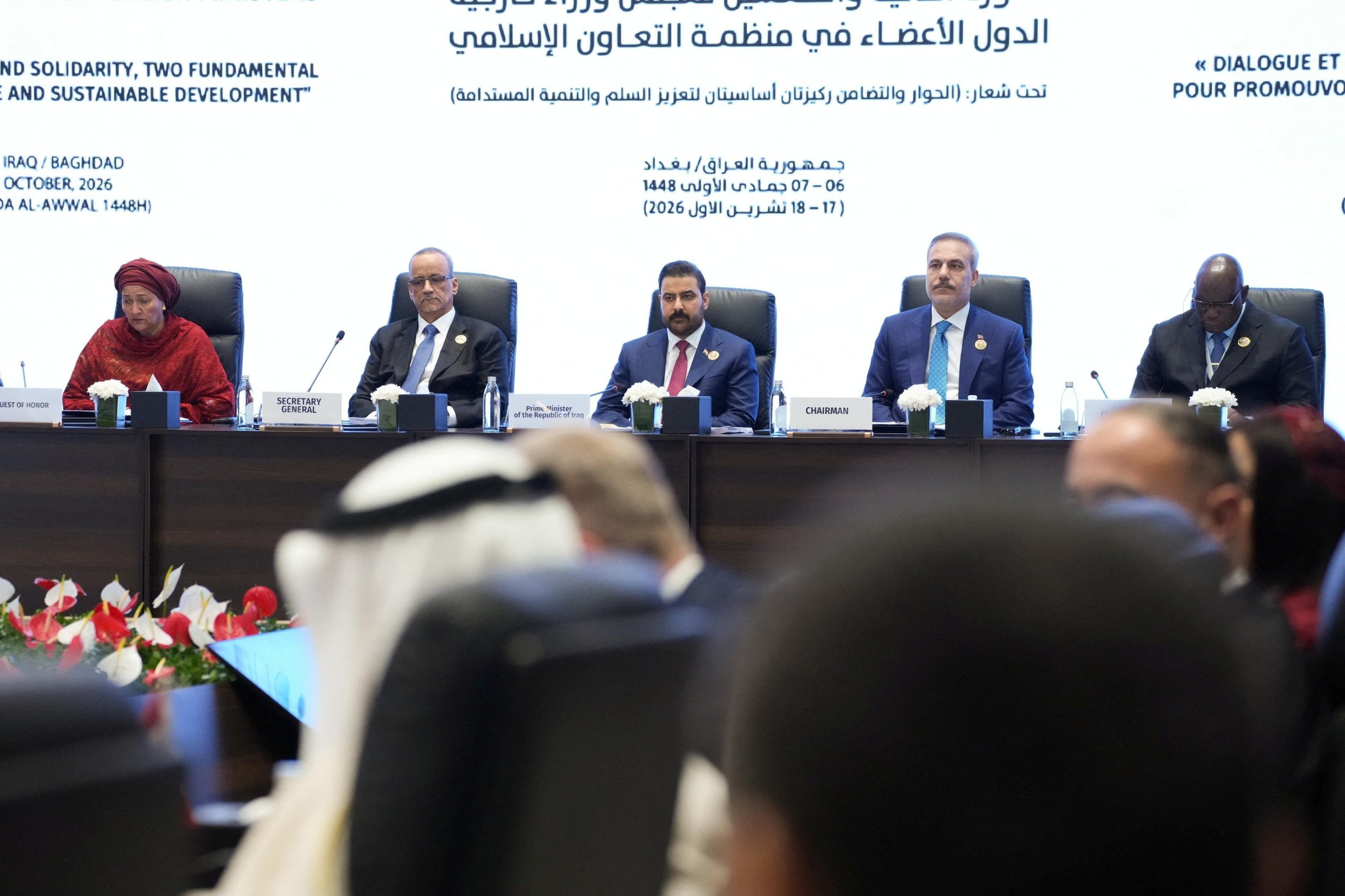
Iran and Turkey Discuss Solidarity at OIC Council of Foreign Ministers
about 1 hour ago · 3 sources

world
Sussexes' Nottingham Visit Sparks Debate Over Crowds and Royal Duty
about 1 hour ago · 2 sources
PreviousworldMan Arrested After Boy Falls Into Crocodile Enclosure at ZooNextworldBJP Accuses Opposition of Fear Politics Amid Voter Roll Revision
Discussion
Leave a comment