worldCovered by 2 Sources
Cuba Implements Economic Reforms Amid US Pressure
June 19, 2026 at 3:38 PM2 min read
AI Summary
Cuba has recently approved a significant package of economic reforms aimed at revitalizing its economy, which has been under strain due to longstanding US sanctions and internal challenges. The reforms, endorsed by the Communist Party, open key sectors to private investment, marking a notable shift in the country’s economic policy. This decision comes at a time when Cuba is grappling with severe economic difficulties, including food shortages and inflation. The government has framed these changes as a necessary response to what they describe as an 'economic war' waged by the United States. Officials assert that these reforms do not represent a departure from the socialist principles that have guided the nation since the revolution. Instead, they view these measures as a way to strengthen the economy while maintaining the core tenets of socialism. The reforms are expected to attract foreign investment and stimulate local entrepreneurship, potentially leading to a more dynamic economic landscape in Cuba.
World View
2 perspectivesQatar's perspective
From the perspective of Al Jazeera, the approval of economic reforms in Cuba is a significant development in the context of US-Cuba relations. The reforms are seen as a direct response to the pressures exerted by the United States, which has maintained a stringent embargo against the island nation for decades. Al Jazeera emphasizes that the Cuban government is attempting to navigate a challenging economic landscape while adhering to its socialist ideals. The media outlet highlights the importance of these reforms in potentially alleviating some of the economic hardships faced by the Cuban population. By allowing private investment in key sectors, the Cuban government aims to stimulate growth and improve living conditions. However, the outlet also notes that the success of these reforms will depend on various factors, including the international response and the ability of the Cuban government to manage the transition without compromising its socialist framework.
Germany's perspective
DW reports on the recent economic reforms in Cuba, framing them as a strategic move by the Communist Party to counteract the economic challenges exacerbated by US sanctions. The German outlet points out that the reforms are not merely a concession to market forces but are presented as a continuation of the socialist project. DW highlights the internal party discussions that led to the approval of these reforms, with some members describing the changes as a necessary response to an ongoing 'economic war' from the United States. The report underscores the cautious optimism surrounding these reforms, noting that while they may attract foreign investment, they also pose risks of increasing inequality and diverging from socialist principles. DW's analysis suggests that the Cuban government is walking a tightrope, trying to implement reforms that could invigorate the economy while maintaining its ideological commitments. The implications of these reforms could extend beyond Cuba, influencing regional dynamics and the broader geopolitical landscape.
Analysis
The perspectives from Qatar and Germany highlight the complexity of Cuba's recent economic reforms. Both outlets recognize the influence of US sanctions on Cuba's decision-making process, framing the reforms as a response to external pressures. However, Al Jazeera emphasizes the potential for these reforms to improve living conditions, while DW focuses on the ideological implications and risks associated with diverging from socialist principles. This divergence in focus reflects broader geopolitical concerns, as Cuba's economic strategies may impact its relationships with both the US and other nations in the region. The success of these reforms could reshape Cuba's economic landscape and influence future diplomatic engagements.
The Hidden Strings
Patterns visible only when every country's coverage is placed side by side — the connections no single source draws.
Vocabulary
Economic Reforms and Social Change
80%
The use of 'reforms' in Cuba's economic policies is contrasted with the use of 'socialist project' by Germany, highlighting a difference in framing between the two blocs. This vocabulary string reveals a potential divide in how the event is perceived and framed by different actors. The absence of these terms in Qatar's coverage suggests a focus on economic pressure rather than social change.
CLUSTER A: 'reforms' used by Qatar; CLUSTER B: 'socialist project' used by Germany
Silence
Lack of Mention of US Aggression
70%
Both clusters omit any mention of 'US aggression' or 'economic war', suggesting that this aspect of the event is not considered relevant or newsworthy by either bloc. This silence reveals a potential difference in how the event is framed and prioritized by different actors.
CLUSTER A: no mention of US aggression; CLUSTER B: no mention of US aggression
How Each Side Framed It
US economic pressure
Qatar
Favors US side
pressurereforms
Cuban response to US aggression
Germany
Favors Cuban side
economic warsocialist project
What Mainstream Coverage Missed
Angles present in the cross-border material that the dominant coverage buried or skipped.
- The dominant coverage fails to mention the extent of US sanctions on Cuba and their impact on the country's economy.
- The framing of 'economic war' by Cuba is not critically examined in mainstream media, which instead focuses on market forces.
The Beyond the Borders PoV
Cuba's economic reforms are a strategic response to US aggression, not a concession to market forces.
The silence on US sanctions and the framing of 'economic war' reveals a power dynamic where Cuba is forced to justify its actions to appease the US. This narrative obscures the true nature of the relationship between the two nations.
This is our editorial interpretation of the cross-source evidence above, not a report of established fact. The sourced coverage it draws on is listed below.
Disclaimer
The summary and perspectives above are AI-generated from the source articles listed below. They may contain errors or omissions. Always verify with the original sources. Beyond the Borders is a news aggregation platform and does not produce original journalism.
How does this story make you feel?
What each source is saying
2 sourcesTheir Angle
Al Jazeera reports on Cuba's approval of economic reforms, emphasizing the response to US pressure and the potential for private investment.
Article Preview
Cuba has approved sweeping economic reforms, opening key sectors to private investment.
More from world
world
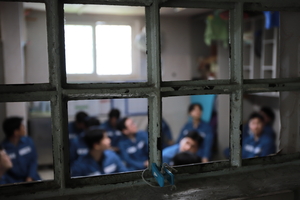
South Korea Sees Rise in Early Parole Grants Due to Overcrowding
about 9 hours ago · 2 sources
world
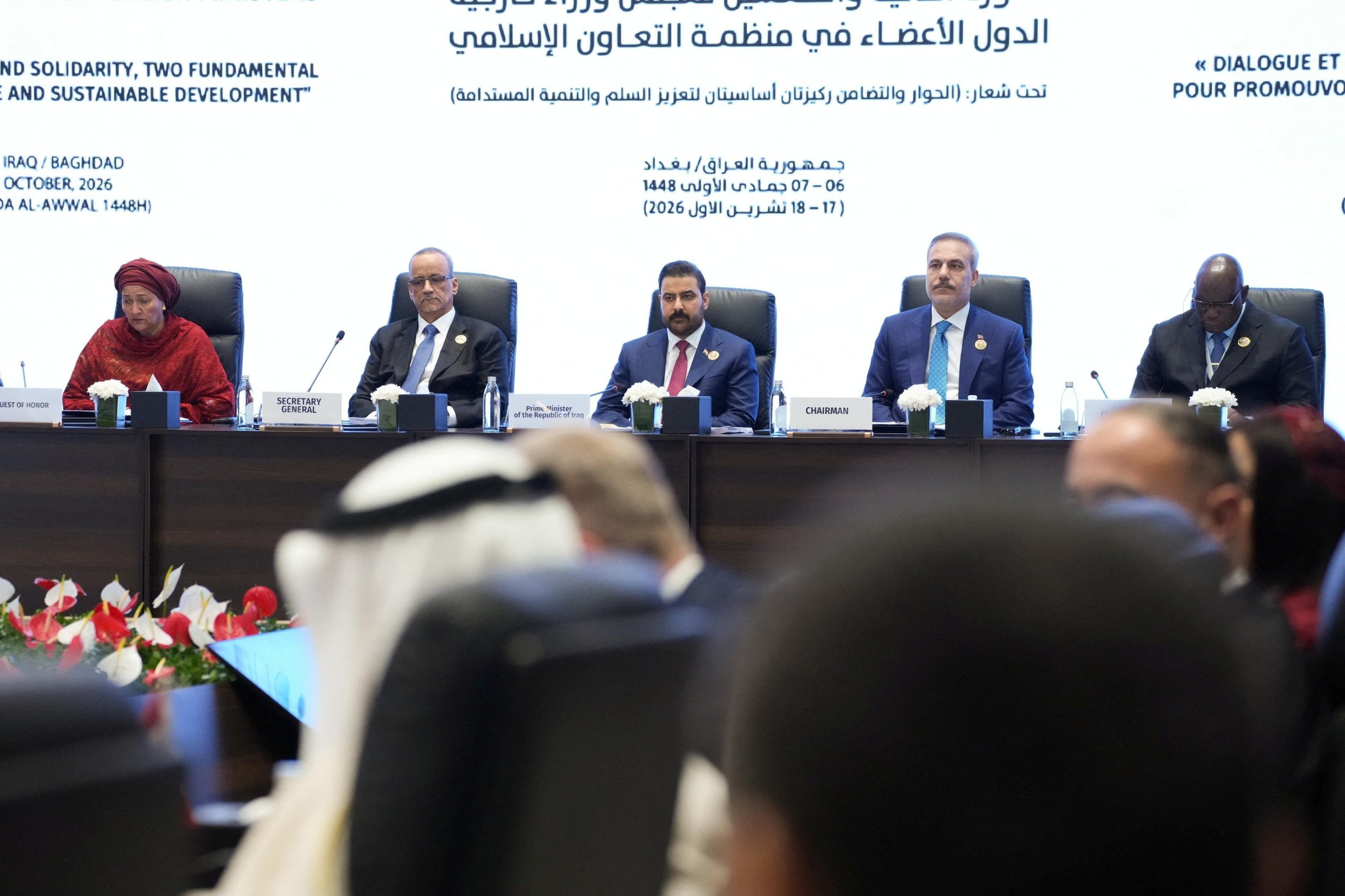
Iran and Turkey Discuss Solidarity at OIC Council of Foreign Ministers
about 9 hours ago · 3 sources

world
Sussexes' Nottingham Visit Sparks Debate Over Crowds and Royal Duty
about 9 hours ago · 2 sources
PreviousworldNewlywed Techie Found Dead During Honeymoon in MussoorieNextworldMiddle East conflict reshapes Iran-Gulf relations and AI access policies
Discussion
Leave a comment