politicsCovered by 3 Sources
US-Iran Agreement Sparks Hope for Stranded Vessels and Economic Recovery
June 19, 2026 at 4:22 AM2 min read

AI Summary
On June 15, 2026, a significant agreement was reached between the United States and Iran, raising hopes for the resolution of various geopolitical tensions in the region. This deal is particularly crucial for South Korea, as it may facilitate the exit of 24 South Korean vessels that have been stranded in the Strait of Hormuz due to the ongoing conflict. The agreement has generated a wave of cautious optimism across financial markets, with oil prices dropping and stock markets experiencing a modest rally. The deal is seen as a potential turning point that could ease the economic strain caused by the prolonged hostilities. Ordinary Iranians have expressed relief over the cessation of conflict, although some opposition groups have voiced disappointment regarding the terms of the agreement. The implications of this deal extend beyond the immediate region, potentially stabilizing global oil markets and fostering a more favorable economic environment worldwide.
World View
3 perspectivesSouth Korea's perspective
The recent agreement between the United States and Iran has been met with optimism in South Korea, particularly among those concerned about the 24 South Korean vessels stranded in the Strait of Hormuz. These vessels have faced significant challenges due to the ongoing conflict, and the deal raises hopes for their safe passage. South Korean officials are closely monitoring the situation, as the resolution of this issue could have substantial economic implications for the nation. The South Korean government has expressed its support for diplomatic efforts aimed at stabilizing the region, emphasizing the importance of international cooperation in addressing maritime security. The potential for improved relations between the U.S. and Iran is seen as a positive development that could lead to enhanced trade opportunities and a more secure environment for South Korean shipping interests. As the situation unfolds, South Korea remains hopeful that this agreement will pave the way for a broader resolution of tensions in the Middle East.
UK's perspective
In the United Kingdom, the news of the U.S.-Iran agreement has sparked cautious optimism among financial analysts and market observers. The potential easing of tensions between the two nations is expected to have a positive impact on global oil prices, which have seen a notable decline following the announcement. This drop in oil prices is welcomed by consumers and businesses alike, as it may alleviate some of the economic pressures stemming from high energy costs. Additionally, stock markets have responded favorably, with a cautious rally indicating investor confidence in the stability that the agreement could bring. However, analysts urge caution, noting that while the deal is a step in the right direction, the complexities of the geopolitical landscape mean that challenges remain. The UK government has reiterated its commitment to supporting diplomatic solutions in the region, emphasizing the importance of continued dialogue to ensure lasting peace and stability. The implications of this agreement could extend beyond immediate economic benefits, potentially fostering a more cooperative international environment.
USA's perspective
In the United States, the agreement with Iran has been met with a mix of relief and skepticism. Many Americans, particularly those who have been following the conflict closely, expressed relief at the prospect of an end to hostilities that have caused significant suffering and instability in the region. The Biden administration views this deal as a crucial step toward restoring diplomatic relations and reducing tensions that have escalated over the past few years. However, there are voices of dissent, particularly from opposition groups who argue that the agreement does not adequately address key issues such as Iran's nuclear ambitions and its influence in the region. These critics fear that the deal may embolden Iran rather than lead to genuine peace. The administration is tasked with balancing these concerns while promoting the benefits of the agreement, which include potential economic recovery and improved security for U.S. allies in the region. As the situation develops, the U.S. will need to navigate these complex dynamics carefully.
Analysis
The perspectives from South Korea, the UK, and the USA highlight the multifaceted implications of the U.S.-Iran agreement. South Korea's focus on the immediate economic benefits, particularly regarding its stranded vessels, contrasts with the UK's cautious optimism about broader market stability. Meanwhile, the U.S. perspective reveals a tension between relief over potential peace and concerns about Iran's future actions. This divergence underscores the complexities of international diplomacy, where economic interests and security concerns often intersect. The geopolitical landscape remains fragile, and the success of this agreement will depend on the commitment of all parties to uphold its terms and foster a lasting peace.
How Each Side Framed It
US-Iran peace deal
South Korea
Favors US side
dealpeaceprogress
US-Iran peace deal benefits markets
UK
Favors US side
prices dropstocks rallycautious optimism
US-Iran peace deal brings relief to Iran
USA
Favors Iranian side
reliefenduring conflictordinary people
What Mainstream Coverage Missed
Angles present in the cross-border material that the dominant coverage buried or skipped.
- The South Korean vessels' fate was framed as a humanitarian crisis, while their owners and operators were largely absent from mainstream coverage.
- The economic benefits of the deal for Iran were downplayed or ignored in favor of more neutral language about 'relief' and 'cautious optimism'.
- The role of opposition groups in shaping public opinion on the agreement was not adequately explored by mainstream media.
The Beyond the Borders PoV
This US-Iran agreement is a power play, with the US framing it as a market-friendly deal while Iran's interests are relegated to relief and caution.
The contrast between South Korea's optimism and opposition groups' disappointment reveals a narrative that prioritizes market stability over regional concerns. The Biden administration's skepticism and Iranian opposition's frustration suggest a deeper game of geopolitics, where the US seeks to maintain its influence in the region while Iran pushes back against its economic coercion.
This is our editorial interpretation of the cross-source evidence above, not a report of established fact. The sourced coverage it draws on is listed below.
Disclaimer
The summary and perspectives above are AI-generated from the source articles listed below. They may contain errors or omissions. Always verify with the original sources. Beyond the Borders is a news aggregation platform and does not produce original journalism.
How does this story make you feel?
What each source is saying
3 sourcesTheir Angle
The agreement between the U.S. and Iran raises hopes for the exit of South Korean vessels stranded in the Strait of Hormuz. This development is crucial for South Korea's maritime interests.
Article Preview
SEOUL, June 15 (Yonhap) -- The agreement between the United States and Iran to r...
More from politics
politics
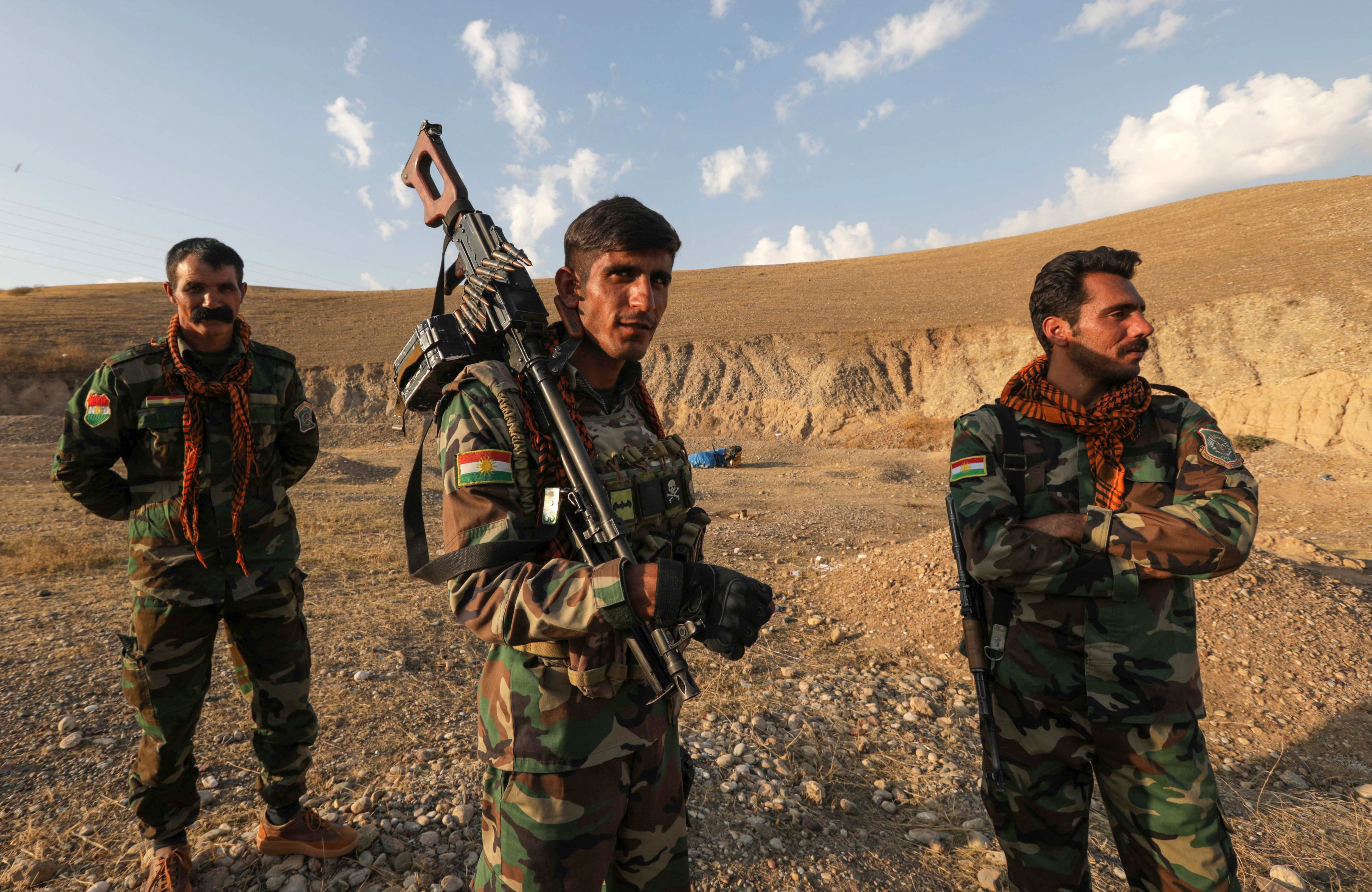
Iran says Iraq has agreed to expel Iranian Kurdish opposition groups from Kurdistan region
about 1 hour ago · 2 sources

politics
China Objects to US Ban on DeepSeek AI Products in Government Systems
about 1 hour ago · 2 sources
politics
Netanyahu’s new security doctrine: Regional strategy or election ploy?
1 day ago · 2 sources
PreviousworldNamibian Bus Hijacking Raises Concerns Over Safety in South AfricaNextworldKnicks Celebrate Historic NBA Victory After 53-Year Drought
Discussion
Leave a comment