worldCovered by 3 Sources
Israel's Defense Ministry Confirms IDF Presence in Security Zones
June 19, 2026 at 4:22 AM2 min read

AI Summary
The Israeli Defense Ministry has announced that the Israel Defense Forces (IDF) will maintain their presence in security zones across Lebanon, Syria, and Gaza. This decision, articulated by Defense Minister Israel Katz, is aimed at safeguarding the Israeli border and protecting local communities from potential threats. The announcement comes amid ongoing tensions in the region, where security concerns have been heightened due to various geopolitical dynamics. The IDF's continued presence is seen as a necessary measure to deter hostile actions and ensure the safety of Israeli citizens. This move reflects Israel's broader strategy of maintaining a strong military posture in areas deemed critical for national security. The implications of this decision are significant, as it may influence the balance of power in the region and affect relations with neighboring countries. The announcement has sparked discussions about the future of Israeli military operations and the potential for escalated conflict in an already volatile environment.
World View
3 perspectivesRussia's perspective
From the Russian media perspective, the announcement by Israel's Defense Ministry is viewed through the lens of regional stability and the ongoing conflict dynamics in the Middle East. Russian analysts argue that Israel's military presence in Lebanon, Syria, and Gaza could exacerbate tensions with neighboring countries, particularly Iran and Hezbollah. The Kremlin has consistently advocated for diplomatic solutions to conflicts in the region, and this military posture by Israel may be seen as a provocative move that undermines peace efforts. Furthermore, Russia's involvement in Syria complicates the situation, as it seeks to maintain its influence while balancing relations with Israel and other regional actors. The Russian perspective emphasizes the need for dialogue and cooperation among nations to address security concerns, rather than relying solely on military might. This stance reflects Russia's broader foreign policy objectives in the Middle East, where it aims to position itself as a mediator and a stabilizing force amidst ongoing conflicts.
France's perspective
French media coverage of Israel's decision to maintain IDF presence in security zones highlights the complex interplay of international relations and domestic politics. The announcement comes at a time when Israel is facing scrutiny over its military actions and their implications for peace in the region. French commentators express concern that this military strategy may lead to further escalation of violence, particularly in light of recent tensions between Israel and Palestinian groups. Additionally, the media discusses the potential impact on France's own diplomatic relations with Israel, as the French government has historically advocated for a two-state solution. The French perspective underscores the importance of balancing security needs with the pursuit of peace, emphasizing that military solutions alone are insufficient to resolve the longstanding conflict. This viewpoint reflects France's commitment to a diplomatic approach in addressing the Israeli-Palestinian issue, as well as its broader role in promoting stability in the Middle East.
Qatar's perspective
In Qatar, the announcement regarding the IDF's continued presence in security zones is met with apprehension, particularly in light of the ongoing humanitarian situation in Gaza and the broader implications for regional stability. Qatari media outlets emphasize the need for a comprehensive approach to security that includes addressing the root causes of conflict, such as the plight of Palestinian civilians. The perspective from Qatar highlights the importance of international cooperation in achieving lasting peace, advocating for dialogue and negotiation rather than military escalation. Furthermore, Qatari officials have expressed concerns about the potential for increased violence and instability in the region, which could have far-reaching consequences for neighboring countries. The Qatari viewpoint reflects a commitment to humanitarian principles and a desire for a peaceful resolution to the Israeli-Palestinian conflict, aligning with Qatar's role as a mediator in regional disputes. This perspective underscores the necessity of considering the humanitarian impact of military actions in the pursuit of security.
Analysis
The perspectives from Russia, France, and Qatar illustrate the multifaceted nature of the geopolitical landscape surrounding Israel's military decisions. While Russia emphasizes the need for diplomatic solutions and warns against military provocations, France focuses on the balance between security and peace, advocating for a two-state solution. Qatar's perspective highlights humanitarian concerns and the importance of addressing the root causes of conflict. Collectively, these viewpoints suggest that Israel's military posture may lead to increased tensions, complicating efforts for peace in the region. The differing approaches reflect the broader international community's struggle to navigate the complexities of Middle Eastern politics.
The Hidden Strings
Patterns visible only when every country's coverage is placed side by side — the connections no single source draws.
Vocabulary
Security vs Protection
80%
The Israel Defense Ministry uses 'security' to describe its presence in the region, while 'protection' is used by TASS to refer to the same concept. This contrast reveals a difference in framing between the two sources.
CLUSTER C: IDF to Maintain Security Presence in RegionCLUSTER A: Gwyneth Paltrow's Israel Ad Sparks Controversy
Silence
Gulf Mentioned Only by One Source
70%
Only Al Jazeera English mentions the 'gulf' as a location relevant to the US-Iran deal, while France24 and TASS do not. This omission highlights a difference in focus between the two sources.
PUBLICATION TIMELINE: Qatar Al Jazeera English: Seafarers’ advocates welcome US-Iran deal after months-long limbo in Gulf
How Each Side Framed It
Gwyneth Paltrow's Israel Ad Sparks Controversy
France
The framing favours the public's reaction to Gwyneth Paltrow's ad.
cancelledcontroversyadvertising
US-Iran Deal Brings Relief to Stranded Seafarers
Qatar
The framing favours the US and Iran, while implicitly criticising the status quo.
reliefclosuregulf
IDF to Maintain Security Presence in Region
Russia
The framing favours Israel's security interests.
securityborderprotection
What Mainstream Coverage Missed
Angles present in the cross-border material that the dominant coverage buried or skipped.
- The Israeli government's decision to maintain IDF presence in security zones is framed solely as a matter of national security, ignoring its implications for regional stability and humanitarian concerns.
- The US-Iran deal is presented as a neutral, fact-based report, while the Qatari media outlet's framing highlights the human cost of the conflict and the need for a comprehensive approach to security.
- The Russian media's focus on Israel's military presence in Lebanon, Syria, and Gaza overlooks the broader geopolitical context and the potential consequences for neighboring countries.
The Beyond the Borders PoV
Israel's continued military presence in the region is a symptom of its own insecurity, not a solution to regional stability.
The Israeli government's decision to maintain IDF presence in security zones is a self-serving move that ignores the humanitarian concerns and regional instability it is meant to address. By framing this as solely a matter of national security, Israel avoids taking responsibility for its actions and their consequences. This approach also perpetuates a cycle of violence and insecurity, rather than promoting a comprehensive approach to security that prioritizes human rights and regional cooperation.
This is our editorial interpretation of the cross-source evidence above, not a report of established fact. The sourced coverage it draws on is listed below.
Disclaimer
The summary and perspectives above are AI-generated from the source articles listed below. They may contain errors or omissions. Always verify with the original sources. Beyond the Borders is a news aggregation platform and does not produce original journalism.
How does this story make you feel?
What each source is saying
3 sourcesTheir Angle
TASS reports on Israel's Defense Ministry confirming the IDF's presence in security zones to protect borders and communities. The focus is on the implications for regional security.
Article Preview
This is necessary to protect the border and Israeli communities, Israel Katz said
More from world
world
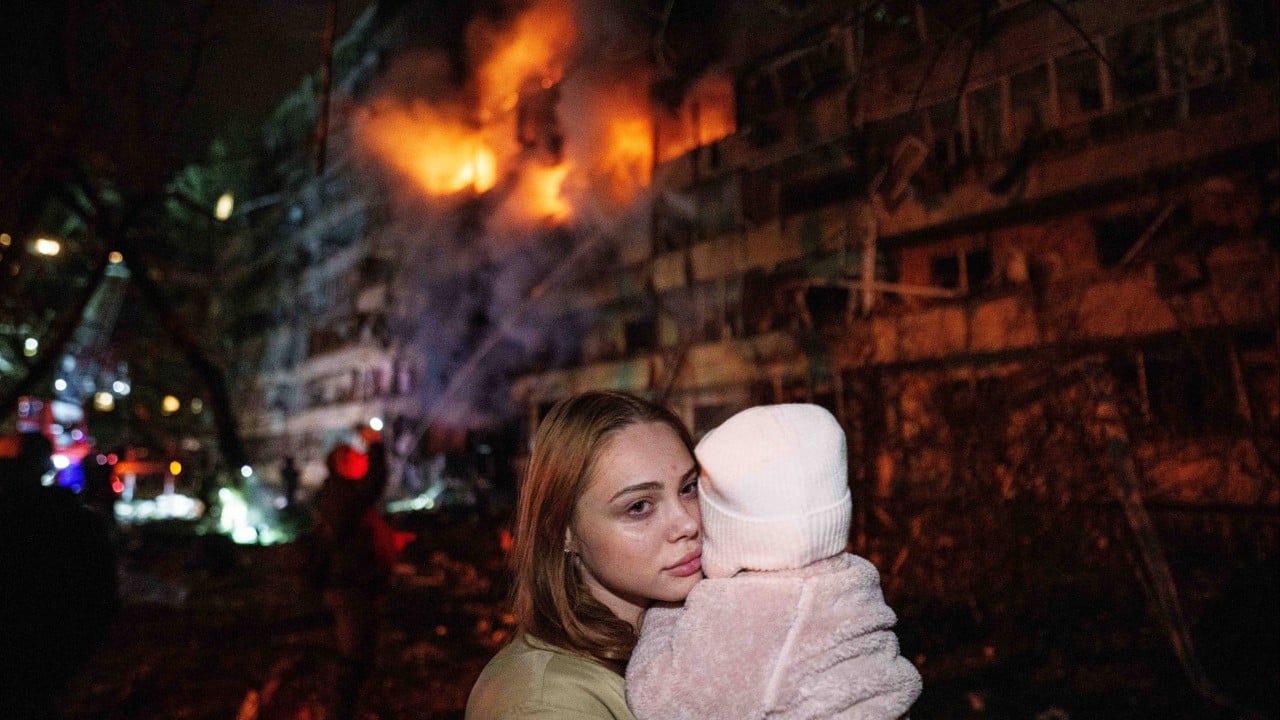
Trump's Sanctions Waiver and Energy Deals Draw Criticism from Congress and Allies
about 5 hours ago · 2 sources
world
Flight from Tel Aviv to Vienna makes emergency landing after bomb threat
about 5 hours ago · 2 sources

world
Trump Accuses Zelenskyy of Prolonging War, Defends Russia Sanctions Relief
about 5 hours ago · 4 sources
PreviousworldSouth Korea and Qatar Discuss Energy Cooperation Amid Global Supply ChallengesNextworldKyiv Monastery Damaged in Major Russian Attacks Amid Rising Casualties
Discussion
Leave a comment