worldCovered by 3 Sources
Former AIADMK Minister C Vijayabaskar Resigns as MLA in Tamil Nadu
June 16, 2026 at 4:55 PM2 min read

AI Summary
C Vijayabaskar, a prominent figure in Tamil Nadu's political landscape and former minister, has resigned from his position as Member of Legislative Assembly (MLA). The resignation marks a significant development within the state’s ruling party structure, drawing attention to the internal dynamics and shifting allegiances among regional politicians. According to reports, Vijayabaskar represented the Viralimalai constituency in the Pudukkottai District. His political career has included holding key portfolios, notably serving as a minister responsible for health services during a previous AIADMK administration. The timing of this resignation adds layers of complexity to the state's ongoing political narrative, particularly given his recent history of making such moves. This development prompts observers to analyze whether the resignations reflect personal ambition, internal party dissent, or broader shifts in the regional power balance within Tamil Nadu. His departure is being closely monitored by political analysts who are tracking the stability and cohesion of major state parties as they navigate electoral cycles and policy challenges.
World View
1 perspectiveIndia's perspective
The reports surrounding C Vijayabaskar’s resignation highlight a period of notable political flux within Tamil Nadu's AIADMK party structure. Sources confirm that Vijayabaskar, who previously held the ministerial portfolio for health services under the former regime, has stepped down from his MLA duties representing Viralimalai in Pudukkottai District. The most striking detail provided by local media is the frequency of these resignations, noting that this marks his fifth such departure within a single month. This pattern suggests a degree of instability or internal disagreement regarding his political standing and future role within the party hierarchy. Furthermore, emphasizing his background as a former minister adds weight to the event, suggesting that his actions are not merely procedural but carry implications for the party's leadership structure. Political observers view this sequence of resignations as symptomatic of deeper factional struggles, where individual politicians may be leveraging their status or seeking better negotiating positions within the volatile state political environment. The repeated nature of these exits compels analysts to look beyond the immediate resignation and assess the underlying causes of dissent among senior party members.
Analysis
The sources provide a clear factual account of Vijayabaskar's resignation, but they differ in emphasis. Hindustan Times focuses on his established credentials as a former minister and his constituency representation, providing necessary background context. Conversely, NDTV introduces the critical element of frequency, noting that this is his fifth resignation within a month. This contrast shifts the narrative from a simple political exit to one suggesting systemic instability or internal conflict within the AIADMK party structure. Geopolitically, these events underscore the highly localized and volatile nature of state politics in India, where individual ministerial departures can signal broader power struggles that affect regional governance and national political stability.
Disclaimer
The summary and perspectives above are AI-generated from the source articles listed below. They may contain errors or omissions. Always verify with the original sources. Beyond the Borders is a news aggregation platform and does not produce original journalism.
How does this story make you feel?
What each source is saying
3 sourcesTheir Angle
The primary focus is on the frequency of the resignation, noting that this marks C Vijayabaskar's fifth departure as an MLA within a single month. This detail suggests significant internal instability within his political circle.
Article Preview
AIADMK MLA C Vijayabaskar
More from world
world
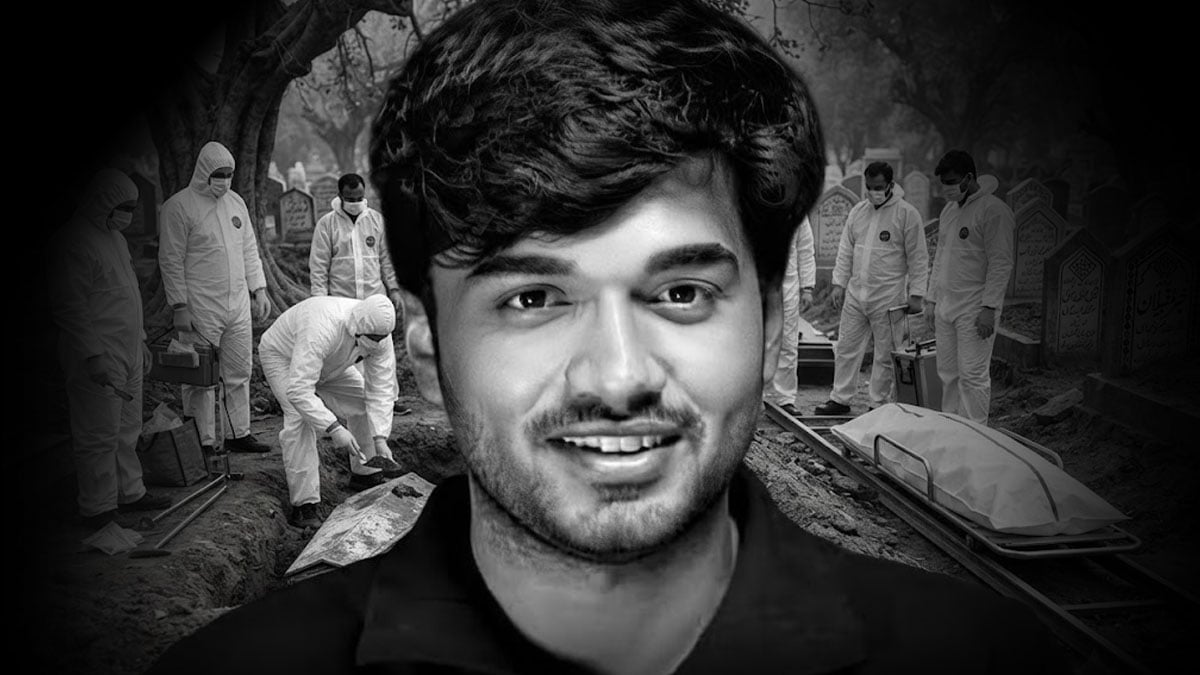
Commission Investigates Mir Raza Ali Death, Recommends Joint Investigation Team
about 9 hours ago · 2 sources
world
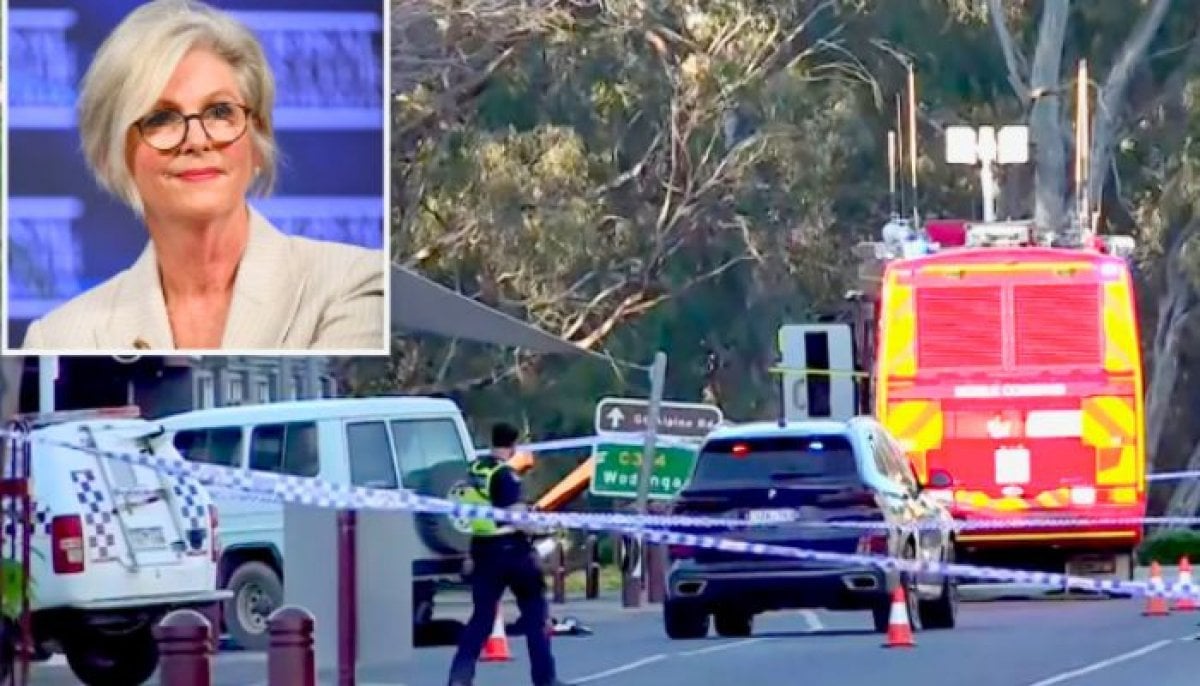
MP Helen Haines attacked in Wangaratta; concerns rise over threats to public figures
about 9 hours ago · 2 sources

world
Trump Calls on Ukraine to Negotiate Peace Deal with Russia
about 9 hours ago · 2 sources
PreviousworldGlobal Gold Market Sees Gains Amid Geopolitical Tensions and Central Bank Reserve StrategiesNextworldTurkey Prepares for Paraguay Match Amid NATO Discussions
Discussion
Leave a comment