politicsCovered by 3 Sources
UK Court Upholds Ban on Palestine Action as Terrorist Group
June 15, 2026 at 2:50 PM2 min read

AI Summary
A UK court has upheld the designation of the pro-Palestinian group Palestine Action as a terrorist organization, ruling that the group's activities do not align with non-violent protest. The Court of Appeal's decision overturned a previous ruling that had found the ban infringed upon free speech rights. The judges stated that the group's primary objective is to cause damage to companies such as Elbit Systems, which are involved in arms manufacturing and trade. This ruling has significant implications for the ongoing debate surrounding free speech and protest rights in the UK, particularly in relation to groups advocating for Palestinian rights. The court's decision has sparked a range of reactions from various stakeholders, including human rights advocates, legal experts, and political figures. The ruling is seen as a pivotal moment in the legal landscape concerning activism and the limits of protest in the UK, raising questions about the balance between national security and civil liberties.
World View
3 perspectivesQatar's perspective
From Qatar's perspective, the ruling against Palestine Action raises serious concerns about the suppression of voices advocating for Palestinian rights. The designation of the group as a terrorist organization is viewed as an attempt to stifle legitimate protest against the actions of companies involved in the Israeli-Palestinian conflict. Critics argue that this decision undermines the principles of free speech and the right to protest, which are essential in democratic societies. The ruling may also have broader implications for international solidarity movements, as it sets a precedent for how governments can respond to activism that challenges the status quo. In the context of the ongoing Israeli-Palestinian conflict, this ruling could deter individuals and organizations from speaking out against perceived injustices, thereby limiting the discourse surrounding human rights and international law. The reaction from the international community will be crucial in determining how this ruling impacts future activism and the global conversation about Palestine.
UK's perspective
In the UK, the ruling has been met with mixed reactions, reflecting the complex nature of the debate surrounding national security and civil liberties. Proponents of the court's decision argue that it is necessary to protect public safety and prevent potential violence associated with the group's actions. They contend that Palestine Action's tactics, which include direct action against companies linked to the arms trade, go beyond peaceful protest and warrant legal scrutiny. This perspective emphasizes the need for a legal framework that can address the challenges posed by activist groups that engage in disruptive behavior. However, opponents of the ruling express concern that it sets a dangerous precedent for the criminalization of dissent. They argue that labeling a group as terrorist for its advocacy work could chill free speech and discourage individuals from participating in legitimate protests. The ruling has sparked a broader conversation about the balance between maintaining public order and upholding democratic freedoms, particularly in the context of contentious political issues.
USA's perspective
The decision by the UK Court of Appeal to uphold the ban on Palestine Action has drawn attention in the United States, where debates about free speech and protest rights are similarly contentious. Many observers view the ruling as a reflection of the increasing challenges faced by activist groups advocating for Palestinian rights, particularly in Western democracies. The New York Times highlights that the court's decision overturned a previous ruling that had emphasized the importance of free speech, raising questions about how far governments can go in regulating dissent. In the U.S., similar tensions exist as activists face legal repercussions for their actions, particularly those related to the Israeli-Palestinian conflict. The ruling may resonate with American activists who are concerned about the potential for government overreach in suppressing political expression. As the U.S. grapples with its own issues surrounding protest rights, the UK ruling serves as a reminder of the delicate balance between national security and the protection of civil liberties, prompting discussions about the future of activism in both countries.
Analysis
The perspectives from Qatar, the UK, and the USA highlight the complex interplay between national security, free speech, and activism. Qatar's viewpoint emphasizes the potential suppression of pro-Palestinian voices, while the UK perspective focuses on the necessity of maintaining public order. The USA's angle reflects concerns about government overreach in regulating dissent. This ruling could have significant implications for how similar groups operate in the future, potentially influencing activism on a global scale. The geopolitical ramifications of this decision may further complicate international relations, particularly regarding the Israeli-Palestinian conflict.
Disclaimer
The summary and perspectives above are AI-generated from the source articles listed below. They may contain errors or omissions. Always verify with the original sources. Beyond the Borders is a news aggregation platform and does not produce original journalism.
How does this story make you feel?
What each source is saying
3 sourcesTheir Angle
Al Jazeera reports that the UK court's ruling deemed the behavior of Palestine Action as inconsistent with non-violent protest, raising concerns about free speech.
Article Preview
Judge says the group's behaviour was not that of a non-violent, direct action organisation.
More from politics
politics
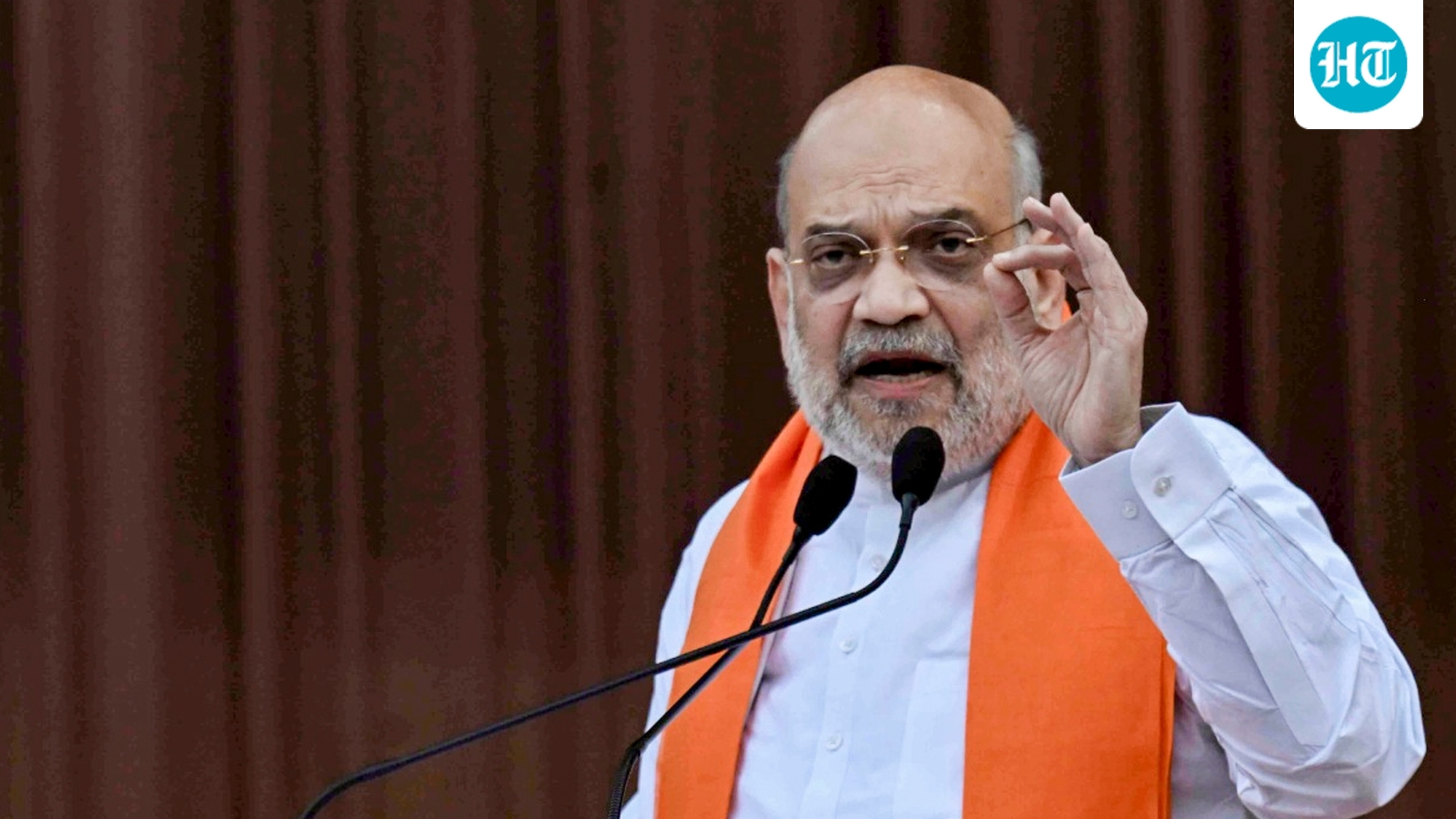
Amit Shah Calls for CBI Probe into Punjab Drug Deaths, Targets AAP Government
about 5 hours ago · 2 sources
politics
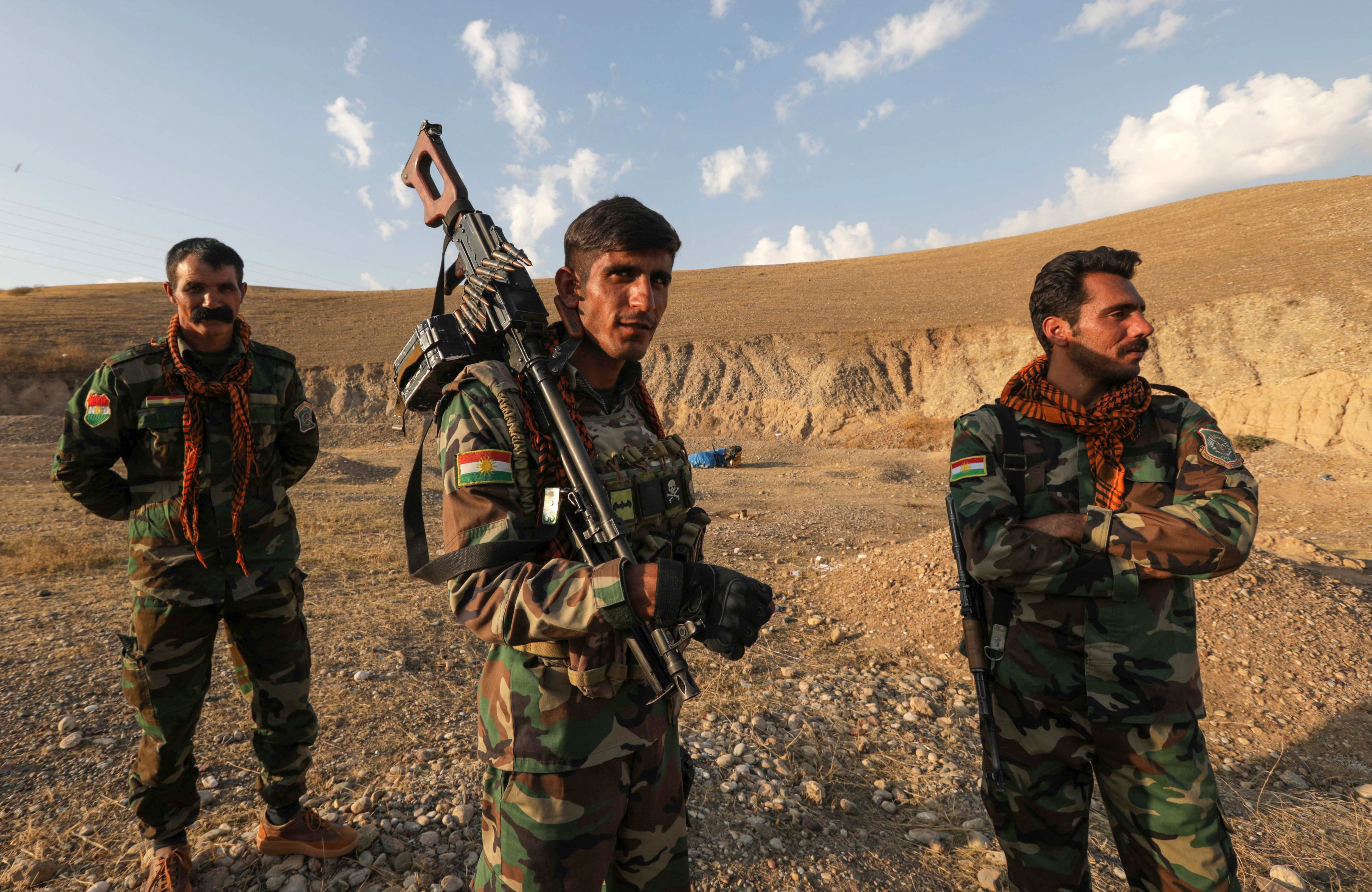
Iran says Iraq has agreed to expel Iranian Kurdish opposition groups from Kurdistan region
about 17 hours ago · 2 sources
politics
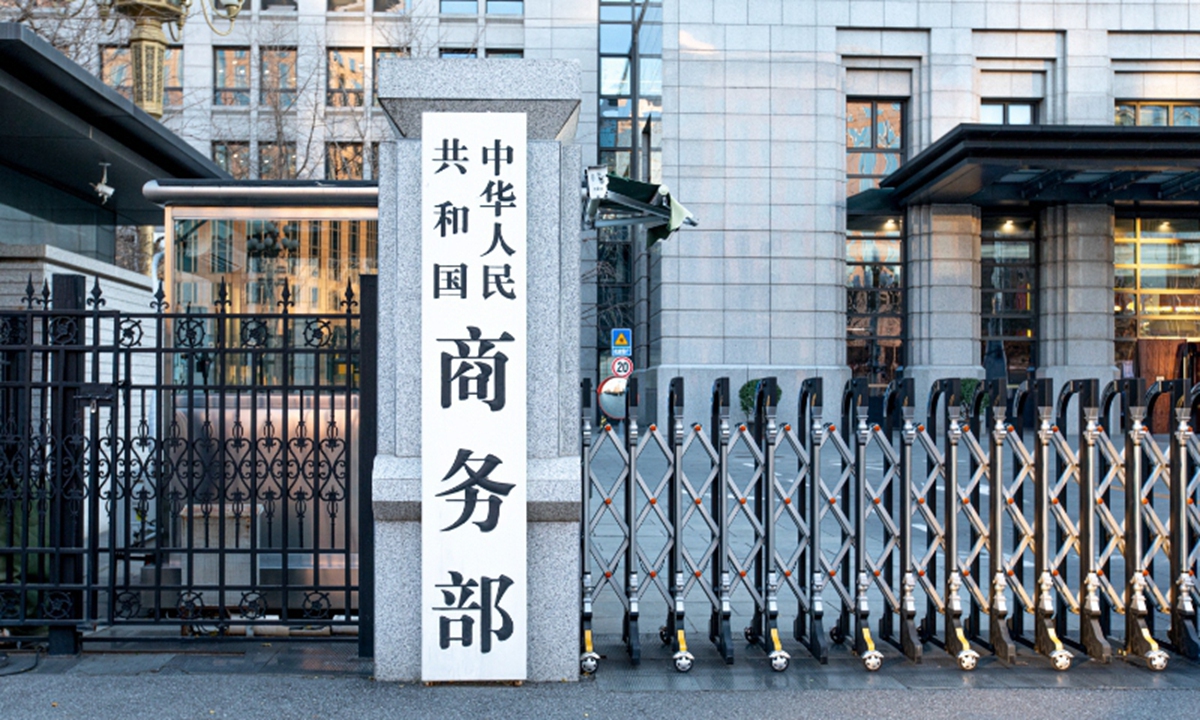
China Objects to US Ban on DeepSeek AI Products in Government Systems
about 17 hours ago · 2 sources
PrevioussportsIvory Coast Secures First World Cup Victory Since 2014NextpoliticsLive updates: Trump touts Iran deal, as G7 leaders focus on Mideast, Ukraine wars
Discussion
Leave a comment