Gaza, Iran, Mali: The dangers of the world's rapidly shrinking media access
June 05, 2026 at 11:46 AM1 min read

AI Summary
Several global hotspots are locked down by those in power, who, eager to impose their own narrative, keep journalists from witnessing events as they unfold. This censorship is a boon for propagandists.
Country Perspectives
1 countrySeveral global hotspots are locked down by those in power, who, eager to impose their own narrative, keep journalists from witnessing events as they unfold. This censorship is a boon for propagandists. [Source: Le Monde (English), 31 May 2026]
Analysis
The situation in Gaza, Iran, Mali is highly sensitive and requires immediate attention. The blockade of the port city of Rafah has been a major source of concern for international observers. The ongoing conflict in Yemen further complicates the situation, with humanitarian concerns and political instability impacting access to essential services. The potential impact on the global media landscape is significant, as it could lead to a decline in public trust and potentially undermine efforts to address the crisis.
Disclaimer
The summary and perspectives above are AI-generated from the source articles listed below. They may contain errors or omissions. Always verify with the original sources. NewsPro is a news aggregation platform and does not produce original journalism.
How does this story make you feel?
What each source is saying
Their Angle
Several global hotspots are locked down by those in power, who, eager to impose their own narrative, keep journalists from witnessing events as they unfold. This censorship is a boon for propagandists.
Full Article
Iran, Gaza, Russia, Venezuela, Mali: Rarely sources of good news, these countries and regions have dominated headlines in recent months, and some have been at the center of global news for years. Yet a paradox, often overlooked by the public, is that access for a free and independent press in these key areas is largely obstructed, with authorities determined to control the story they present to the world. In this regard, Iran set a grim record: Communications, including internet and telephone, were cut off or severely restricted by the government from February 28 to May 26, when they were partially restored. As the Islamic Republic found itself at the heart of the global chaos sparked by the war launched by Israel and the US three months earlier, information about bombings, casualties, military damage and power struggles trickled out only gradually. A similar blackout had hidden from the world the unprecedented protests and crackdown (with several thousand, possibly tens of thousands, killed) that rocked the country in December and January. Of course, Iran has never been a model of transparency and censorship is regularly enforced. But this unprecedented information lockdown left much of the population cut off from the outside world, with journalists at the mercy of intermittent connections. Elsewhere in the Middle East, Israel has also enforced a level of censorship unprecedented in its history: The government has barred international media from entering the Gaza Strip for more than two years and eight months, since the start of the war of annihilation launched in retaliation for the Hamas terrorist attack on October 7, 2023. And, in a grim reinforcement of this strategy of erasure, the Israeli army has, during the same period, killed some 220 Palestinian journalists, who had become the world's eyes and ears on the ground, according to Reporters Without Borders. Other global hotspots are equally locked down by those in power. At the height of a crisis that could alter the country's fate and reshape regional geopolitics, journalists were barred from entering, and some were even detained, in Venezuela, following the abduction of President Nicolas Maduro by the US in early January. You have 56.26% of this article left to read. The rest is for subscribers only.
More from middle-east
middle-east
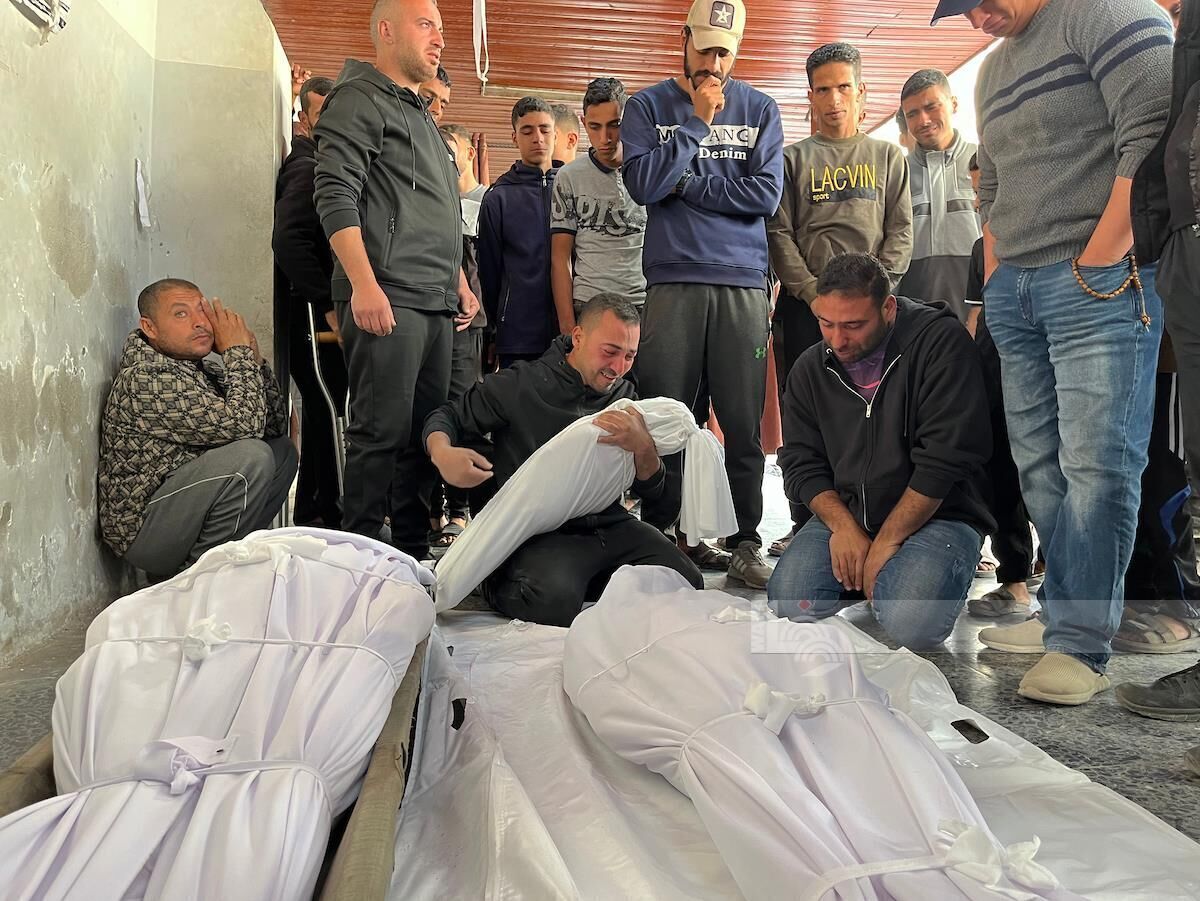
Gaza death toll reaches to 72,938
about 5 hours ago · 1 sources
middle-east
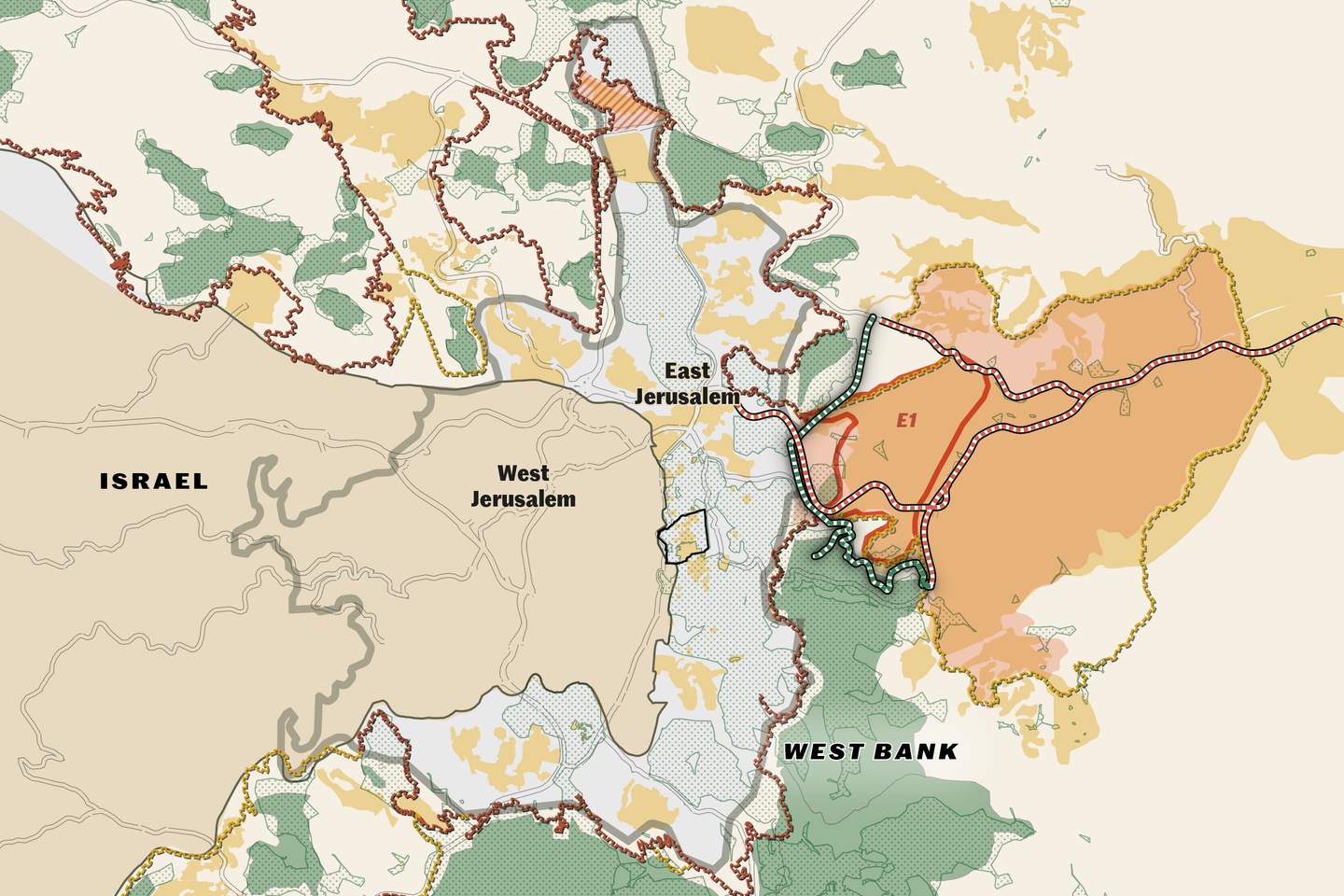
Lior Amihai, director of Israeli NGO Peace Now: 'The coalition in power wants to annex the territories in the West Bank and establish a racist state based on Jewish supremacy'
about 5 hours ago · 1 sources
middle-east
Palestinian protesters clash with Israeli soldiers after protest against Pence visit
about 5 hours ago · 1 sources
PrevioustechnologySan Antonio Spurs overpower Oklahoma City Thunder to advance to NBA FinalsNextconflictRio's Forever War
Discussion
Leave a comment